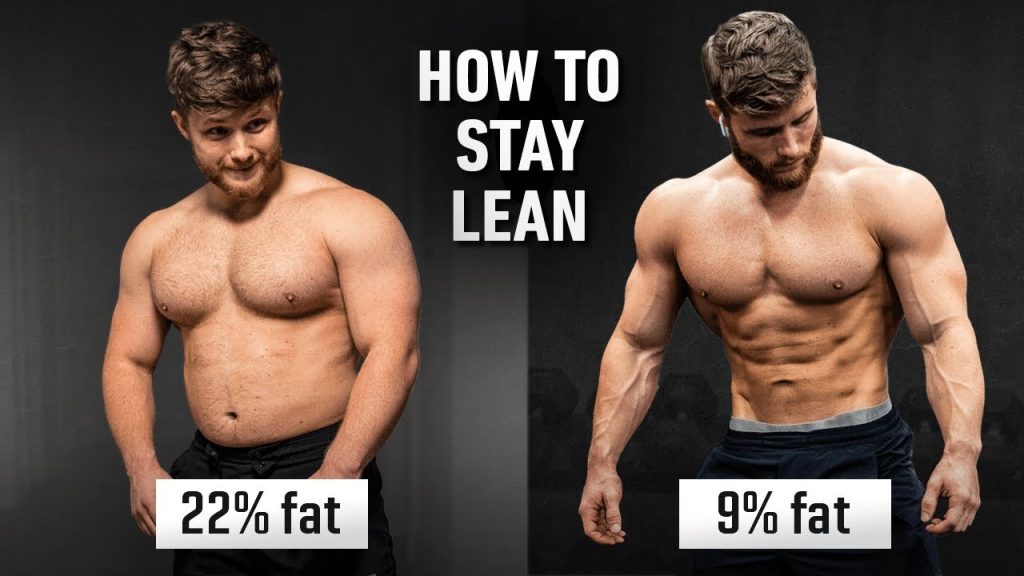
Video by Jeff Nippard on YouTube
When semaglutide hit the mainstream, it looked like medicine had finally found a shortcut around one of biology’s most stubborn problems. And in many ways, the data backs that up. Clinical trials showed average body weight reductions of 15–17% over roughly 68 weeks — numbers that had previously required bariatric surgery to achieve. But here’s what the headlines missed: the men who get the most out of GLP-1 medications are the ones who treat the drug as a catalyst, not a complete solution. The World Health Organization made this explicit in their 2026 guidelines, formally recommending that GLP-1 therapies be combined with intensive behavioral therapy to maximize and sustain benefits — a conditional recommendation that acknowledges medication alone simply isn’t enough.
If you’re on semaglutide, tirzepatide, or any other incretin-mimetic drug and you’re wondering why your results feel like they’re plateauing — or why you want to make every week on this medication count — this guide is for you. What follows is a breakdown of the specific, research-supported strategies that separate men who transform their bodies on GLP-1s from those who just lose weight temporarily and bounce back.
Protein and Resistance Training Are Not Optional
The most important thing to understand about GLP-1 medications is that they work by suppressing appetite aggressively. You eat less. Substantially less. And while that’s the mechanism that drives fat loss, it also creates a serious physiological risk that most prescribing physicians don’t spend nearly enough time discussing: muscle loss.
A 2025 review published in Obesity Reviews by Mechanick, Butsch, and colleagues delivered a stark finding: clinical trial participants receiving incretin-mimetic drugs lost 10% or more of their muscle mass during 68- to 72-week interventions — roughly equivalent to 20 years of age-related muscle loss. Read that again. Twenty years of muscle aging, compressed into about 16 months. For a man in his 40s or 50s who’s already fighting the natural decline in lean mass that comes with age, this isn’t a side note. It’s a central concern that should shape every decision you make while on these medications.
A 2026 narrative review in Acta Diabetologica reinforced this picture, confirming that weight reduction with GLP-1 receptor agonists is consistently accompanied by a decrease in lean body mass, worsening insulin resistance over the long term and accelerating cardiometabolic decline in patients already predisposed to sarcopenia. In other words, losing muscle on a GLP-1 doesn’t just make you look worse — it can actively undermine the metabolic improvements the drug is supposed to provide.
The solution is straightforward, though not easy: resistance training and high protein intake need to become non-negotiable pillars of your protocol. The Mechanick review is direct about this — concurrent physical activity, especially resistance training, has been shown to effectively minimize loss of muscle mass and function during weight reduction therapy. Aim for at least three resistance training sessions per week, prioritizing compound movements like squats, deadlifts, rows, and presses that recruit large amounts of muscle tissue and stimulate the mechanical tension needed to signal muscle protein synthesis.
On the nutrition side, the same body of research recommends ensuring adequate intake of high-quality protein — and given how dramatically GLP-1 medications reduce overall food volume, this often requires intentional effort and sometimes supplementation. A general evidence-based target for men in a caloric deficit is 0.7 to 1.0 grams of protein per pound of body weight daily. If you’re eating significantly less food than you used to, hitting that number requires prioritizing protein at every meal rather than letting carbohydrates and fats fill the limited appetite window you have. Whey protein, Greek yogurt, eggs, lean meats, and cottage cheese are efficient, high-quality options. If appetite suppression is severe, a protein shake between meals can bridge the gap without requiring significant stomach volume.
Micronutrient intake is another area where GLP-1 users commonly fall short. Eating far less food means consuming far fewer vitamins and minerals. The Mechanick review specifically flags this risk and recommends oral nutritional supplements to compensate. A comprehensive multivitamin, omega-3 fatty acids, vitamin D, and magnesium represent a reasonable baseline. If you’re experiencing significant fatigue or weakness during your GLP-1 therapy, inadequate micronutrition is one of the first places to investigate.
How You Eat Matters as Much as How Little You Eat
GLP-1 medications do the heavy lifting of appetite suppression, but they don’t control food quality. This distinction matters enormously for both total weight loss and body composition outcomes. When your daily caloric intake drops to 1,200–1,600 calories — which is common on medications like semaglutide — the nutritional density of every single food choice carries disproportionate weight. You simply don’t have the caloric room to waste meals on ultra-processed foods that deliver calories without meaningful nutrition.
The practical approach here is to structure eating around what researchers call protein-first eating — beginning each meal with your protein source before adding anything else. This takes advantage of the reduced appetite window created by GLP-1 medications and ensures that even if you can only finish half your plate, you’ve secured the macronutrient most critical for muscle preservation. After protein, vegetables and fiber-rich carbohydrates fill the remaining space, supporting gut health, satiety, and micronutrient coverage.
Meal timing is worth considering as well. While the research on intermittent fasting as a standalone intervention is mixed, there’s reasonable evidence that consolidating meals into a defined eating window — say, noon to 8 p.m. — can complement the natural appetite suppression of GLP-1 medications and make it easier to hit protein targets without grazing throughout the day. The key is that any meal timing structure you adopt should support, not compete with, your protein intake goals.
One of the most counterproductive patterns seen in GLP-1 users is eating too little, particularly too little protein, to the point where the body accelerates muscle breakdown for fuel. The medication suppresses hunger so effectively that some men end up eating 800–900 calories per day without any conscious restriction — and while the scale moves quickly in the short term, the composition of that weight loss skews heavily toward muscle. This produces what clinicians sometimes call “skinny fat” — a lower body weight but a worse metabolic profile than before. Monitoring your protein intake actively, even if you have to set reminders to eat, is one of the highest-leverage behaviors you can adopt on a GLP-1 protocol.
Hydration also deserves mention. GLP-1 medications slow gastric emptying, which can sometimes be confused with adequate fluid intake when it’s simply a full feeling. Many men on these medications are chronically under-hydrated because they misread nausea or fullness as not needing water. Aim for at least 80–100 ounces of water daily, more if you’re training regularly, and consider electrolyte support if you’re in a significant deficit or sweating heavily during exercise.
Understanding What GLP-1 Medications Actually Do — and Don’t Do — for Long-Term Health
To truly maximize your results on a GLP-1, it helps to understand the full scope of what these medications are doing in your body, because the benefits extend well beyond what the bathroom scale shows. Semaglutide in particular has demonstrated remarkable cardiovascular and metabolic effects in major clinical trials. The SUSTAIN-6 trial demonstrated a 26% reduction in major adverse cardiovascular events, and real-world data continues to support the finding that semaglutide reduces inflammation, improves liver health, slows chronic kidney disease progression, and lowers hospitalization rates for heart failure in patients with obesity.
Understanding this helps reframe how you think about your protocol. The goal isn’t just to lose weight by a certain date — it’s to use the medication window to build the lifestyle infrastructure that supports long-term metabolic health. A 2024 cohort study published in JAMA Network Open comparing bariatric surgery to GLP-1 receptor agonists found something instructive: among patients with shorter diabetes duration, bariatric surgery was associated with lower mortality than GLP-1 therapy, but this difference was largely mediated by greater weight loss. When researchers controlled for the amount of weight lost, the survival advantage of surgery over medication became statistically insignificant. The mechanism of action mattered less than the magnitude of the weight loss itself. That finding reinforces a critical principle: the more weight you lose on a GLP-1 — and the more of that weight comes from fat rather than muscle — the greater your long-term health benefit.
This is also why the WHO’s 2026 guideline framing is so important. The WHO explicitly recognizes obesity as a chronic, relapsing disease requiring lifelong care and emphasizes that GLP-1 therapies should be embedded within integrated, person-centered approaches that combine behavioral, medical, and lifestyle interventions. This isn’t bureaucratic language — it’s a recognition that the physiological drivers of obesity don’t disappear when you’re on a medication. Stress, sleep deprivation, sedentary behavior, and poor dietary patterns all continue to exert their influence. The medication gives you a powerful biological assist, but it doesn’t neutralize those forces entirely.
Sleep is one of the most overlooked amplifiers of GLP-1 effectiveness. Poor sleep elevates cortisol, increases ghrelin (the hunger hormone), and impairs insulin sensitivity — all of which work against both the medication’s mechanisms and your body composition goals. Men who are sleeping fewer than seven hours per night are fighting an uphill battle regardless of what’s in their weekly injection. Prioritizing sleep quality through consistent sleep and wake times, a cool dark room, and limiting alcohol (which fragments sleep architecture significantly) can meaningfully improve how well your body responds to caloric restriction and resistance training.
Stress management follows the same logic. Chronic psychological stress chronically elevates cortisol, which promotes visceral fat accumulation and muscle breakdown — directly counteracting what a GLP-1 medication is trying to accomplish. Practical stress reduction strategies — structured breathing, walking in nature, progressive reduction in workload where possible — aren’t soft wellness suggestions. They’re physiologically relevant interventions for any man trying to lose fat and preserve lean mass.
One practical consideration that men on GLP-1 medications often underestimate is the importance of tracking — not obsessively, but with enough regularity to catch problems early. Tracking body weight alone is insufficient because it doesn’t distinguish between fat and muscle changes. Using DEXA scans (available at many sports medicine and imaging centers), InBody assessments, or even consistent tape measurements of waist circumference alongside thigh and upper arm circumference gives you a more complete picture of whether you’re losing fat, muscle, or both. If you see waist circumference dropping while arm and thigh measurements hold steady, you’re preserving muscle while losing fat — the ideal outcome. If all measurements are declining equally, it’s a signal to increase protein and resistance training intensity.
The Takeaway
GLP-1 medications are among the most powerful tools ever developed for obesity treatment — that’s not hyperbole, it’s what the data shows. But the men who get exceptional, lasting results are the ones who understand that the medication changes the conditions for success without guaranteeing it. It suppresses your appetite and improves your metabolic signaling. What you do within that window — how you train, what you eat, how you sleep, how you manage stress — determines whether you end up leaner and metabolically healthier, or simply lighter with less muscle and a weight regain trajectory waiting on the other side.
The research is remarkably consistent: prioritize protein aggressively, resistance train at minimum three times per week, monitor body composition rather than just body weight, optimize sleep and stress, and think of this medication as the beginning of a lifestyle overhaul rather than a temporary fix. The WHO put it plainly — medication alone cannot solve this problem. But for the men willing to bring genuine effort to the behavioral side of the equation, GLP-1 therapy combined with smart nutrition and training is genuinely transformative.
Scientific References
-
Celletti, Farrar, De Regil et al. (2026).
World Health Organization Guideline on the Use and Indications of Glucagon-Like Peptide-1 Therapies for the Treatment of Obesity in Adults..
JAMA.
View on PubMed → -
Mechanick, Butsch, Christensen et al. (2025).
Strategies for minimizing muscle loss during use of incretin-mimetic drugs for treatment of obesity..
Obesity reviews : an official journal of the International Association for the Study of Obesity.
View on PubMed → -
Rossi, Bucciarelli, Mananguite et al. (2026).
Muscle loss and GLP-1R agonists use..
Acta diabetologica.
View on PubMed → -
MacIsaac et al. (2025).
Semaglutide: a key medication for managing cardiovascular-kidney-metabolic syndrome..
Future cardiology.
View on PubMed → -
Dicker, Sagy, Ramot et al. (2024).
Bariatric Metabolic Surgery vs Glucagon-Like Peptide-1 Receptor Agonists and Mortality..
JAMA network open.
View on PubMed →