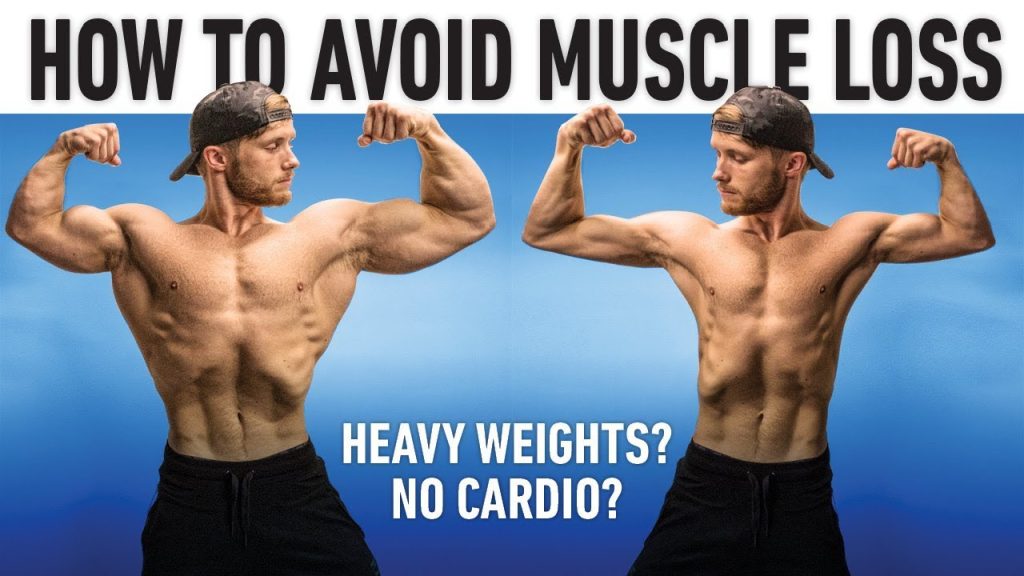
Video by Jeff Nippard on YouTube
Here is a number worth sitting with: research published in Diabetes Care found that GLP-1 receptor agonists like semaglutide and tirzepatide cause an average loss of roughly 6 kilograms of lean mass — muscle, organ tissue, and structural protein — during the weight loss process. That is comparable, the authors note, to more than a decade of aging-related muscle loss compressed into months. For men who are already fighting the slow metabolic erosion that comes with getting older, this is not a minor side effect. It is a critical flaw in an otherwise powerful tool — and resistance training is the primary antidote.
GLP-1 medications have legitimately transformed obesity medicine. A 2025 joint advisory from the American College of Lifestyle Medicine, the American Society for Nutrition, the Obesity Medicine Association, and The Obesity Society confirms that these agents reduce body weight by 5 to 18 percent in clinical trials, with meaningful improvements in blood pressure, blood glucose, and cardiovascular risk markers. But the same advisory flags muscle and bone loss as a central challenge — one that nutritional and lifestyle strategies, particularly resistance training, are uniquely positioned to address.
The Muscle Loss Problem Is Real — and Underappreciated
When most men think about losing weight on a GLP-1, they picture fat melting away. The reality is more complicated. Research in the Journal of the Endocrine Society by Tinsley and Heymsfield explains that during any significant caloric deficit, fat-free mass loss is partly obligatory — as fat stores shrink, the body requires less structural tissue to support them, and some lean mass reduction follows. This is true whether you are on semaglutide or just aggressively cutting calories. The distinction with GLP-1 therapy is the speed and magnitude: rapid, drug-accelerated weight loss amplifies lean mass losses in ways that slower, lifestyle-driven deficits typically do not.
Skeletal muscle is the metabolic engine of the male body. It governs insulin sensitivity, basal metabolic rate, long-term weight maintenance, and functional capacity as you age. Losing significant amounts of it during a GLP-1 cycle does not just undermine aesthetics — it erodes the very metabolic machinery that prevents weight regain once the medication stops. The Diabetes Care review makes the case plainly: retaining lean mass during incretin therapy could directly blunt the fat and body weight rebound that plagues many patients after discontinuation.
What the Research Says About Resistance Training as a Countermeasure
The evidence here is straightforward and encouraging. The same Diabetes Care analysis found that supervised resistance training programs lasting more than ten weeks produce average lean mass gains of approximately 3 kilograms and strength improvements of around 25 percent in both men and women. In the context of GLP-1 therapy, that means a well-designed lifting program can functionally offset a meaningful portion of drug-induced lean mass loss — shifting the body composition outcome from “smaller but flabbier” toward leaner and stronger.
A 2026 consensus statement from the European Association for the Study of Obesity echoes this, recommending progressive resistance exercise alongside adequate protein intake as the primary strategy for preserving fat-free mass and physical function during incretin-based therapy. The emphasis on progressive is important — this means systematically increasing load or volume over time, not just going through the motions with light weights. The anabolic stimulus has to be sufficient to signal muscle retention in an environment where the body is aggressively losing mass.
Practically, this translates to prioritizing compound, multi-joint movements — squats, deadlifts, rows, presses — performed three to four days per week with progressive overload as the guiding principle. Protein intake should sit at a minimum of 1.6 grams per kilogram of body weight daily, and ideally closer to 2.0 to 2.2 grams per kilogram during active weight loss phases. The joint clinical advisory specifically calls out resistance training and appropriate dietary protein as the front-line defense against muscle and bone loss during GLP-1 treatment — not a supplemental afterthought, but a clinical priority.
The Takeaway
GLP-1 medications are a legitimate and powerful tool for fat loss, but they are not a complete solution on their own. The science is clear: without deliberate resistance training and sufficient protein, a significant portion of the weight lost on these medications comes at the expense of muscle — the tissue you most need to keep. Whether you are on semaglutide, tirzepatide, or simply in an aggressive caloric deficit, the prescription is the same. Lift heavy, eat enough protein, and protect your muscle mass like it is the most valuable asset in your metabolic portfolio — because it is.
Scientific References
-
Mozaffarian, Agarwal, Aggarwal et al. (2025).
Nutritional priorities to support GLP-1 therapy for obesity: A joint Advisory from the American College of Lifestyle Medicine, the American Society for Nutrition, the Obesity Medicine Association, and The Obesity Society..
Obesity (Silver Spring, Md.).
View on PubMed → -
Locatelli, Costa, Haynes et al. (2024).
Incretin-Based Weight Loss Pharmacotherapy: Can Resistance Exercise Optimize Changes in Body Composition?.
Diabetes care.
View on PubMed → -
Dobbie, Tolvanen, Alves et al. (2026).
Nutritional, functional, and psychological considerations for incretin-based therapies in adults-an EASO, EFAD, and ECPO Consensus Statement..
The lancet. Diabetes & endocrinology.
View on PubMed → -
Mozaffarian, Agarwal, Aggarwal et al. (2025).
Nutritional priorities to support GLP-1 therapy for obesity: a joint Advisory from the American College of Lifestyle Medicine, the American Society for Nutrition, the Obesity Medicine Association, and The Obesity Society..
The American journal of clinical nutrition.
View on PubMed → -
Tinsley, Heymsfield et al. (2024).
Fundamental Body Composition Principles Provide Context for Fat-Free and Skeletal Muscle Loss With GLP-1 RA Treatments..
Journal of the Endocrine Society.
View on PubMed →