Introduction: Why GLP-1 Users Need CGM Data
If you’re using GLP-1 medications like semaglutide or tirzepatide for weight loss and metabolic health, you’re already controlling one critical variable: appetite and food intake. But here’s what most users miss: knowing your real-time glucose response is the difference between fat loss and muscle loss, between sustainable results and rebound weight gain.
Research by Kovatchev et al. (2019) in the Journal of Diabetes Science and Technology demonstrates that glycemic variability—the fluctuations in your blood glucose levels—is a critical risk factor for metabolic dysfunction and a marker of overall metabolic system instability. When you’re on a GLP-1 medication and in a caloric deficit for fat loss, understanding your glucose patterns becomes essential intelligence for preserving lean muscle mass and optimizing your metabolic rate.
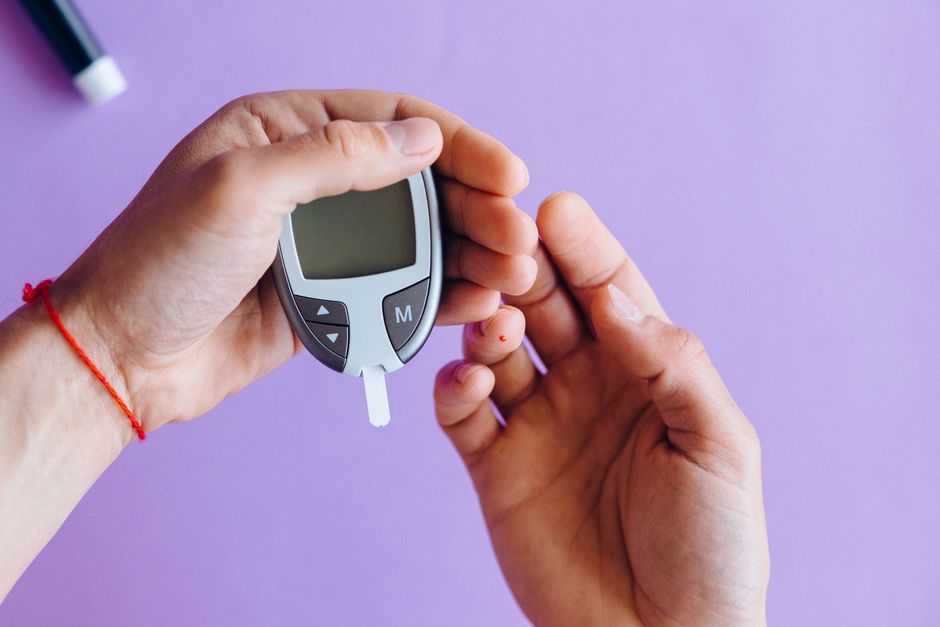
Continuous glucose monitors (CGMs) paired with GLP-1 therapy provide real-time metabolic feedback that transforms guesswork into precision. This guide covers the science, practical protocols, and actionable strategies for using CGM data to maximize your GLP-1 results.
Understanding Glycemic Variability on GLP-1 Therapy
What Is Glycemic Variability and Why It Matters
Glycemic variability (GV) represents the up-and-down swings in blood glucose throughout the day, not just average glucose levels. Most people focus only on fasting glucose or HbA1c (3-month average), but they miss the dynamic instability happening in real-time.
Here’s why this matters for GLP-1 users specifically:
- Muscle preservation: High glucose variability triggers inflammatory responses and cortisol elevation, both of which accelerate muscle breakdown during a caloric deficit. Stable glucose = better nitrogen retention and lean mass preservation.
- Energy stability: Wild glucose swings = energy crashes, food cravings, and reduced training performance. GLP-1 reduces appetite, but if your glucose is unstable, you’ll still feel fatigued.
- Insulin sensitivity: Consistent glycemic control improves insulin receptor function, meaning your cells respond better to the insulin GLP-1 medications help regulate.
- Metabolic adaptation: Excessive glucose variability suppresses thyroid hormone and increases metabolic downregulation—exactly what you want to avoid in a fat-loss phase.
How GLP-1 Medications Affect Your Glucose Pattern
GLP-1 agonists slow gastric emptying and improve insulin secretion, which naturally creates more stable glucose patterns. However, this doesn’t mean your glucose becomes perfect automatically. Your food choices, meal timing, macronutrient ratios, and training intensity all still heavily influence your glucose variability.
A CGM reveals exactly which foods, meal sizes, and timing protocols work for YOUR metabolism—not a generic recommendation.
CGM Protocols for GLP-1 Users: Practical Implementation
Choosing the Right CGM Device
For GLP-1 users focused on metabolic optimization (not diabetes management), the most accessible options are:
- Freestyle Libre 2: 14-day wear, ~$100 per sensor (some insurance covers), accurate for non-diabetic metabolic tracking
- Dexcom G7: 10-day wear, ~$300/month (insurance typically covers for diabetics, but out-of-pocket exists for non-diabetics), real-time alerts
- Oura Ring + Continuous Metabolic Tracking: Non-invasive wearable with glucose insights via smartphone integration
Recommended Duration for Baseline Assessment
We recommend a minimum of 14-30 days of continuous CGM data to establish your true glucose patterns. Here’s why:
- Days 1-3: Novelty effect—you may eat differently knowing you’re being tracked
- Days 4-14: Your true baseline emerges—you see what normal eating patterns produce
- Days 15-30: Metabolic adaptation—if you’ve adjusted GLP-1 dose or changed training, new patterns appear
If you’re in the early weeks of GLP-1 therapy, wait until your appetite stabilization plateaus (typically 3-4 weeks) before starting CGM tracking. The results are more meaningful when your eating behavior is consistent.
Key Metrics to Track from Your CGM
- Time in Range (TIR): The percentage of the day your glucose stays in your optimal range. For GLP-1 users on a fat-loss protocol, aim for 70-90% of your glucose between 80-140 mg/dL. This range supports stable energy and muscle preservation without excessive insulin suppression.
- Average Glucose: Your mean daily glucose. Aim for 100-120 mg/dL while on GLP-1 therapy and in a caloric deficit.
- Glucose Variability Score: Most CGM apps calculate a “coefficient of variation” (CV). Lower is better. Aim for CV <30% (some systems call this the "stability score").
- Post-Meal Glucose Excursions: How high your glucose spikes 60-120 minutes after eating. Ideally, no more than 30-40 mg/dL rise from baseline. Large spikes suggest inadequate fiber, protein, or portion control.
Optimizing Nutrition and Training Based on CGM Data
Meal Composition Adjustments from CGM Feedback
Your CGM reveals individual metabolic responses that population studies can’t predict. Here’s how to use that data:
- Carbohydrate quality matters more than quantity: If white rice spikes your glucose to 160+ mg/dL but sweet potato or oats keeps you at 120 mg/dL (for the same carb amount), your glucose stability just told you to prioritize the latter. This is individual metabolic truth.
- Protein and fat timing: Consuming protein and fat 10-15 minutes before carbohydrates significantly blunts glucose response. Your CGM confirms whether this “food order” effect works for your metabolism.
- Meal size precision: GLP-1 suppresses appetite, so you might think portion size doesn’t matter. But CGM data shows that 200g vs. 300g of carbs in a meal creates dramatically different glucose curves. Smaller, frequent meals often produce more stable glucose than fewer large meals, even on GLP-1.
- Fiber validation: Soluble fiber (10-15g per meal) should reduce your glucose spike by 15-25 mg/dL. If it doesn’t, your fiber source may be ineffective for your microbiome, or you need more time for adaptation.
Training Timing and Glucose Stability
Here’s what CGM data reveals about exercise timing for GLP-1 users:
- Pre-workout glucose status: Aim to start resistance training with glucose at 100-130 mg/dL. Lower than 80 mg/dL on GLP-1 risks excessive muscle protein breakdown; higher than 150 mg/dL suggests suboptimal training stimulus due to blunted metabolic stress.
- Post-workout glucose response: After resistance training, a 20-30 mg/dL glucose rise is normal and healthy—this is your body mobilizing glucose for recovery. CGM data that shows glucose dropping after training suggests inadequate training stimulus or potential muscle catabolism.
- Fasted cardio consideration: Many users attempt fasted cardio on GLP-1 for fat loss. CGM data often reveals glucose dropping below 70 mg/dL during extended fasted sessions. This triggers cortisol and accelerates muscle loss. The solution: small carb + protein snack (15-20g carbs + 10g protein) 30 min before fasted cardio to maintain glucose stability.
Nutritional Strategy for Muscle Preservation on GLP-1
Low appetite from GLP-1 is powerful for fat loss but dangerous for lean mass. CGM data shows that stable glucose supports better protein synthesis:
- Protein intake: Aim for 0.8-1.0g per pound of bodyweight daily, consumed in 4-5 meals of 30-40g each. CGM data shows that spreading protein evenly (vs. loading it in one meal) produces more stable glucose and supports superior muscle retention.
- Carb cycling around training: Use CGM data to identify your lowest-variability carb amounts. On high-intensity training days, increase carbs slightly while keeping glucose stable. On low-activity days, reduce carbs while maintaining the same 80-140 mg/dL range. This preserves muscle while optimizing fat loss.
- Micronutrient absorption: Stable glucose improves nutrient absorption. If your CGM shows high variability, even adequate micronutrient intake won’t be fully utilized. Prioritize glucose stability, then focus on micronutrients.
Common GLP-1 + CGM Questions Answered
“Will CGM show that I don’t actually need GLP-1?”
Not necessarily. Research on glycemic variability shows that even people with normal average glucose levels can have significant glucose instability, which impairs metabolic health. CGM data may show you have stable glucose at maintenance calories but high variability in a deficit—GLP-1 helps you maintain stability while losing fat.
“Is continuous CGM necessary, or can I just check fasting glucose?”
Fasting glucose is one data point. Kovatchev’s research emphasizes that glycemic variability and dynamic glucose patterns are independent risk factors from average glucose. A person can have normal fasting glucose (90 mg/dL) but experience wild swings to 180+ mg/dL throughout the day. Continuous monitoring reveals the true picture.
“How often should I use a CGM if I’m already losing fat consistently on GLP-1?”
Protocol recommendation:
- First 30 days on GLP-1: Continuous CGM to establish baseline and optimize nutrition
- Months 2-3: One 14-day CGM period per month to confirm stable patterns
- Months 4+: One 14-day period every 3 months, or whenever you change training intensity, add stress, or plateau
- If muscle loss occurs: Return to continuous tracking immediately—this indicates your glucose variability is too high for your caloric deficit
“Should I adjust my GLP-1 dose based on CGM data?”
Never adjust GLP-1 dose based on CGM data alone. Dosing is determined by therapeutic efficacy (appetite control, weight loss) and tolerability (side effects). However, if CGM shows that you consistently run high glucose spikes on your current dose, discuss with your prescriber whether a dose increase is appropriate. Conversely, if CGM shows perfect glucose control with significant appetite suppression and weight loss, your current dose is optimized.
Bottom Line: CGM as Your Metabolic Feedback System
Continuous glucose monitoring transforms GLP-1 therapy from a blunt appetite-suppression tool into a precision metabolic optimization protocol. Understanding and minimizing glycemic variability is scientifically validated as essential to metabolic health, and CGM data gives you individual, real-time feedback on what actually works for your body.
For GLP-1 users pursuing body recomposition—fat loss with muscle preservation—CGM data answers critical questions:
- Are my carb choices supporting stable glucose and muscle retention?
- Is my training timing optimized for my glucose patterns?
- Am I in a safe caloric deficit for muscle preservation?
- Which meals create excessive glucose variability?
The answer to each question changes how you structure your nutrition, training, and GLP-1 protocol for maximum results.
Ready to take your GLP-1 optimization to the next level? Explore our complete guides on GLP-1 dosing protocols, muscle preservation strategies on semaglutide and tirzepatide, and peptide stacking for advanced metabolic control. Precision data + evidence-based strategy = sustainable transformation.
Scientific References
-
Kovatchev et al. (2019).
Glycemic Variability: Risk Factors, Assessment, and Control..
Journal of diabetes science and technology.
View on PubMed →