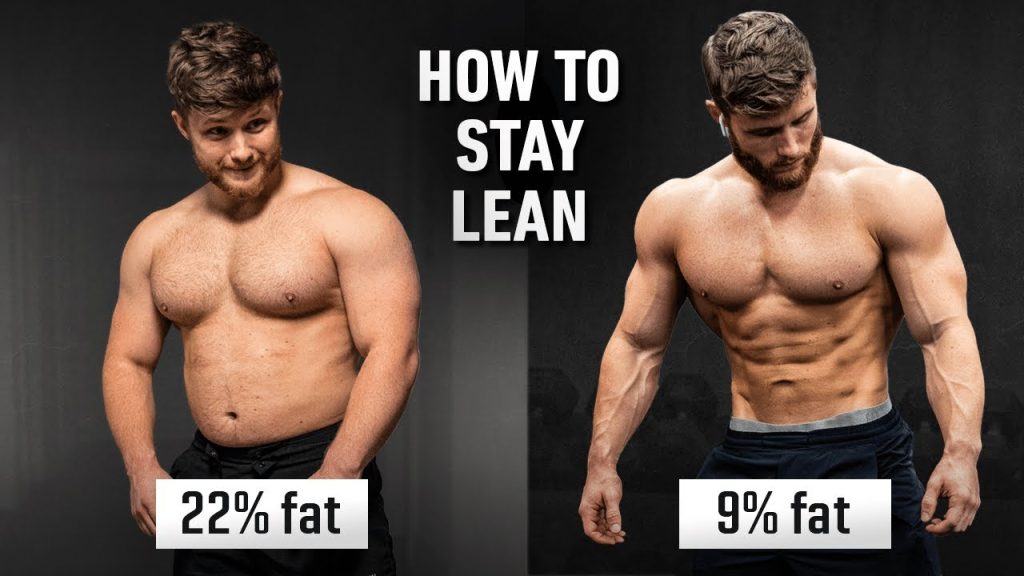
Video by Jeff Nippard on YouTube
When researchers from the University of Copenhagen put 56 men with obesity through an 8-week low-calorie diet followed by a year of either exercise, liraglutide (a GLP-1 analogue), or both, the results were striking. Sperm concentration increased 1.49-fold and sperm count rose 1.41-fold — and those improvements held for 52 weeks in men who kept the weight off. That study was nominally about fertility. But what it really revealed is something more fundamental: the diet came first. The GLP-1 medication maintained what the diet built. If you want results on a GLP-1 medication, you have to understand that the food you eat is still doing the heavy lifting.
GLP-1 receptor agonists — semaglutide (Ozempic, Wegovy), liraglutide (Saxenda), and the dual GIP/GLP-1 agonist tirzepatide (Mounjaro, Zepbound) — are legitimately powerful tools. They slow gastric emptying, blunt appetite signals, and improve insulin sensitivity. But they are not a dietary free pass. The men in that Copenhagen trial who regained weight lost their gains too, regardless of whether they were on medication. This is the core truth about GLP-1 therapy: the drug amplifies your dietary effort, it does not replace it.
How GLP-1 Medications Change Your Metabolism — And What That Means For Your Plate
To build an intelligent diet plan around a GLP-1 medication, you first need to understand what these drugs actually do at the metabolic level. A landmark 2025 study published in Cell Metabolism examined tirzepatide’s effects on energy expenditure and found something both reassuring and instructive: tirzepatide increased fat oxidation and significantly reduced calorie intake during ad libitum test meals, but did not appear to substantially reduce metabolic adaptation in humans the way it did in mice. In plain terms, the drug shifts your body toward burning more fat and helps you eat less — but it does not fully protect your resting metabolism from slowing as you lose weight.
This matters enormously for your nutrition strategy. Because your metabolism will still adapt downward as you lose weight, eating too aggressively below your calorie needs — which is dangerously easy to do when you have virtually no appetite — can accelerate muscle loss, fatigue, micronutrient deficiencies, and eventually weight regain. The GLP-1 drug suppresses hunger so effectively that many men eat far too little protein and too few total calories, particularly in the early weeks. The result is that they lose weight on the scale but lose as much muscle as fat — a metabolic trade-off that undermines long-term results.
The AACE and ACE comprehensive clinical practice guidelines for obesity management, one of the most rigorous evidence-based frameworks in the field, make clear that optimal obesity treatment integrates dietary modification, physical activity, and behavioral strategies alongside any pharmacological intervention. Medication without dietary structure is not a plan — it is a temporary suppression of symptoms.
So what does a smart GLP-1 diet plan actually look like? It starts with protein. Men on GLP-1 medications should be aiming for a minimum of 1.2 to 1.6 grams of protein per kilogram of body weight per day — and given that appetite suppression makes it easy to skip meals entirely, this usually requires intentional meal timing rather than eating only when hungry. Prioritize protein at every meal: eggs and Greek yogurt in the morning, chicken, fish, or beef at lunch and dinner, and a protein shake on days when appetite makes hitting targets difficult. The goal is not to eat large volumes — it is to eat strategically within whatever reduced volume you can tolerate.
Carbohydrate and fat intake can be structured around personal preference and activity level, but the general principle is to favor whole, minimally processed sources. Complex carbohydrates — oats, sweet potatoes, legumes, whole grains — digest slowly and align well with the gastric-slowing effects of GLP-1 medications. Processed foods and high-fat, calorie-dense options tend to cause nausea and GI discomfort in GLP-1 users, particularly early in treatment. Beyond comfort, there is a mechanistic reason to favor fiber-rich foods: GLP-1 is a gut-derived hormone secreted by intestinal L cells and is vital for postprandial glycemic control. — meaning a high-fiber diet may support your body’s own GLP-1 production in parallel with your medication.
The Exercise Component You Cannot Afford to Skip
Here is where most GLP-1 diet plans fail men: they treat the medication as sufficient and leave exercise as optional. The research is unambiguous on this point. A 2026 secondary analysis of the S-LITE randomized controlled trial — involving 193 adults with obesity — found that liraglutide alone did not improve physical fitness, while structured exercise — combined with or without the medication — produced clinically meaningful improvements in cardiorespiratory fitness and functional performance. Peak oxygen consumption improved significantly in exercise groups. Relative muscle strength held up in liraglutide users partly because they weighed less — but absolute strength was only preserved in those who trained.
For men on GLP-1 therapy, resistance training is non-negotiable. Two to four sessions per week of compound lifting — squats, deadlifts, rows, presses — provides the anabolic stimulus needed to preserve lean mass during a caloric deficit. The S-LITE trial participants exercised at a median of 2.65 sessions per week at approximately 79% of maximum heart rate, achieving significant fitness improvements on a relatively modest schedule. You do not need to live in the gym. You need to train consistently and progressively. Add one to two cardio sessions per week for cardiovascular health, and you have a complete framework.
Hydration deserves specific mention for GLP-1 users. Delayed gastric emptying and reduced thirst signals can lead to chronic mild dehydration, which impairs performance, cognition, and recovery. Aim for at least three liters of water daily, more on training days, and consider electrolyte supplementation if you are eating very low calories or sweating heavily.
The Takeaway
A GLP-1 medication changes the playing field — it reduces your appetite, shifts your metabolism toward fat oxidation, and makes the early phases of weight loss significantly more manageable. But the diet plan matters as much as it ever did. Prioritize protein aggressively, eat whole foods that support your gut’s own hormone production, resist the urge to eat so little that you sacrifice muscle, and train with weights consistently. The men who get lasting results on GLP-1 therapy are not the ones who let the medication do all the work. They are the ones who use the medication to finally execute the diet and exercise plan they could never stick to before.
Scientific References
-
Andersen, Juhl, Kjøller et al. (2022).
Sperm count is increased by diet-induced weight loss and maintained by exercise or GLP-1 analogue treatment: a randomized controlled trial..
Human reproduction (Oxford, England).
View on PubMed → -
Jensen, Fiorenza, Juhl et al. (2026).
Physical Fitness with Exercise and GLP-1 Receptor Agonist Treatment Alone or Combined After Diet-Induced Weight Loss: A Secondary Analysis of a Randomized Controlled Trial in Adults with Obesity..
Sports medicine (Auckland, N.Z.).
View on PubMed → -
Garvey, Mechanick, Brett et al. (2016).
AMERICAN ASSOCIATION OF CLINICAL ENDOCRINOLOGISTS AND AMERICAN COLLEGE OF ENDOCRINOLOGY COMPREHENSIVE CLINICAL PRACTICE GUIDELINES FOR MEDICAL CARE OF PATIENTS WITH OBESITY..
Endocrine practice : official journal of the American College of Endocrinology and the American Association of Clinical Endocrinologists.
View on PubMed → -
Ravussin, Sanchez-Delgado, Martin et al. (2025).
Tirzepatide did not impact metabolic adaptation in people with obesity, but increased fat oxidation..
Cell metabolism.
View on PubMed → -
Huang, Mo, Yang et al. (2024).
Mechano-regulation of GLP-1 production by Piezo1 in intestinal L cells..
eLife.
View on PubMed →