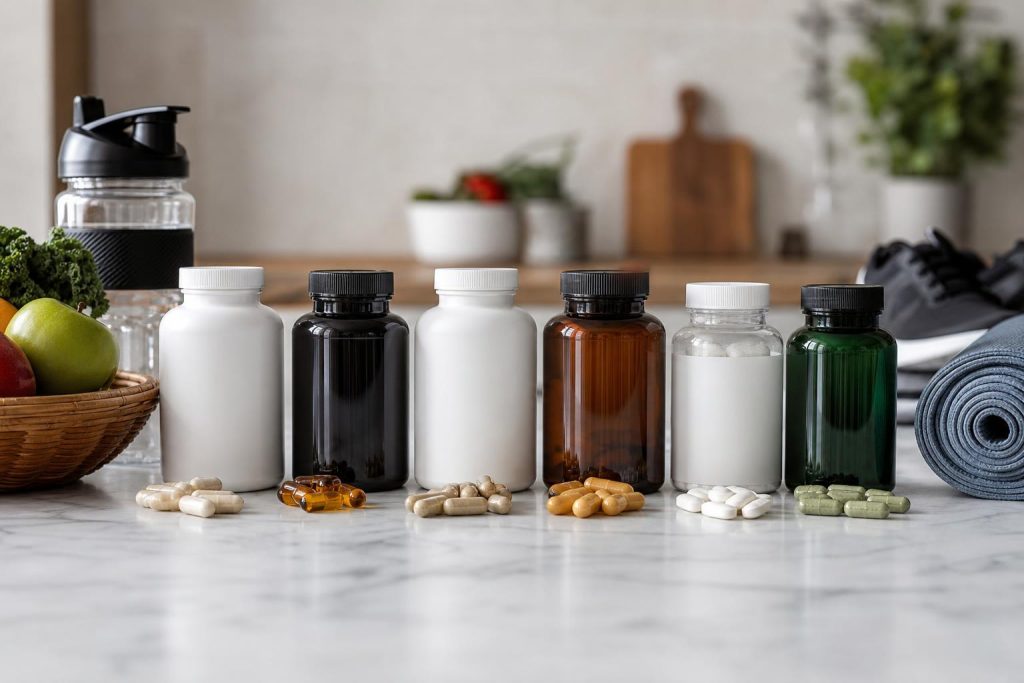
When researchers examined nutritional intake in patients using GLP-1 receptor agonists like semaglutide, they found something that shouldn’t have been surprising but was: the dramatic reduction in caloric intake that makes these drugs effective also creates a near-perfect storm for micronutrient deficiency. A 2023 analysis published in Obesity Reviews noted that individuals on very low-calorie dietary patterns — consistently under 1,200–1,500 calories — routinely fall short of recommended intakes for vitamins B12, D, iron, and zinc. If you’re eating significantly less food, you’re almost certainly getting significantly fewer vitamins. That’s the math Ozempic doesn’t advertise.
This matters whether you’re using semaglutide, following an aggressive cut, doing intermittent fasting, or just eating cleaner than you used to. The underlying issue is the same: less food means fewer micronutrients, and certain nutrients become critically important when your body is actively losing fat, preserving muscle, and recalibrating its metabolic set point. What follows is a research-backed breakdown of the vitamins and minerals that deserve your attention — and why skipping them can quietly undermine everything else you’re doing right.
The Core Deficiencies You Need to Address
Vitamin B12 sits at the top of the list for a specific and often overlooked reason. Beyond its role in energy metabolism and red blood cell production, B12 is essential for neurological function and DNA synthesis. Research published in Nutrients has confirmed that metformin — frequently co-prescribed with semaglutide in type 2 diabetes management — significantly depletes B12 levels over time. But even without metformin in the picture, eating less animal protein means eating less B12, full stop. Deficiency doesn’t announce itself loudly; it shows up as fatigue, brain fog, and tingling in the extremities — symptoms men routinely chalk up to stress or aging. A daily B12 supplement of at least 500–1,000 mcg in methylcobalamin form (the bioavailable version) is a straightforward insurance policy.
Vitamin D is arguably the most universally deficient nutrient in modern men, regardless of diet. A large-scale analysis in JAMA Network Open estimated that over 40% of American adults are deficient, with men in northern latitudes and those who work indoors at particularly high risk. When you layer caloric restriction on top of baseline insufficiency, the consequences compound. Vitamin D is a fat-soluble hormone precursor involved in testosterone synthesis, immune regulation, insulin sensitivity, and muscle protein synthesis. A meta-analysis in Ageing Research Reviews found that adequate vitamin D levels were associated with significantly better preservation of lean muscle mass in adults during weight loss. For men actively trying to lose fat without sacrificing muscle — on Ozempic or otherwise — optimizing D isn’t optional. A daily dose of 2,000–4,000 IU of vitamin D3, taken with food that contains fat, is a practical starting point, with blood testing to guide individual adjustments.
Magnesium rarely gets the attention it deserves. It functions as a cofactor in over 300 enzymatic reactions, including those governing blood sugar regulation, muscle contraction, protein synthesis, and sleep architecture. Research in Nutrients has shown that magnesium deficiency is strongly associated with insulin resistance and impaired glucose metabolism — exactly the problem GLP-1 medications are designed to address. If you’re eating less food, you’re likely eating less magnesium. Foods richest in magnesium — dark leafy greens, nuts, seeds, legumes — are often underrepresented in the average man’s diet even at normal caloric intake. Aim for 300–400 mg of magnesium glycinate or magnesium malate daily; these forms are better tolerated than magnesium oxide and cause less gastrointestinal distress, which matters when your stomach is already adjusting to a GLP-1 medication or an aggressive dietary change.
Zinc ties directly into testosterone production, immune function, and wound healing — and it depletes fast during periods of caloric deficit. A landmark study in Nutrition demonstrated a direct relationship between zinc status and serum testosterone levels in men, with supplementation in deficient individuals restoring testosterone to normal ranges. If you’re training hard, eating less, and experiencing sluggish recovery or reduced libido, zinc should be one of your first considerations. A daily dose of 15–30 mg of zinc picolinate or zinc bisglycinate covers most men’s needs without pushing into the territory where excess zinc starts interfering with copper absorption.
What’s Often Forgotten: Protein, Electrolytes, and Fat-Soluble Vitamins
Here’s what the conversation about vitamins often misses: micronutrients don’t operate in isolation. They require adequate dietary protein and fat to function properly, and both macronutrients tend to drop when overall food intake drops. A 2022 study in The American Journal of Clinical Nutrition reinforced that men in a caloric deficit preserving at least 1.6 grams of protein per kilogram of body weight maintained significantly more lean mass than those eating less. Vitamins A, D, E, and K are all fat-soluble — they require dietary fat for absorption and are stored in fat tissue. If you’re eating dramatically less fat alongside fewer calories, you may be absorbing less of these critical nutrients even if you’re technically supplementing them. Taking fat-soluble vitamins with your largest meal — one that includes a meaningful fat source — dramatically improves absorption.
Electrolytes deserve specific attention for men on GLP-1 medications or aggressive caloric restriction. Reduced food intake decreases sodium, potassium, and magnesium intake simultaneously. The result can manifest as headaches, muscle cramps, fatigue, and impaired exercise performance — symptoms frequently misattributed to the medication itself. Ensuring adequate sodium intake (particularly important if you’re also sweating through training), potassium from whole food sources like avocado and salmon, and supplemental magnesium goes a long way toward resolving what feels like side effects but is often simply an electrolyte gap.
Omega-3 fatty acids round out the non-negotiable list. While not a vitamin in the traditional sense, EPA and DHA from fish oil address systemic inflammation — a driver of metabolic dysfunction, poor recovery, and cardiovascular risk. A review in Journal of the International Society of Sports Nutrition found that omega-3 supplementation meaningfully reduced muscle soreness and supported lean mass retention during resistance training. For men using semaglutide who may be eating less fatty fish, 2–3 grams of combined EPA and DHA daily is a practical target.
The Takeaway
Ozempic is a tool. So is a caloric deficit. So is a structured training program. All of them work best when the nutritional foundation underneath is solid. The vitamins and minerals outlined here — B12, D3, magnesium, zinc, and omega-3s — aren’t exotic or expensive, and the research supporting their importance during periods of reduced food intake is consistent and compelling. A high-quality multivitamin can cover your bases on many of these, but be honest with yourself about what your diet is actually delivering. If you’re eating significantly less than you used to, the gap between what you need and what you’re getting is real. Filling it isn’t about chasing optimization — it’s about making sure the work you’re putting in actually pays off.