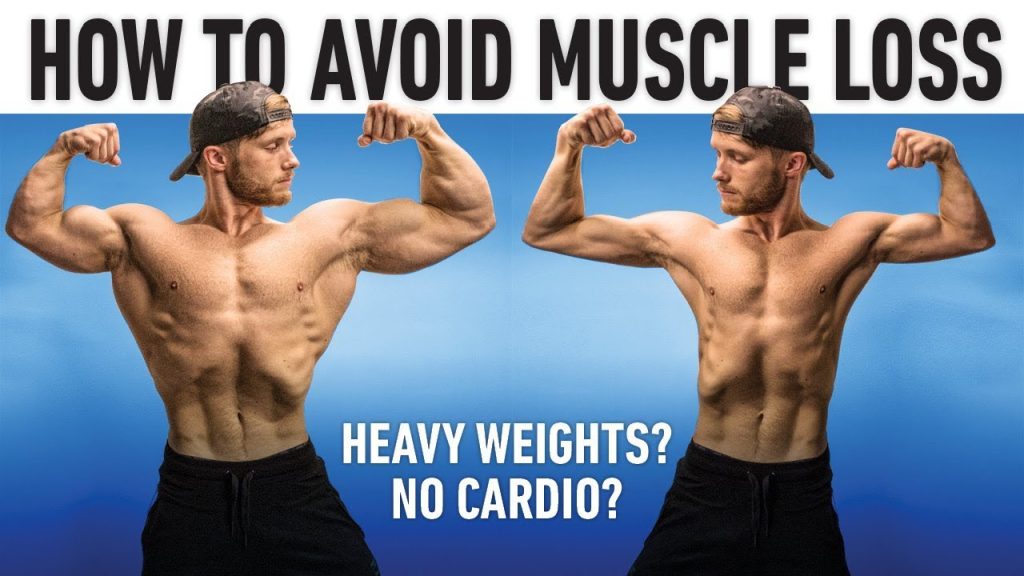
Video by Jeff Nippard on YouTube
Here’s a number that should stop every GLP-1 user in their tracks: studies show that GLP-1 receptor agonists like semaglutide and tirzepatide can cause roughly 10% loss of lean mass — approximately 6 kg of muscle — during a treatment course. That’s comparable to a decade or more of age-related muscle loss compressed into less than two years. The medications work. The fat loss is real. But without deliberate strength training, a significant portion of what you’re losing isn’t fat — it’s the metabolically active muscle tissue that keeps you strong, functional, and metabolically resilient for the long haul.
This isn’t an argument against GLP-1 medications. It’s an argument for using them intelligently. And right now, the evidence is unambiguous: resistance training is the most effective tool available for preserving — and potentially building — muscle mass during pharmacological weight loss.
What GLP-1 Medications Actually Do to Your Body Composition
GLP-1 receptor agonists reduce body weight by suppressing appetite and slowing gastric emptying, creating a sustained caloric deficit. In clinical trials, agents like liraglutide, semaglutide, tirzepatide, and retatrutide induce between 15% and 24% total body weight loss, with meaningful improvements in blood pressure, cholesterol, blood glucose, and insulin sensitivity. The cardiovascular and metabolic benefits are legitimate and well-documented.
The problem is the composition of that weight loss. Research indicates that up to 40% of total weight lost on GLP-1 therapy can come from fat-free mass — which includes skeletal muscle. Lose 30 pounds, and you may have lost 12 of them as muscle. That trade-off has serious long-term consequences. Muscle mass is the primary driver of resting metabolic rate, insulin sensitivity, and functional capacity as you age. Losing it rapidly doesn’t just affect how you look — it increases your risk of sarcopenia, compromises metabolic health, and sets you up for significant weight regain if you ever stop the medication.
A 2025 review in Obesity Reviews put it bluntly: patients on incretin-mimetic drugs like semaglutide and tirzepatide lost 10% or more of their muscle mass during 68- to 72-week interventions — roughly equivalent to 20 years of age-related muscle loss. The authors concluded that all patients receiving these medications should participate in comprehensive programs emphasizing resistance training to preserve muscle mass and function.
The Case for Resistance Training as Your Primary Defense
The research on resistance exercise during caloric restriction is consistent and compelling. Supervised resistance training programs lasting more than 10 weeks can produce roughly 3 kg of lean mass gain and a 25% improvement in strength in men and women — even during periods of caloric deficit. That’s not a marginal benefit. That’s a meaningful counterweight to the muscle-wasting effects of aggressive weight loss pharmacotherapy.
A 2025 joint advisory from the American College of Lifestyle Medicine, the American Society for Nutrition, the Obesity Medicine Association, and the Obesity Society made the clinical recommendation explicit: preserving muscle and bone mass through resistance training and appropriate diet should be a core component of GLP-1 treatment protocols. This isn’t a fringe recommendation. It’s a consensus position from four major medical organizations.
In practice, this means prioritizing compound, multi-joint movements — squats, deadlifts, rows, presses — performed at sufficient intensity to provide a meaningful mechanical stimulus to muscle tissue. Three to four sessions per week, with progressive overload tracked over time, represents a reasonable minimum for men trying to hold onto muscle during a significant caloric deficit. The goal isn’t necessarily to build mass during this phase, though some men will. The goal is to send a clear enough signal to your body that muscle tissue is worth keeping.
Protein intake compounds this effect. Clinical guidance emphasizes adequate intake of high-quality protein alongside resistance training as the two-pronged defense against muscle loss on GLP-1 therapy. Because GLP-1 medications suppress appetite significantly, many users find themselves eating far less protein than they realize — which accelerates lean mass loss. Prioritizing protein at every meal, even small ones, helps close that gap. A general target of 0.7 to 1.0 grams of protein per pound of bodyweight per day gives muscle tissue the amino acid substrate it needs to be maintained and repaired.
For men who want additional support, specific nutrients including creatine, leucine, branched-chain amino acids, omega-3 fatty acids, and vitamin D have shown potential in supporting muscle preservation in the context of GLP-1 therapy. These aren’t magic bullets, but they’re evidence-informed additions to a foundation built on training and protein.
The Takeaway
GLP-1 medications can be a powerful lever for fat loss — but they don’t discriminate between fat and muscle on their own. The men who come out of a GLP-1 treatment cycle looking and performing better are the ones who treat resistance training as non-negotiable, not optional. The medication creates the caloric environment for fat loss. Strength training determines what’s left when that fat is gone. Pick up the weights. Eat your protein. Let the medication do what it’s designed to do — while you protect everything worth keeping.
Scientific References
-
Mozaffarian, Agarwal, Aggarwal et al. (2025).
Nutritional priorities to support GLP-1 therapy for obesity: A joint advisory from the American College of Lifestyle Medicine, the American Society for Nutrition, the Obesity Medicine Association, and the Obesity Society..
Obesity pillars.
View on PubMed → -
Mozaffarian, Agarwal, Aggarwal et al. (2025).
Nutritional priorities to support GLP-1 therapy for obesity: A joint Advisory from the American College of Lifestyle Medicine, the American Society for Nutrition, the Obesity Medicine Association, and The Obesity Society..
Obesity (Silver Spring, Md.).
View on PubMed → -
Locatelli, Costa, Haynes et al. (2024).
Incretin-Based Weight Loss Pharmacotherapy: Can Resistance Exercise Optimize Changes in Body Composition?.
Diabetes care.
View on PubMed → -
Mechanick, Butsch, Christensen et al. (2025).
Strategies for minimizing muscle loss during use of incretin-mimetic drugs for treatment of obesity..
Obesity reviews : an official journal of the International Association for the Study of Obesity.
View on PubMed → -
Chavez, Carrasco Barria, León-Sanz et al. (2025).
Nutrition support whilst on glucagon-like peptide-1 based therapy. Is it necessary?.
Current opinion in clinical nutrition and metabolic care.
View on PubMed →