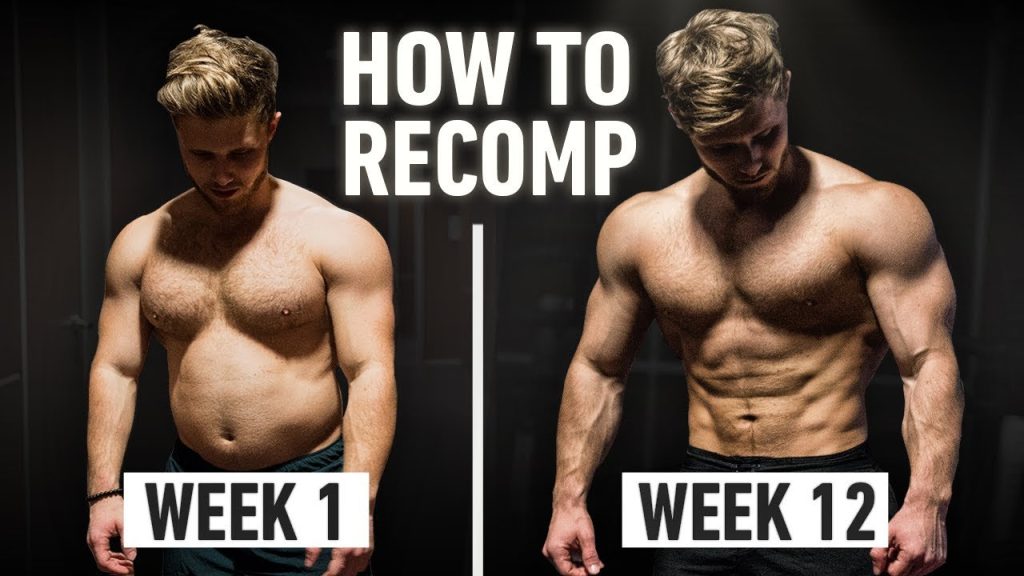
Video by Jeff Nippard on YouTube
Here’s a statistic worth sitting with: men on GLP-1 receptor agonists like semaglutide or liraglutide can lose a significant portion of their weight as muscle, not just fat. A 2025 review in Current Opinion in Clinical Nutrition and Metabolic Care confirmed that incretin-based obesity medications produce meaningful reductions in fat-free mass, including skeletal muscle — and the clinical consequences of that loss are still being debated. But one thing isn’t debatable: structured resistance training is the most powerful lever you have to fight back. This program is built on that premise, and it costs you nothing but effort.
To be clear, this isn’t a program exclusively for GLP-1 users. Whether you’re on semaglutide, doing a traditional caloric deficit, running a keto protocol, or simply trying to build a stronger, leaner body through the gym — the physiology of muscle preservation during weight loss is the same. You need progressive mechanical tension on muscle tissue, adequate protein, and a structured weekly schedule. What follows is a complete, free strength training program grounded in current evidence, designed for men at any starting point.
Why Muscle Loss During Weight Loss Is a Problem You Can’t Ignore
The concern about losing muscle alongside fat isn’t cosmetic vanity — it’s a metabolic and functional health issue. Sarcopenic obesity — the clinical condition where excess body fat coexists with impaired muscle mass and function — is associated with heightened cardiometabolic risk, increased frailty, and poorer long-term outcomes. When men lose weight rapidly, whether through aggressive dieting or GLP-1 medications, the body doesn’t selectively burn only fat. Muscle tissue becomes collateral damage, especially without a training stimulus to tell your body that muscle is worth keeping.
The Global Burden of Disease Study 2023, published in The Lancet, identified high BMI as one of the few leading risk factors where age-standardized burden actually increased between 2010 and 2023 — underscoring just how critical metabolic health interventions have become. But weight loss alone, without body composition in mind, can trade one health problem for another. Losing 30 pounds of fat alongside 10 pounds of muscle doesn’t deliver the same metabolic dividend as losing 38 pounds of fat and gaining 2 pounds of muscle. The ratio matters enormously for insulin sensitivity, resting metabolic rate, and long-term weight maintenance.
Resistance training changes that ratio decisively. And the research on combining structured exercise with GLP-1 therapy specifically has now reached a level of clarity that should inform every man’s approach. A 2026 randomized controlled trial published in Sports Medicine involving 193 adults with obesity found that structured moderate-to-vigorous exercise combined with liraglutide produced clinically meaningful improvements in physical functional performance and cardiorespiratory fitness — while liraglutide alone did not improve physical fitness at all. Participants in the combined group saw peak oxygen consumption improve by 3.0 mL/min/kg of fat-free mass and completed a stair climb test 8.6% faster than those on the medication alone. Relative muscle strength in the exercise-plus-liraglutide group was 3.3% higher than placebo by the end of the study. The drug without the training simply couldn’t replicate those outcomes.
The Free GLP-1 Strength Training Program
This is a three-day-per-week full-body resistance training program built around compound movements — the exercises that recruit the most muscle mass per set, maximize hormonal response, and deliver the greatest return on your time investment. Three days per week is the evidence-supported minimum for meaningful strength and muscle retention, and it’s manageable even when GLP-1 side effects like nausea or appetite suppression are reducing your overall energy intake.
Each session follows the same structural logic: a primary lower-body compound lift, a primary upper-body push, a primary upper-body pull, and a targeted accessory movement. You’ll work in the 3-to-4-set range at 8-to-12 repetitions per set — a rep range that consistently drives hypertrophy and strength simultaneously. Rest 60 to 90 seconds between sets. Total session time should fall between 45 and 60 minutes.
Day 1 — Monday: Barbell back squat (or goblet squat if newer to training), 4 sets of 8 reps. Dumbbell bench press, 3 sets of 10 reps. Seated cable row or dumbbell bent-over row, 3 sets of 10 reps. Romanian deadlift, 3 sets of 12 reps. Plank hold, 3 rounds of 30 to 45 seconds.
Day 2 — Wednesday: Trap bar deadlift (or conventional deadlift), 4 sets of 6 reps. Overhead dumbbell press, 3 sets of 10 reps. Lat pulldown or assisted pull-up, 3 sets of 10 reps. Dumbbell lunges, 3 sets of 12 reps each leg. Cable or band face pulls, 3 sets of 15 reps.
Day 3 — Friday: Leg press, 4 sets of 10 reps. Incline dumbbell press, 3 sets of 10 reps. Single-arm dumbbell row, 3 sets of 10 reps each side. Leg curl (machine or Nordic), 3 sets of 12 reps. Farmer’s carries, 3 rounds of 30 meters.
Progressive overload is non-negotiable. Every week, aim to add one repetition per set or increase the load by 5 pounds on at least one exercise. Keep a training log — even a notes app on your phone works — because what gets tracked gets improved. If you’re on a GLP-1 medication and your appetite is suppressed, prioritize protein consumption before and after training windows. Aim for a minimum of 0.7 grams of protein per pound of bodyweight daily, and understand that the research consistently identifies adequate protein intake as the nutritional counterpart to resistance training for preserving lean mass during caloric deficits.
It’s also worth noting that the benefits of structured exercise extend beyond the muscle you can see in the mirror. A 2025 study in Frontiers in Sports and Active Living found that long-term structured training — in this case Taekwondo, which combines both aerobic and resistance components — significantly improved thigh muscle cross-sectional area, insulin sensitivity markers, and GLP-1 levels in sedentary older women. The metabolic benefits of training aren’t just about aesthetics; they touch glucose regulation, inflammatory pathways, and cardiovascular risk in ways that stack on top of any pharmacological intervention you might be using. Research on obesity-related cardiac risk further reinforces why reducing fat mass while simultaneously preserving metabolically active muscle tissue is a cardiovascular priority — not just a physique goal.
For men who are newer to lifting, starting with lighter loads and focusing on movement quality over the first four weeks is essential. Injuries don’t build muscle. If access to a barbell is limited, the entire program can be modified with dumbbells and resistance bands without meaningfully compromising the training stimulus — particularly in the early months when even modest loads produce significant adaptation in untrained individuals.
The Takeaway
A GLP-1 medication can do a lot for your metabolic health and weight loss trajectory. But it cannot build or protect your muscle. It cannot improve your cardiorespiratory fitness. It cannot make you functionally stronger or more resilient as you age. Those outcomes require deliberate, progressive resistance training — three days a week, focused on compound movements, paired with adequate protein intake. The evidence is no longer ambiguous on this point: the combination of structured exercise and GLP-1 therapy produces results that neither can achieve alone. And for men who aren’t on GLP-1 medications at all, the program above works just as well — because the physiological principles driving muscle retention and metabolic health don’t change based on what’s in your prescription bottle. Show up, lift progressively, eat enough protein, and repeat. That’s the program.
Scientific References
-
Caturano, Amaro, Berra et al. (2025).
Sarcopenic obesity and weight loss-induced muscle mass loss..
Current opinion in clinical nutrition and metabolic care.
View on PubMed → -
Jensen, Fiorenza, Juhl et al. (2026).
Physical Fitness with Exercise and GLP-1 Receptor Agonist Treatment Alone or Combined After Diet-Induced Weight Loss: A Secondary Analysis of a Randomized Controlled Trial in Adults with Obesity..
Sports medicine (Auckland, N.Z.).
View on PubMed → -
Unknown Authors (2025).
Burden of 375 diseases and injuries, risk-attributable burden of 88 risk factors, and healthy life expectancy in 204 countries and territories, including 660 subnational locations, 1990-2023: a systematic analysis for the Global Burden of Disease Study 2023..
Lancet (London, England).
View on PubMed → -
Bahrami, Aromolaran, Aromolaran et al. (2025).
Proarrhythmic Lipid Inflammatory Mediators: Mechanisms in Obesity Arrhythmias..
Journal of cellular physiology.
View on PubMed → -
Park, Kim, Jeong et al. (2025).
Effects of Taekwondo training on thigh muscle cross-sectional area, health-related physical fitness, HbA1c, and GLP-1 in sedentary older women..
Frontiers in sports and active living.
View on PubMed →