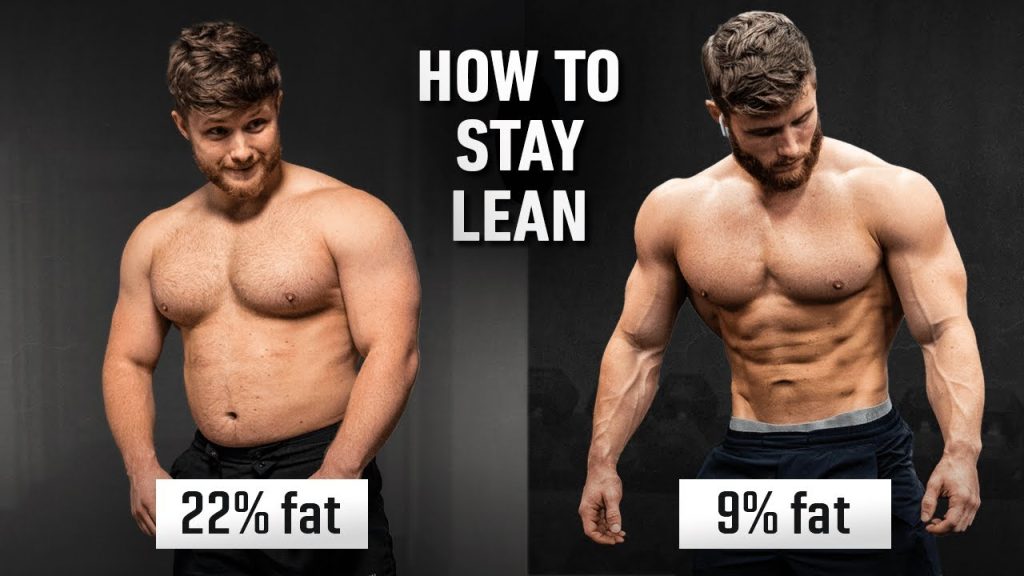
Video by Jeff Nippard on YouTube
When semaglutide first made headlines, most people assumed the weight loss was purely pharmacological — the drug did the work, the diet was secondary. But a landmark 2021 trial published in the New England Journal of Medicine told a more nuanced story: participants using semaglutide alongside lifestyle intervention lost significantly more weight than those relying on the medication alone. The drug isn’t magic. It’s a lever. And the diet you build around it determines whether you lose fat and keep muscle — or just get smaller and weaker.
If you’re new to GLP-1 medications like semaglutide (Ozempic, Wegovy) or tirzepatide (Mounjaro, Zepbound), the appetite suppression can feel dramatic at first. Hunger signals that used to dictate your entire day go quiet. That’s the opportunity — and the trap. Because eating too little, choosing the wrong foods, or skipping protein can accelerate muscle loss at a rate that does serious long-term damage to your metabolism. Research has shown that without adequate protein and resistance training, a significant portion of weight lost on GLP-1 therapy comes from lean muscle mass — not just fat. For men focused on body composition, that’s a problem worth solving before it starts.
The goal of a GLP-1 diet plan isn’t just to eat less. It’s to eat strategically — maximizing the nutrition you get from the smaller volume of food you’re now consuming, protecting muscle, fueling energy, and making the medication’s effects work in your favor for the long haul.
Build Your Plate Around Protein First — Every Single Meal
The most important nutritional directive for any man on a GLP-1 medication is non-negotiable: protein comes first. When you’re eating 1,200 to 1,600 calories a day — which many GLP-1 users end up doing without even trying — there is very little room for nutritional error. Every meal has to carry weight, and protein is the macro that earns its place most decisively.
Studies consistently show that higher protein intakes during a caloric deficit preserve lean mass better than standard recommendations, with intakes between 1.6 and 2.2 grams per kilogram of bodyweight performing best in active men. For a 200-pound man, that’s roughly 145 to 200 grams of protein daily — a target that requires deliberate meal planning when your appetite is suppressed. Lean meats like chicken breast, turkey, and 93% lean ground beef are workhorses here. Eggs, Greek yogurt, cottage cheese, and salmon round out the roster. Protein shakes aren’t a shortcut — they’re a practical bridge when appetite is low and whole foods feel like too much.
Beyond macros, the structure of your meals matters. Because GLP-1 medications slow gastric emptying — meaning food moves through your stomach more slowly than usual — large meals can feel uncomfortable or even nauseating. Smaller, more frequent eating windows tend to work better: three modest meals rather than two large ones, with protein anchoring every sitting. Starting each meal by eating your protein source first isn’t a trick; it’s a practical strategy to ensure you hit your targets before fullness shuts you down.
Vegetables and fiber-rich carbohydrates deserve a prominent place on your plate as well — not because GLP-1 users need more carbs, but because fiber supports gut health, stabilizes blood sugar, and extends satiety in a way that complements the medication’s mechanism. Evidence suggests that dietary fiber independently improves glycemic control and reduces postprandial glucose spikes — a benefit that stacks well with the glucose-lowering effects of GLP-1 receptor agonists. Aim for leafy greens, broccoli, zucchini, and legumes. Keep starchy carbohydrates moderate rather than eliminated — sweet potatoes, oats, and quinoa provide energy and micronutrients without derailing fat loss goals.
What to Limit — And Why It Matters More on GLP-1
Ultra-processed foods, high-fat fast food, and alcohol deserve more caution on GLP-1 therapy than they might on a standard diet. Because gastric emptying is slowed, fatty and greasy foods — which already take longer to digest — can compound the nausea side effects that many beginners experience in the early weeks. This isn’t about being overly restrictive; it’s about understanding that your digestive physiology has changed and your food choices need to reflect that.
Alcohol is worth addressing directly. Research indicates that alcohol consumption impairs muscle protein synthesis, disrupts sleep architecture, and adds empty calories that crowd out the protein and micronutrients your body needs during a deficit. Some GLP-1 users report increased sensitivity to alcohol — feeling effects faster and more intensely than before. Until you understand how your body responds, moderation is the pragmatic call.
Sugary beverages, including fruit juice, energy drinks, and soda, are also worth cutting. They provide calories without satiety, spike blood glucose rapidly, and offer nothing that whole foods can’t provide more effectively. Water, sparkling water, black coffee, and unsweetened tea are your defaults. Staying hydrated is more important on GLP-1 therapy than most beginners realize — reduced hunger can suppress thirst signals too, and dehydration accelerates fatigue and constipation, two common side effects in early use.
Supplementation is a practical consideration for GLP-1 beginners eating in a significant caloric deficit. A comprehensive multivitamin, magnesium glycinate for sleep and muscle function, and omega-3 fatty acids are reasonable foundational additions. If dairy intake is low, vitamin D and calcium deserve attention. None of these replace food quality — but when volume drops, nutrient gaps open up faster than most men expect.
The Takeaway
A GLP-1 medication can be one of the most powerful metabolic tools available to men who have struggled with weight for years. But the diet you build around it is what separates successful, sustainable fat loss from muscle wasting dressed up as progress on the scale. Anchor every meal to protein, build in fiber-rich vegetables, limit processed and fatty foods that amplify side effects, stay hydrated, and treat the appetite suppression as a window — not a permission slip to eat nothing. The medication quiets the noise. Your diet determines the outcome.