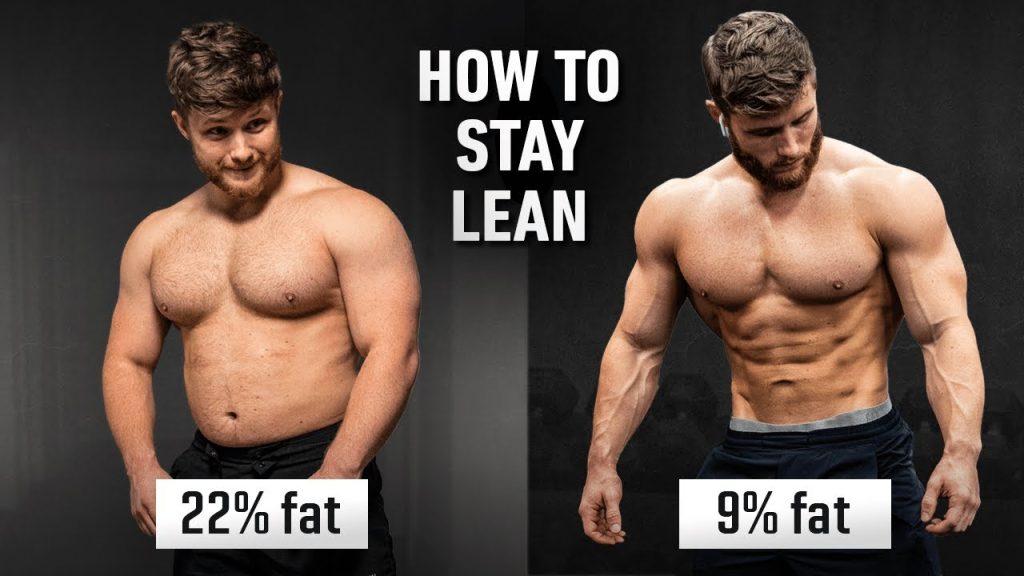
Video by Jeff Nippard on YouTube
GLP-1 medications like semaglutide and tirzepatide are producing weight loss results that were practically unthinkable a decade ago. But here’s what the clinical data is making increasingly clear: the drug alone is not the whole strategy. A 2025 analysis published in Obesity Reviews found that participants on incretin-mimetic drugs lost 10% or more of their muscle mass over 68 to 72 weeks — roughly equivalent to 20 years of age-related muscle loss compressed into a single treatment cycle. That’s not a side note. That’s a fundamental challenge that determines whether your results are lasting or temporary.
The men getting the best outcomes on GLP-1 therapy are not simply letting the medication do the work. They’re eating with intention, training with purpose, and treating the drug as a powerful accelerant to a strategy that’s already built on solid foundations. If you’re on semaglutide or tirzepatide — or considering it — here’s how to make the most of every week on it.
Protein and Nutrition: The Non-Negotiable Foundation
GLP-1 medications work primarily by suppressing appetite, slowing gastric emptying, and improving insulin sensitivity. That appetite suppression is the mechanism behind the dramatic caloric deficits these drugs can create — but it’s also where men get into trouble. Eating far less without eating smarter means the body doesn’t discriminate well between fat and muscle when it’s pulling from energy reserves. The result, as the research shows, is disproportionate lean mass loss that can quietly undermine your metabolism for years after you stop the medication.
The fix starts with protein. The Obesity Reviews analysis is direct on this point: nutrition therapy must ensure adequate intake and absorption of high-quality protein and micronutrients, and for many patients this requires supplementation because total food volume is simply too low to meet targets through whole foods alone. A practical target for most men on GLP-1 therapy is somewhere in the range of 1.2 to 1.6 grams of protein per kilogram of body weight daily — prioritizing complete protein sources like eggs, Greek yogurt, cottage cheese, lean meats, and quality protein powders. Because GLP-1 medications reduce how much you can comfortably eat in a sitting, spreading protein across four to five smaller meals or snacks throughout the day becomes especially important rather than trying to hit your numbers in two large meals.
Micronutrient intake deserves equal attention. Reduced caloric consumption often means reduced intake of zinc, magnesium, vitamin D, and B vitamins — all of which play roles in muscle protein synthesis, hormonal function, and metabolic efficiency. A high-quality multivitamin isn’t a luxury on GLP-1 therapy; it’s a practical safeguard against nutritional gaps that compound over time.
Resistance Training Is the Other Half of the Equation
No supplement or dietary adjustment alone will preserve muscle mass the way that progressive resistance training does. A 2026 narrative review in Acta Diabetologica examining GLP-1 receptor agonist use and muscle wasting concluded that resistance training is among the most effective preventive strategies available, and that the convergence of chronic inflammation, mitochondrial dysfunction, and altered protein metabolism in men with metabolic disease makes the case for structured training even more urgent.
Three to four resistance training sessions per week is a reasonable starting point. Compound movements — squats, deadlifts, rows, presses — recruit the largest muscle groups and generate the most meaningful anabolic stimulus. You do not need to be an advanced lifter to benefit from this. Even two days per week of structured resistance work has been shown to meaningfully attenuate lean mass loss during caloric restriction. The goal during GLP-1 therapy is not to maximize hypertrophy. It is to send your body a consistent signal that muscle tissue is being used and therefore worth preserving. Cardio has its place, but if you’re choosing between an extra run and an extra lifting session while on a GLP-1, the data consistently favors the weights.
The Behavioral and Lifestyle Layer That Determines Long-Term Success
The 2026 WHO guidelines on GLP-1 therapy — published in JAMA — were explicit: the recommendation is for long-term GLP-1 therapies combined with intensive behavioral therapy to maximize and sustain benefits. The guidelines were equally direct that medication alone cannot solve the obesity burden, and that integrated, person-centered approaches combining behavioral, medical, and lifestyle interventions are the standard of care. This isn’t bureaucratic hedging. It reflects consistent evidence that the men who maintain their results are the ones who use the drug as a bridge to building sustainable habits — not as a replacement for them.
Sleep is one of the most underutilized variables in this equation. Chronic sleep deprivation elevates cortisol, suppresses anabolic hormones, and drives preferential muscle catabolism during weight loss. Targeting seven to nine hours of quality sleep per night is not optional if fat loss and muscle retention are both goals. Stress management follows the same logic — chronically elevated cortisol undermines the metabolic improvements GLP-1 medications are generating.
Beyond the metabolic mechanics, semaglutide’s cardiovascular and cardiometabolic protection — including reductions in major adverse cardiovascular events, improved kidney function, and anti-inflammatory effects — means that men who layer consistent lifestyle habits onto their GLP-1 therapy are compounding benefits across multiple systems simultaneously. The drug opens a window. What you do inside that window determines how durable the results are.
The Takeaway
GLP-1 medications are genuinely powerful tools. But the men who maximize their results are not passive participants in their own treatment. They are hitting protein targets even when they’re not hungry, training with weights consistently, sleeping with intention, and treating the medication as a catalyst rather than a cure. The science is clear that muscle loss during GLP-1 therapy is a real and significant risk — and that nutrition and resistance training are the two primary levers for preventing it. Build the habits now, while the drug is working in your favor, and you’ll have something worth keeping long after the prescription ends.
Scientific References
-
Mechanick, Butsch, Christensen et al. (2025).
Strategies for minimizing muscle loss during use of incretin-mimetic drugs for treatment of obesity..
Obesity reviews : an official journal of the International Association for the Study of Obesity.
View on PubMed → -
Celletti, Farrar, De Regil et al. (2026).
World Health Organization Guideline on the Use and Indications of Glucagon-Like Peptide-1 Therapies for the Treatment of Obesity in Adults..
JAMA.
View on PubMed → -
Rossi, Bucciarelli, Mananguite et al. (2026).
Muscle loss and GLP-1R agonists use..
Acta diabetologica.
View on PubMed → -
MacIsaac et al. (2025).
Semaglutide: a key medication for managing cardiovascular-kidney-metabolic syndrome..
Future cardiology.
View on PubMed →