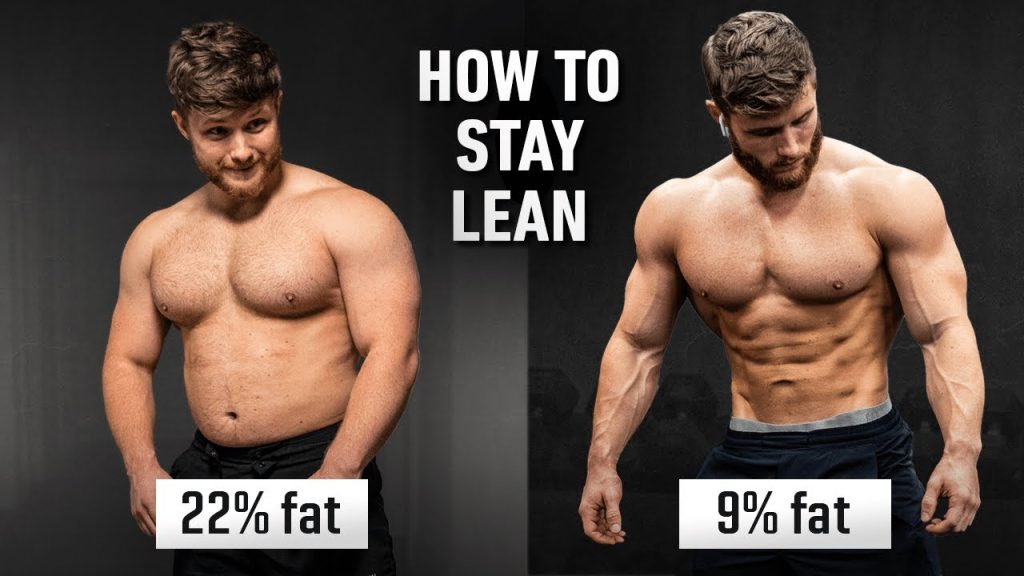
Video by Jeff Nippard on YouTube
Here’s something most men on GLP-1 medications aren’t told: the drug alone won’t make you fitter. A landmark 2026 randomized controlled trial published in Sports Medicine put this directly to the test, and the results were unambiguous. Researchers found that liraglutide alone did not improve cardiorespiratory fitness or physical functional performance — but when combined with a structured exercise program, participants saw an 8.6% improvement in stair climb performance and a 3.0 mL/min/kg increase in peak oxygen consumption compared to the medication-only group. The message is clear: GLP-1 medications are a powerful metabolic tool, but exercise is what actually makes your body perform better.
This matters enormously for men who are serious about their health. Whether you’re using a GLP-1 receptor agonist like semaglutide or liraglutide, dialing in your nutrition, or simply hitting the gym five days a week, the science consistently points in the same direction — structured physical training is non-negotiable for meaningful improvements in strength, fitness, and long-term metabolic health. The question isn’t whether to exercise. It’s how to do it strategically when GLP-1 medications are part of the picture.
What Happens to Your Body When Exercise and GLP-1 Work Together
The S-LITE trial, one of the most rigorous obesity intervention studies conducted in recent years, randomized adults with obesity to one of four conditions after an initial 8-week low-calorie diet: placebo, exercise alone, liraglutide alone, or the combination of both. Participants in the exercise groups trained at moderate-to-vigorous intensity — roughly 79% of maximum heart rate — for a median of 2.65 sessions per week totaling about 116 minutes weekly. That’s not an extreme training load. That’s two solid sessions and a shorter third session, week in and week out.
What happened to muscle strength is particularly instructive. Relative muscle strength — strength normalized to body weight — declined by 7.8% in the placebo group, but the combination of exercise and liraglutide actually improved it by 3.3%. This is the preservation problem that any man losing weight needs to understand. When you lose weight without training, you lose muscle along with fat. GLP-1 medications can accelerate weight loss, which means the risk of losing lean mass accelerates right along with it. Structured resistance and cardiovascular training is your defense against becoming lighter but weaker.
There’s another layer to this that most people miss entirely. A 2026 exploratory analysis from the same trial found that one year of exercise increased late-phase postprandial GLP-1 secretion by 37% — meaning that regular training actually amplifies your body’s own natural GLP-1 response to meals. The GLP-1 receptor agonists you inject or swallow are mimicking a hormone your gut already produces. Exercise makes your body produce more of it on its own. In the groups treated with GLP-1 receptor agonists, endogenous GLP-1 response didn’t change — but in the exercise group, appetite-regulating hormones improved significantly after just one year of consistent training. If you’re trying to maintain weight loss long-term, that biological shift in your hunger signaling could be the difference between keeping the weight off and regaining it.
How to Structure Your Training on a GLP-1 Exercise Plan
The practical framework here is straightforward, even if the execution requires consistency. Aim for two to three moderate-to-vigorous cardio sessions per week, keeping sessions in the 40-60 minute range at an intensity where conversation is difficult but not impossible — roughly 75-85% of your maximum heart rate. The S-LITE trial used this exact prescription and produced clinically meaningful improvements in VO2 peak and functional performance. Cycling, rowing, incline walking, and swimming are all effective options, particularly for men carrying extra weight who need to minimize joint stress early on.
Resistance training needs to run parallel to your cardio work, not replace it. Two full-body sessions per week, built around compound movements — squats, deadlifts, rows, presses — will preserve and build lean muscle tissue while your body weight drops. This is non-negotiable. The GBD 2023 analysis published in The Lancet identified high BMI as one of only three leading risk factors for which age-standardized attributable disease burden actually increased between 2010 and 2023, underscoring that fat loss paired with metabolic improvement — not just the number on the scale — is what drives real health outcomes. Muscle mass is central to that metabolic improvement. Losing 30 pounds while also losing significant muscle mass is not a health win.
On GLP-1 medications specifically, managing energy intake during training becomes more complex. Reduced appetite is the primary mechanism of these drugs, which is beneficial for fat loss but can work against adequate fueling for performance. Men training on GLP-1 medications should prioritize protein at every meal — targeting 1.6 to 2.2 grams per kilogram of body weight daily — and time their largest protein servings around their training sessions. Nausea is a common early side effect of GLP-1 medications, so scheduling intense training sessions away from your injection timing (typically the day after your weekly injection for once-weekly formulations) can make sessions more productive and more comfortable.
The reproductive health data from the S-LITE trial adds an additional layer of motivation for men. Men who lost weight and maintained that loss through either exercise or liraglutide maintained improvements in sperm concentration and sperm count over 52 weeks, while men who regained weight lost those gains. Weight loss alone improved sperm concentration by nearly 1.5-fold. The maintenance strategy — whether it was exercise, GLP-1 medication, or both — was what preserved those improvements. For men with fertility concerns, or those simply invested in overall hormonal health, this is meaningful data.
The AACE clinical practice guidelines for obesity management are equally direct on this point: The guidelines make clear that pharmacotherapy and lifestyle intervention work synergistically, and that treating obesity as a chronic disease requires sustained behavioral strategies — of which structured physical activity is primary.
The Takeaway
GLP-1 medications are genuinely effective for weight loss, and the research supporting them is solid. But the same research that validates these medications also makes the case for exercise with unusual clarity. Medications suppress appetite and drive weight loss. Exercise preserves muscle, improves cardiovascular fitness, strengthens your body functionally, boosts your own endogenous GLP-1 production, and protects your long-term metabolic health in ways no medication can replicate. Two to three cardio sessions and two resistance sessions per week, sustained consistently over months, is the protocol the science supports. Whether you’re on a GLP-1 medication or not, that training foundation is where the real transformation happens.
Scientific References
-
Jensen, Fiorenza, Juhl et al. (2026).
Physical Fitness with Exercise and GLP-1 Receptor Agonist Treatment Alone or Combined After Diet-Induced Weight Loss: A Secondary Analysis of a Randomized Controlled Trial in Adults with Obesity..
Sports medicine (Auckland, N.Z.).
View on PubMed → -
Garvey, Mechanick, Brett et al. (2016).
AMERICAN ASSOCIATION OF CLINICAL ENDOCRINOLOGISTS AND AMERICAN COLLEGE OF ENDOCRINOLOGY COMPREHENSIVE CLINICAL PRACTICE GUIDELINES FOR MEDICAL CARE OF PATIENTS WITH OBESITY..
Endocrine practice : official journal of the American College of Endocrinology and the American Association of Clinical Endocrinologists.
View on PubMed → -
Andersen, Juhl, Kjøller et al. (2022).
Sperm count is increased by diet-induced weight loss and maintained by exercise or GLP-1 analogue treatment: a randomized controlled trial..
Human reproduction (Oxford, England).
View on PubMed → -
Unknown Authors (2025).
Burden of 375 diseases and injuries, risk-attributable burden of 88 risk factors, and healthy life expectancy in 204 countries and territories, including 660 subnational locations, 1990-2023: a systematic analysis for the Global Burden of Disease Study 2023..
Lancet (London, England).
View on PubMed → -
Holt, Sandsdal, Byberg et al. (2026).
One Year of Exercise After Weight Loss Increases Postprandial GLP-1 Secretion in Contrast to Usual Activity or GLP-1 Receptor Agonist Treatment..
Obesity (Silver Spring, Md.).
View on PubMed →