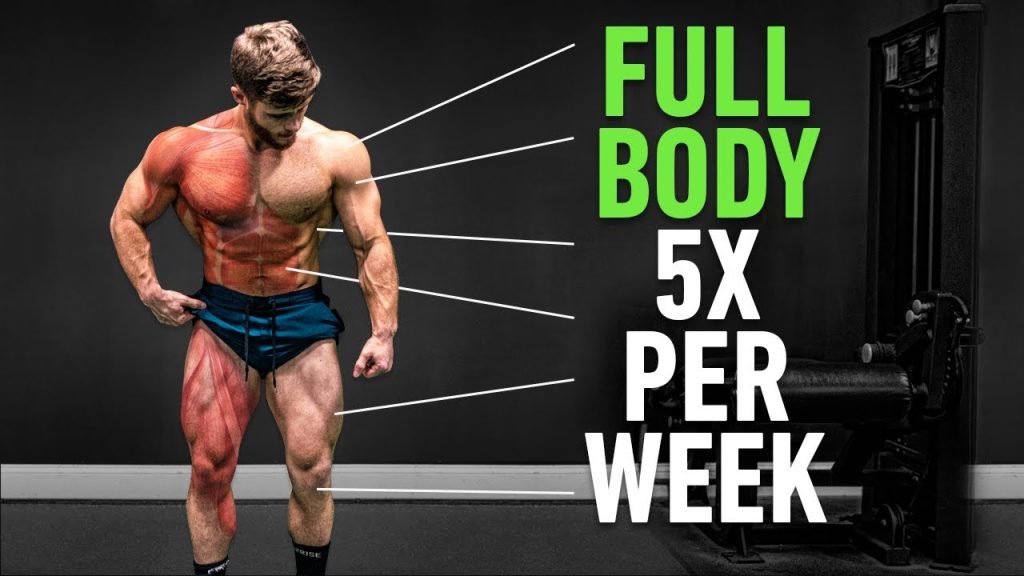
Video by Jeff Nippard on YouTube
Four weeks sounds like a marketing gimmick — until you look at the research. A 2017 study published in the Journal of Strength and Conditioning Research found that combining resistance training with a caloric deficit produced significant reductions in fat mass within as little as four weeks, while simultaneously preserving lean muscle tissue. That’s the real goal here: not just losing weight, but shifting your body composition toward something leaner and harder. The word “ripped” gets thrown around loosely, but what it actually means physiologically is lowering subcutaneous body fat while maintaining — or building — skeletal muscle. Four weeks won’t turn you into a bodybuilder, but it’s enough time to look and feel noticeably different if you execute with precision.
The foundation of any serious four-week transformation is a training structure that forces your body to burn fat as fuel while giving it a strong enough stimulus to hold onto muscle. That means combining compound resistance training with strategic cardiovascular work — not one or the other. Research published in the Journal of Applied Physiology demonstrated that concurrent training — resistance plus aerobic work — outperformed cardio alone for improving body composition in men. The key is sequencing: lift first, do your conditioning afterward, so glycogen depletion from strength work shifts your cardio session toward fat oxidation.
The Training Structure You’ll Follow
The most effective split for a four-week shred in the gym is a four-days-per-week upper/lower program with two dedicated conditioning sessions layered in. You’re training six days total with one full rest day. Upper days focus on pressing and pulling patterns — think barbell bench press, weighted pull-ups, dumbbell rows, and overhead pressing. Lower days rotate between squat-dominant and hip-hinge dominant sessions to ensure full posterior chain development and maximum caloric expenditure. Compound movements are non-negotiable here: multi-joint exercises activate significantly more muscle mass and elevate post-exercise oxygen consumption compared to isolation movements, meaning your body continues burning calories for hours after you leave the gym.
Rep ranges matter more than most men realize during a cut. Staying in the 6–10 rep range on your primary lifts signals your nervous system to retain strength and muscle even in a caloric deficit. Drop below that too often and you accumulate too much CNS fatigue. Go above 15 reps on every set and you risk signaling your body to prioritize endurance adaptations over muscle preservation. Supplement your compound work with accessory exercises in the 10–15 range — cable flyes, leg curls, lateral raises — to add volume without excessive systemic stress.
Your conditioning sessions — two per week, ideally on upper body days after lifting — should be high-intensity interval training rather than steady-state cardio. A meta-analysis in the British Journal of Sports Medicine confirmed that HIIT produces superior fat loss outcomes compared to moderate-intensity continuous training in shorter time frames. Fifteen to twenty minutes of work-to-rest intervals at 30 seconds on, 30 seconds off — using assault bike, rower, or sprints — is enough to drive the metabolic response you need without cannibalizing recovery.
What You Eat Will Determine What You See
Training is only half the equation. A four-week transformation stalls without a nutritional framework that creates a caloric deficit while protecting muscle protein synthesis. Aim for a moderate deficit of 400–600 calories below your total daily energy expenditure — aggressive enough to move the needle on fat, conservative enough to keep performance and muscle intact. Protein is the lever you cannot compromise: evidence consistently supports 1.6 to 2.2 grams of protein per kilogram of bodyweight during a cut to minimize lean mass loss. That translates to roughly 0.7–1 gram per pound of bodyweight for most men. Center every meal around a protein source first — chicken, eggs, beef, fish, Greek yogurt — then build the rest of the plate around vegetables and a moderate carbohydrate source timed around training.
Sleep is the recovery tool most men underestimate. Research from the University of Chicago found that cutting sleep from 8.5 to 5.5 hours reduced fat loss by 55% in subjects on a caloric-restricted diet — even with the same training and nutrition protocol. Seven to nine hours isn’t optional if visible results are the goal.
The Takeaway
Four weeks is a sprint, not a transformation myth. The men who see real results in this window are the ones who treat every variable — training intensity, protein intake, sleep quality, and recovery — as part of the same system. Lift heavy, condition smart, eat enough protein to protect your muscle, and sleep like your physique depends on it. Because over the next 28 days, it does.