In 2021, a landmark trial published in the New England Journal of Medicine made headlines around the world. Participants using semaglutide lost an average of 14.9% of their body weight over 68 weeks — a number that had previously been achievable only through bariatric surgery. But buried in the fine print of that study, and almost every GLP-1 trial that followed, was a detail that often gets overlooked: every participant also followed a reduced-calorie diet and increased their physical activity. The medication was the catalyst. What they ate was the engine.
If you’ve started Ozempic or semaglutide, or you’re simply optimizing your nutrition for serious fat loss, this guide exists to close the gap between what the drug can do and what your diet should be doing to support it. Because whether you’re injecting once a week or just committing to a smarter way of eating, the nutritional principles that drive sustainable weight loss are the same — and most men are still getting them wrong.
Why What You Eat on Ozempic Matters More Than Most People Think
Semaglutide works by mimicking GLP-1, a gut hormone that signals satiety to the brain, slows gastric emptying, and reduces appetite. The result is that most men eat significantly less — often without intending to. That sounds like a win, and in terms of caloric deficit, it is. But the problem that’s quietly emerging in clinical data is that when men eat dramatically less without a structured nutrition strategy, a significant portion of the weight they lose comes from muscle, not fat.
A 2022 analysis found that lean mass loss can account for up to 39% of total weight lost during aggressive caloric restriction without adequate protein intake or resistance training. For men over 40, this is particularly dangerous — muscle mass is directly tied to metabolic rate, insulin sensitivity, testosterone production, and long-term health outcomes. Losing it while the scale drops feels like progress. Physiologically, it’s a step backward.
This is why the Ozempic diet plan you follow matters as much as the medication itself. The goal isn’t just to eat less. It’s to eat smarter — preserving muscle, supporting metabolic function, managing the GI side effects that affect many users in the early weeks, and building an eating pattern you can sustain long after the prescription ends.
The foundation of any effective plan here is protein. Research consistently shows that higher protein intakes during caloric restriction protect lean mass. A controlled trial in the American Journal of Clinical Nutrition found that consuming 1.6 grams of protein per kilogram of body weight daily during a caloric deficit preserved significantly more muscle mass compared to lower protein intakes. For a 200-pound man, that’s roughly 145 grams of protein per day — a target that becomes harder to hit when Ozempic has suppressed your appetite to the point where you’re barely finishing a plate.
The practical strategy is to front-load protein in every meal, even when you’re not particularly hungry. Prioritize high-quality sources — lean beef, chicken breast, eggs, Greek yogurt, cottage cheese, salmon, and whey protein — and treat protein intake as a non-negotiable minimum rather than something you chase after carbs and fats are already on the plate. If nausea is a factor in the early titration phase, liquid protein sources like Greek yogurt smoothies, protein shakes, or bone broth tend to be better tolerated than solid meat.
Beyond protein, total calorie targets need to be calibrated carefully. Many GLP-1 users find themselves eating as few as 800–1,000 calories per day because the medication removes hunger cues almost entirely. While this accelerates short-term weight loss, it also triggers adaptive thermogenesis — the body’s metabolic slow-down response to severe restriction. Research from the famous Biggest Loser follow-up study demonstrated that severe caloric restriction can reduce resting metabolic rate by hundreds of calories per day, a suppression that persists long after the diet ends. Aiming for a moderate deficit of 500–750 calories below your TDEE (total daily energy expenditure) is a more sustainable and metabolically protective target, even if the medication makes eating even less feel effortless.
Building Your Actual Meal Structure: Macros, Foods, and Timing
Once protein targets are locked in, the next decision is how to structure carbohydrates and fats in a way that supports energy, hormones, and the specific digestive sensitivities that come with GLP-1 medications. Because semaglutide slows gastric emptying, high-fat meals — which already digest slowly — can significantly worsen nausea, bloating, and discomfort, particularly in the first 8–12 weeks of treatment. This doesn’t mean dietary fat should be eliminated, but it does mean meal composition needs to be thoughtful.
A practical framework that works well for most men on this protocol is a moderate-carbohydrate, high-protein, moderate-fat structure: roughly 35–40% of calories from protein, 30–35% from carbohydrates, and 25–30% from fat. This isn’t dogma — some men do better with lower carbs and higher fat once GI symptoms stabilize — but it provides a sensible starting point that avoids the compounding digestive issues of a high-fat diet layered on top of a medication that’s already slowing gut transit.
Carbohydrate quality matters significantly here. Research published in PLOS ONE confirmed that diets higher in fiber and lower in refined carbohydrates are associated with improved insulin sensitivity and reduced visceral fat — the metabolically active fat stored around the organs that drives cardiovascular and metabolic disease in men. Prioritizing complex carbohydrates — oats, sweet potatoes, legumes, brown rice, and vegetables — over refined grains and sugars achieves better blood sugar management and also adds the dietary fiber that supports gut microbiome health and helps with the constipation that some Ozempic users experience as a side effect of slowed digestion.
A realistic day of eating on this framework might look like: a morning meal of scrambled eggs with spinach and a small portion of oats, a midday meal of grilled chicken breast over roasted vegetables with a side of quinoa, an afternoon snack of Greek yogurt with berries if hunger allows, and an evening meal of baked salmon with sweet potato and asparagus. Simple, whole-food, protein-anchored — and specifically structured to avoid the high-fat, high-sugar combinations that are most likely to trigger GI distress.
Hydration deserves its own mention because it’s routinely underestimated on GLP-1 protocols. Reduced appetite means reduced food intake, which means many men are also unconsciously reducing the fluid they take in from food sources. Combined with reduced thirst signaling, this creates a real dehydration risk. Aiming for at least 2.5–3 liters of water daily, with additional electrolytes if you’re also training hard, is a practical minimum. Research has shown that adequate hydration directly supports metabolic rate and fat oxidation, which means it’s not just about GI comfort — it’s part of your fat loss strategy.
Alcohol is worth addressing directly because it’s one of the most common pitfalls for men on Ozempic who aren’t tracking carefully. GLP-1 medications appear to reduce alcohol cravings in many users — possibly through similar dopaminergic reward pathway mechanisms — but for those who do drink, the combination of reduced food intake and altered gastric emptying can significantly amplify alcohol’s effects. Beyond the immediate impairment risk, alcohol disrupts sleep architecture, elevates cortisol, suppresses testosterone, and adds empty calories that displace protein and micronutrient intake. If you’re serious about the outcome, alcohol needs to be treated as an occasional rather than habitual variable.
The Training Component You Cannot Outsource to a Medication
No diet plan for Ozempic — or any serious fat loss protocol — is complete without addressing resistance training, because the research on this is unambiguous. A meta-analysis published in Obesity Reviews found that combining caloric restriction with resistance training preserved significantly more lean mass than diet alone, even when total weight loss was similar. For men using GLP-1 medications, this finding is especially critical — because the drug handles the caloric equation, the training is what determines whether the weight you lose is fat or muscle.
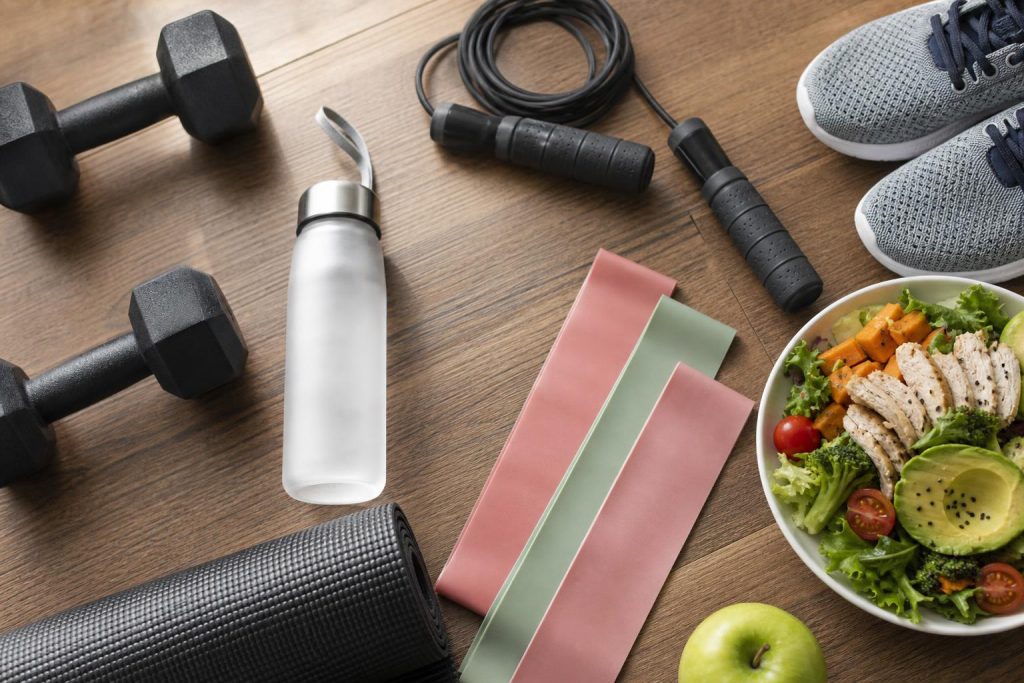
The minimum effective dose for muscle preservation during a caloric deficit is two to three resistance training sessions per week, targeting major muscle groups with progressive overload. This doesn’t require a complicated program. Compound movements — squats, deadlifts, rows, presses — stimulate the most muscle tissue and produce the greatest hormonal response. If gym access is limited, bodyweight progressions and resistance bands can maintain muscle to a meaningful degree, though free weights and machines produce more reliable hypertrophy stimulus.
One of the underappreciated benefits of maintaining or building muscle while on Ozempic is the effect on resting metabolic rate. Skeletal muscle is the most metabolically active tissue in the body. Research estimates that each pound of muscle burns approximately 6 additional calories per day at rest — which doesn’t sound dramatic in isolation but compounds significantly as muscle mass increases and as the body’s adaptive response to restriction is counteracted. Men who strength train through their GLP-1 protocol consistently report better energy levels, better body composition outcomes, and an easier transition when the medication is eventually discontinued or reduced.
Walking also deserves explicit mention because it’s the most underrated fat loss tool available to any man, regardless of where he is in his fitness journey. Research published in the Journal of Nutrition found that daily step counts are significantly and independently associated with reduced visceral adiposity in men. Targeting 8,000–10,000 steps per day is a goal that most men can realistically achieve and that meaningfully increases NEAT (non-exercise activity thermogenesis) — the calories burned through all daily movement outside of formal exercise. When appetite is suppressed and formal workouts feel demanding, a daily walk is a low-barrier, high-return habit that supports both fat loss and insulin sensitivity.
What This Means For You
The men getting the best results on Ozempic — the ones who are losing fat rather than muscle, maintaining their results, and building a healthier body for the long term — aren’t relying on the medication to do everything. They’re using it as leverage. The reduced appetite buys them the caloric deficit. The structured nutrition plan ensures that deficit is filled with protein and whole foods, not just less of whatever they were eating before. The training preserves the muscle that keeps their metabolism running efficiently. And the lifestyle habits — hydration, sleep, reduced alcohol, daily movement — create the environment where fat loss can actually stick.
If you came here looking for a PDF meal plan to download and follow, the honest answer is that no single PDF is going to outperform a genuine understanding of these principles applied consistently to your own life. But the framework is clear: hit your protein target every day without exception, eat whole foods that don’t aggravate GI symptoms, maintain a moderate rather than extreme caloric deficit, drink enough water, and lift weights at least twice a week. These aren’t Ozempic-specific recommendations. They’re the non-negotiable foundations of any serious body recomposition effort — and they work whether you’re on a GLP-1 medication, following a ketogenic protocol, training for strength, or simply committed to being the healthiest version of yourself.
The medication may change how hungry you feel. It doesn’t change the biology of what your body needs to thrive.