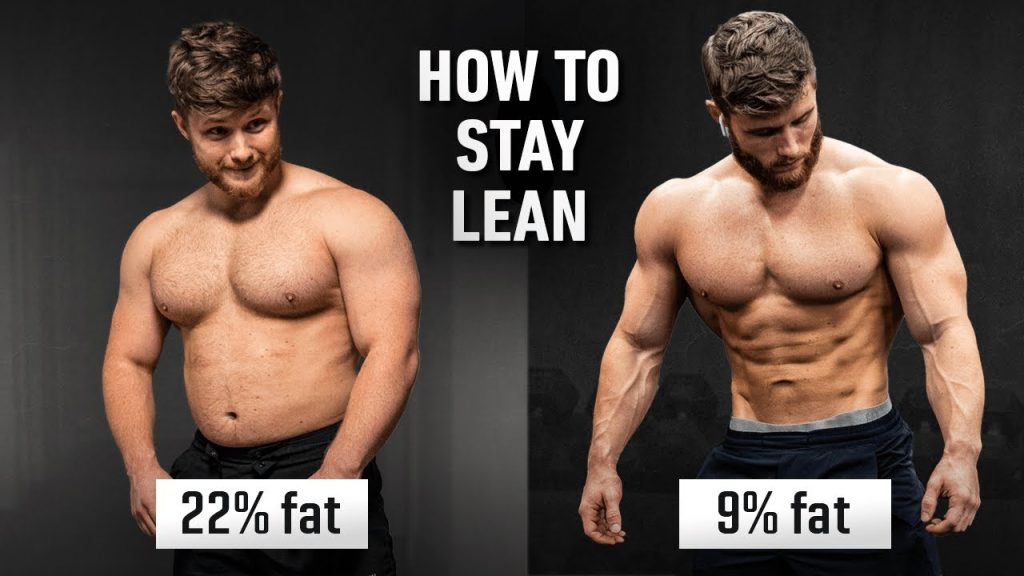
Video by Jeff Nippard on YouTube
When researchers at the Pennington Biomedical Research Center put tirzepatide through one of its most rigorous metabolic investigations to date, they found something that should change how every man on a GLP-1 medication thinks about food. The 2025 study published in Cell Metabolism confirmed that tirzepatide increased fat oxidation and reduced calorie intake during ad libitum meals — meaning the drug was actively shifting the body toward burning fat as a primary fuel source, not just suppressing hunger. That’s a significant finding, and it raises an important question most men never ask: if the medication is already doing this, what should your diet actually look like to maximize the result?
GLP-1 receptor agonists — including semaglutide (Ozempic, Wegovy) and tirzepatide (Mounjaro, Zepbound) — work by mimicking glucagon-like peptide-1, a gut hormone that slows gastric emptying, blunts appetite, and improves insulin sensitivity. They are powerful tools. But they are not a meal plan. The men seeing the best long-term outcomes are the ones who treat the medication as leverage, not as a substitute for intelligent eating. Whether you’re on a GLP-1, using diet alone, or combining both with serious training, the nutritional principles that drive sustainable fat loss are the same — and the research is increasingly clear about what they look like in practice.
Building a Meal Plan That Works With Your Metabolism, Not Against It
The foundation of any effective GLP-1 meal plan starts with understanding what these medications change in your physiology. Appetite suppression is the headline effect, but the more clinically meaningful shift is what happens to your macronutrient utilization. The Ravussin et al. data showed a measurable decrease in respiratory exchange ratio in tirzepatide-treated subjects, indicating a clear shift away from carbohydrate oxidation and toward fat burning. Your meal plan should reinforce this metabolic state, not fight it.
Protein is the non-negotiable anchor of any fat loss diet, and it becomes even more critical when appetite suppression enters the picture. Men on GLP-1 medications are eating significantly fewer calories — often 500 to 1,000 fewer per day — and if protein intake drops proportionally, muscle loss follows. Research consistently supports a target of 1.6 to 2.2 grams of protein per kilogram of bodyweight for men in a caloric deficit, with some data supporting the higher end for older men and those engaged in resistance training. On a practical level, this means every meal you do eat needs to be protein-first. A breakfast of two to three eggs with Greek yogurt, a lunch of grilled chicken or canned salmon over a large vegetable base, and a dinner centered on a substantial protein source — lean beef, turkey, fish — before adding complex carbohydrates or healthy fats. You’re not eating less protein because you’re less hungry. You’re eating strategically because the window is smaller.
Caloric density matters more on GLP-1 medications than in almost any other dietary context. When your stomach empties slowly and satiety signals are already amplified, you need foods that deliver the most nutritional value per bite. Processed foods, refined carbohydrates, and liquid calories become particularly counterproductive — not just because of their effect on blood sugar, but because they can displace the protein and fiber your body needs without triggering the satiety signals that make these medications effective. Men on GLP-1s who continue eating ultra-processed diets often report that their weight loss stalls or that they feel poorly despite being on medication. The drug lowered their appetite; it didn’t improve the quality of what they were eating.
A practical GLP-1 meal structure for fat loss might look like two to three moderate-sized meals per day with no snacking — a natural rhythm for many men since the medication reduces the urge to graze. Each meal should contain 35 to 50 grams of protein, a generous serving of non-starchy vegetables for fiber and micronutrient density, a modest portion of complex carbohydrates like sweet potato, oats, or legumes, and a small amount of healthy fat. Keep meals simple, whole-food based, and easy to repeat. The goal is not culinary creativity — it’s sustainable structure that your reduced appetite can comfortably accommodate without falling short on critical nutrients.
Long-Term Weight Maintenance Is the Real Challenge — Here’s What the Evidence Shows
The question most men don’t ask until they’re six months into treatment is what happens when the medication stops. It’s a fair concern, and the research offers a sobering but actionable answer. A 78-week randomized trial published in Clinical Nutrition in 2025 followed individuals who had lost substantial weight and then evaluated structured dietary strategies for maintaining that loss — including participants who had previously used GLP-1 agonists. The study found that a 5:2 total diet replacement approach, where participants used formula-based low-energy diets two days per week, significantly outperformed daily meal replacement strategies for sustained weight loss maintenance, with the 5:2 group maintaining greater losses and the control group showing weight regain. Crucially, results held even after excluding participants on weight loss medications — meaning the dietary structure itself was doing meaningful work.
This matters because it reframes how men should think about a GLP-1 meal plan. The medication creates an opportunity window — a period of reduced appetite, accelerated fat loss, and improved metabolic markers. The dietary habits built during that window determine what happens after. Men who use this period to genuinely restructure their relationship with food, meal frequency, and portion size build a durability that pharmaceutical intervention alone cannot provide. The 78-week data showed that structured, dietitian-supported dietary planning can maintain losses of over 15 kilograms at the 52 and 78-week marks — numbers that most medications alone struggle to sustain after discontinuation.
Practically, this means the meal plan you build while on GLP-1 medication should be designed to function — at slightly higher caloric intake — after you taper or stop. Don’t build a plan around 1,200 calories that you can only maintain because the drug kills your hunger. Build around 1,600 to 1,800 high-quality calories with strong protein and fiber targets, reasonable carbohydrate portions, and meal timing that fits your lifestyle. That plan can scale up slightly without causing weight regain, because the food quality and habits are intact.
Why Exercise Is the Missing Piece Most Men Overlook
No article about GLP-1 meal planning is complete without confronting the exercise question directly, because the data here is unambiguous and slightly inconvenient for men who want medication to do the heavy lifting. A 2026 secondary analysis published in Sports Medicine examined what happened when adults with obesity combined liraglutide treatment with a structured moderate-to-vigorous exercise program during weight maintenance. The results were stark: liraglutide alone did not improve physical fitness. Exercise alone produced meaningful gains in cardiorespiratory fitness and functional performance. And the combination of exercise plus medication produced the best outcomes across every fitness metric measured, including a clinically significant improvement in peak oxygen consumption and relative muscle strength.
The implications for your meal plan are direct. If you’re on a GLP-1 medication and not training, you are leaving significant results on the table — and you may be losing muscle alongside fat due to the caloric restriction the medication induces. Resistance training two to four times per week, combined with adequate protein intake as outlined above, is the primary defense against muscle loss during GLP-1-driven weight reduction. Adding moderate cardio — walking, cycling, rowing — three to five times per week amplifies fat loss and preserves metabolic rate.
There’s another dimension to the exercise and GLP-1 relationship that researchers are only beginning to fully appreciate. A 2026 exploratory analysis published in Obesity found that one year of regular exercise increased late-phase postprandial GLP-1 secretion by 37% compared to baseline — a statistically significant increase that was 25% greater than the usual activity group. In practical terms, exercise was training the gut to produce more of the appetite-suppressing hormone naturally. This has profound implications: men who build consistent exercise habits while on GLP-1 medications may be reinforcing their body’s own hormonal infrastructure, creating a biological foundation for appetite control that doesn’t depend on the medication indefinitely.
Your meal plan should account for training. On days you lift or perform higher-intensity cardio, increase carbohydrate intake modestly — adding 30 to 50 grams around your workout improves performance and recovery without undermining fat loss. On rest days, keep carbohydrates lower and fat slightly higher. This flexible approach, sometimes called carbohydrate periodization, aligns with the fat oxidation data from the tirzepatide research and allows your body to burn fat efficiently while still fueling quality training sessions.
The Takeaway
GLP-1 medications are among the most effective weight loss tools in modern medicine, but they are only as powerful as the dietary framework supporting them. The research is clear: these drugs increase fat oxidation, reduce appetite, and shift metabolic fuel utilization — but they do not build muscle, they do not teach sustainable eating habits, and they do not independently improve physical fitness. The men who achieve lasting transformation are the ones who use the reduced appetite window to build a genuinely high-quality diet centered on protein, whole foods, and fiber; who train consistently to preserve muscle and amplify the medication’s fat-burning effects; and who construct habits durable enough to outlast the prescription.
Whether you’re currently on a GLP-1 medication, considering one, or pursuing fat loss entirely through nutrition and training, the principles are the same. Eat mostly whole foods. Prioritize protein at every meal. Move your body with intention. Build structure that can survive a change in circumstances. The medication may accelerate the journey, but the destination is built from habits — and no prescription can write those for you.
Scientific References
-
Ravussin, Sanchez-Delgado, Martin et al. (2025).
Tirzepatide did not impact metabolic adaptation in people with obesity, but increased fat oxidation..
Cell metabolism.
View on PubMed → -
Brosnahan, Hankey, Leeds et al. (2025).
Diet strategies for maintaining substantial therapeutic weight loss: 78-week mixed methods randomised trial..
Clinical nutrition (Edinburgh, Scotland).
View on PubMed → -
Jensen, Fiorenza, Juhl et al. (2026).
Physical Fitness with Exercise and GLP-1 Receptor Agonist Treatment Alone or Combined After Diet-Induced Weight Loss: A Secondary Analysis of a Randomized Controlled Trial in Adults with Obesity..
Sports medicine (Auckland, N.Z.).
View on PubMed → -
Holt, Sandsdal, Byberg et al. (2026).
One Year of Exercise After Weight Loss Increases Postprandial GLP-1 Secretion in Contrast to Usual Activity or GLP-1 Receptor Agonist Treatment..
Obesity (Silver Spring, Md.).
View on PubMed → -
Lo, Lee, Tseng et al. (2022).
Daily transient coating of the intestine leads to weight loss and improved glucose tolerance..
Metabolism: clinical and experimental.
View on PubMed →