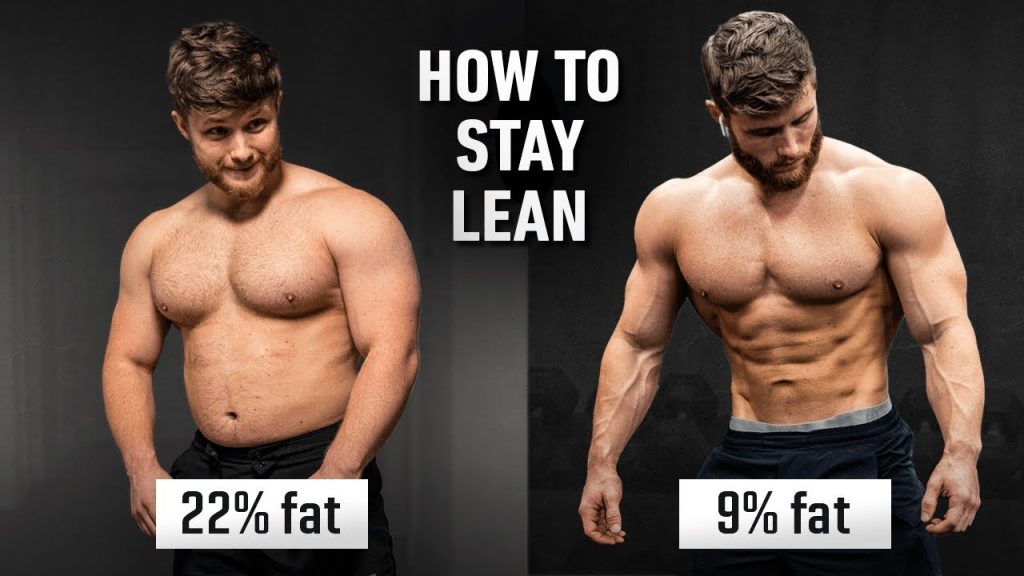
Video by Jeff Nippard on YouTube
Most men stepping into a workout routine — whether they’re on a GLP-1 medication like semaglutide or simply chasing fat loss and muscle the old-fashioned way — are missing a critical piece of the puzzle. They focus almost entirely on the scale, or the appetite, or the calories, and treat exercise as an afterthought. That’s a mistake, and the science is increasingly clear about why.
A 2025 randomized clinical trial published in the Journal of Research in Medical Sciences found that structured resistance training — even home-based — significantly influenced serum GLP-1 levels alongside measurable improvements in fasting blood glucose and cardiovascular capacity. the same hormone that injectable medications are designed to mimic. That’s not a small finding. It means your training program isn’t just burning calories — it’s actively shaping the hormonal environment that determines how your body processes food, regulates hunger, and stores or burns fat.
Whether you’re on a GLP-1 medication, eating clean and lifting four days a week, or somewhere in between, structuring your training with this biology in mind changes everything. Here’s how to build a workout program that works with your metabolic chemistry — not against it.
Why Exercise and GLP-1 Biology Are More Connected Than You Think
GLP-1, or glucagon-like peptide-1, is a hormone produced primarily in the gut and the brain. It’s released in response to food intake and plays a central role in insulin secretion, appetite regulation, and glucose metabolism. Pharmaceutical versions — semaglutide, tirzepatide, liraglutide — work by mimicking or amplifying this effect. But here’s what most people don’t realize: your body already produces GLP-1 naturally, and exercise appears to be one of the most powerful non-dietary tools for stimulating that release.
The 2025 study mentioned above is particularly interesting because it examined two different training modalities — home-based resistance training and leisure-time physical activity — and found both produced meaningful hormonal and metabolic changes over just eight weeks. Maximum oxygen consumption improved. Fasting glucose dropped. GLP-1 levels shifted. This wasn’t a pharmaceutical intervention. These were kids doing structured movement. Scale that physiology to a grown man with a real training program, adequate protein intake, and a caloric deficit, and you have an extraordinarily powerful metabolic lever to pull.
The practical implication is this: if you’re on a GLP-1 medication, exercise isn’t just a bonus — it’s a force multiplier. If you’re not on medication, a well-designed program can help drive similar metabolic benefits through your body’s own hormonal machinery. Either way, training matters more than most men give it credit for.
There’s also the muscle preservation question, which becomes especially critical for men using GLP-1 medications. Rapid weight loss — whether from caloric restriction or appetite suppression from a medication — carries a real risk of muscle loss alongside fat. Multiple studies have flagged this concern, and without a deliberate resistance training stimulus, a significant portion of the weight lost during GLP-1 therapy can come from lean mass. That undermines metabolic rate, functional strength, body composition, and long-term weight maintenance. A structured workout program isn’t optional for GLP-1 users. It’s essential.
How to Structure a GLP-1 Workout Program That Actually Works
The foundation of any effective program in this context is progressive resistance training. Not cardio. Not HIIT as your primary modality. Not endless walks on a treadmill. Lifting — structured, progressive, focused on compound movements — is the stimulus your muscles need to receive the signal to stay. When you’re in a caloric deficit, your body is looking for a reason not to cannibalize lean tissue. Heavy resistance training gives it that reason.
A practical structure for most men is three to four days of resistance training per week, built around the major movement patterns: squat, hip hinge, horizontal push and pull, and vertical push and pull. Think barbell squats or goblet squats, Romanian deadlifts, bench press or dumbbell press, bent-over rows or cable rows, overhead press, and pull-ups or lat pulldowns. These multi-joint movements recruit the most muscle mass, generate the highest metabolic demand, and produce the greatest hormonal response — including the downstream effects on insulin sensitivity that interact with GLP-1 biology.
Sets of six to twelve reps across three to four working sets per exercise, with enough weight to make the last two reps genuinely challenging, is the proven hypertrophy and strength-maintenance range. Progressive overload — adding a little weight or a rep or two each week — is what keeps the adaptation coming. Your body adapts quickly, and if the stimulus doesn’t increase, the results plateau. Track your lifts. It doesn’t need to be complicated; a notebook or a phone app works fine. What matters is that you’re moving the numbers upward over time.
For men on GLP-1 medications in particular, training intensity and volume need to be calibrated carefully. Reduced appetite can mean reduced calorie intake, which is the whole point — but it also means you may be training in a more depleted state than you realize. Starting with a moderate volume program and building up over weeks is smarter than trying to immediately match the volume of a well-fed athlete. Three days a week of full-body resistance training is an excellent starting point. You can add a fourth day or split into upper/lower once you’ve assessed your recovery and energy levels.
Cardio absolutely has a place, but its role here is supporting cardiovascular health, improving insulin sensitivity, and creating additional caloric expenditure — not serving as the primary driver of fat loss or muscle preservation. Two to three sessions of moderate-intensity cardio per week, each lasting 20 to 40 minutes, is a reasonable addition. Zone 2 cardio — the kind where you can hold a conversation but wouldn’t want to — is particularly well-supported for metabolic health, mitochondrial function, and fat oxidation. Walking, cycling, incline treadmill, rowing — the modality matters less than the consistency.
One practical note for GLP-1 medication users: nausea is a common early side effect, and training through significant nausea is both unpleasant and counterproductive. Schedule your workouts at times when you typically feel best — often in the morning for many men, before a dose, or several days post-injection when side effects have subsided. Hydration is also frequently underestimated on GLP-1 therapy, and even mild dehydration will tank your training performance. Prioritize water intake aggressively on training days.
Nutrition and Recovery: The Other Half of the Equation
Training is the stimulus. Nutrition is the environment in which the adaptation either happens or doesn’t. For men pursuing fat loss — medicated or not — protein intake is the most important nutritional variable to get right. Current evidence supports a target of roughly 0.7 to 1 gram of protein per pound of bodyweight per day for men in a caloric deficit who are resistance training. This higher protein intake serves three critical functions: it provides the amino acids necessary for muscle protein synthesis, it has the highest thermic effect of any macronutrient, and it supports satiety even when total calorie intake is reduced.
For men on GLP-1 medications, hitting protein targets can be genuinely challenging when appetite is suppressed and food volume feels overwhelming. The practical solution is to prioritize protein at every meal above all other macronutrients, and to use high-protein, lower-volume foods — Greek yogurt, cottage cheese, eggs, lean meats, protein shakes — when whole food volume is too much. A protein shake post-workout isn’t a workaround; it’s a legitimate and research-supported tool for hitting your daily needs.
Sleep and recovery deserve more attention than they typically receive in fitness content. Sleep deprivation — even a few nights of poor sleep — impairs muscle protein synthesis, elevates cortisol, disrupts insulin sensitivity, and increases appetite through ghrelin dysregulation. If you’re training hard and eating well but sleeping six hours or less, you’re running uphill. Seven to nine hours is the physiological target for most adults, and getting there consistently will improve your body composition results more than most supplements or training tweaks ever could.
Stress management follows a similar logic. Chronic psychological stress elevates cortisol, which directly opposes the anabolic signaling your training is trying to create. Breathing practices, time outdoors, limiting alcohol, and managing work load aren’t soft lifestyle suggestions — they’re metabolic interventions that interact with the same hormonal pathways you’re trying to optimize.
The Takeaway
The most effective GLP-1 workout program isn’t a specific app or a rigid template — it’s a coherent strategy built around progressive resistance training, adequate protein, sustainable cardio, and smart recovery. If you’re using a GLP-1 medication, training is the essential co-intervention that protects your muscle mass, amplifies your metabolic outcomes, and determines what your body looks like when the weight is gone. If you’re not on medication, structured training is one of the most powerful tools you have for shifting the very hormonal environment that regulates hunger, glucose, and fat storage.
The 2025 trial showing that exercise independently influences GLP-1 levels is a reminder that the body is a system, not a collection of isolated problems. You don’t have to choose between medication and training, or between cardio and lifting. The most powerful results come from using all the levers intelligently — and a well-designed workout program is one of the most important levers any man has access to, regardless of where he’s starting from.
Scientific References
-
Nazari, Minasian, Hovsepian et al. (2025).
Impact of an 8-week home-based resistance training and leisure-time physical activity on serum glucagon-like peptide-1 and microRNA-192 levels in children with type 1 diabetes: A randomized clinical trial..
Journal of research in medical sciences : the official journal of Isfahan University of Medical Sciences.
View on PubMed →