When semaglutide and tirzepatide started making headlines for dramatic weight loss numbers — 15%, 20%, even higher in some trials — the conversation focused almost entirely on fat. What got far less attention was what else was being lost alongside it. A 2026 review in Acta Diabetologica confirmed what many clinicians were quietly observing: weight reduction with GLP-1 receptor agonists is consistently accompanied by a measurable decrease in lean body mass, raising serious concerns for patients already at risk of muscle wasting. This isn’t a reason to avoid these medications — they carry genuine, well-documented benefits. But it is a reason to treat muscle preservation as a non-negotiable part of your protocol, not an afterthought.
The scale of the problem deserves honest framing. Research published in Current Opinion in Clinical Nutrition and Metabolic Care found that up to 40% of total weight lost on GLP-1 receptor analog therapy can come from fat-free mass — which includes skeletal muscle. Meanwhile, a major 2024 analysis in Metabolism: Clinical and Experimental noted that over 25% of total weight lost through both bariatric surgery and pharmacotherapy typically comes from fat-free mass, with risks of subsequent sarcopenic obesity — a condition where you’re simultaneously under-muscled and over-fat, which is arguably worse for metabolic health than obesity alone. If you’re going to invest the time, cost, and effort into GLP-1 therapy, letting your muscle mass erode in the process is a critical mistake that can follow you long after the medication is gone.
Why GLP-1 Medications Create a Muscle-Loss Environment
Understanding why muscle loss happens on these medications makes it easier to counter it deliberately. GLP-1 receptor agonists work by slowing gastric emptying, enhancing satiety through direct effects on hypothalamic nuclei, inhibiting glucagon secretion, and promoting glucose-mediated insulin release, according to research on GLP-1 receptor agonists published in The New England Journal of Medicine. The result is a powerful reduction in appetite — which is exactly what drives weight loss. But that same appetite suppression makes it extremely easy to under-eat protein and overall calories to a degree that triggers muscle breakdown.
When caloric intake drops sharply without sufficient protein or physical stimulus to maintain muscle tissue, the body enters a catabolic environment. Skeletal muscle becomes a fuel source. This process is compounded in people with obesity, diabetes, or metabolic dysfunction, where chronic inflammation, mitochondrial dysfunction, and altered protein metabolism already make them particularly vulnerable to sarcopenia. Loss of muscle mass doesn’t just affect how you look — it worsens insulin resistance, slows your resting metabolic rate, impairs mobility, and increases cardiovascular mortality risk. The NEJM review specifically flagged that questions remain about the functional implications of muscle and bone loss on GLP-1 therapy, underscoring that this is an active clinical concern, not a hypothetical one.
There’s also the myostatin-activin-follistatin axis to consider. Research in Metabolism highlights that during states of negative energy balance — which is exactly what GLP-1 therapy induces — activins and myostatin promote muscle degradation, while follistatin works to inhibit their activity and preserve lean mass. This hormonal tug-of-war is happening inside your body every day you’re in a caloric deficit, and without the right nutritional and training inputs, the degradation side tends to win.
The Non-Negotiable Role of Protein and Resistance Training
If there’s one intervention backed by the broadest consensus across all the research on this topic, it’s the combination of adequate protein intake and resistance training. A 2025 joint advisory from the American College of Lifestyle Medicine, the American Society for Nutrition, the Obesity Medicine Association, and The Obesity Society — published in Obesity (Silver Spring) — explicitly calls out preserving muscle and bone mass through resistance training and appropriate diet as a core priority during GLP-1 use. This is not a minor footnote in that document. It’s listed alongside managing gastrointestinal side effects and preventing nutrient deficiencies as one of the central management priorities.
The protein target matters enormously here. When appetite is suppressed — sometimes to the point where men are eating 1,000 to 1,200 calories per day without trying — hitting adequate protein becomes genuinely difficult. Most evidence in the muscle preservation literature supports a minimum of 1.2 to 1.6 grams of protein per kilogram of body weight per day during active weight loss, with some researchers arguing for higher targets in older men or those with greater obesity. At these caloric levels, protein needs to be a priority at every meal, not a secondary thought. High-quality sources — eggs, lean meats, fish, Greek yogurt, cottage cheese — should anchor the plate, with carbohydrates and fats filling in around them rather than the reverse.
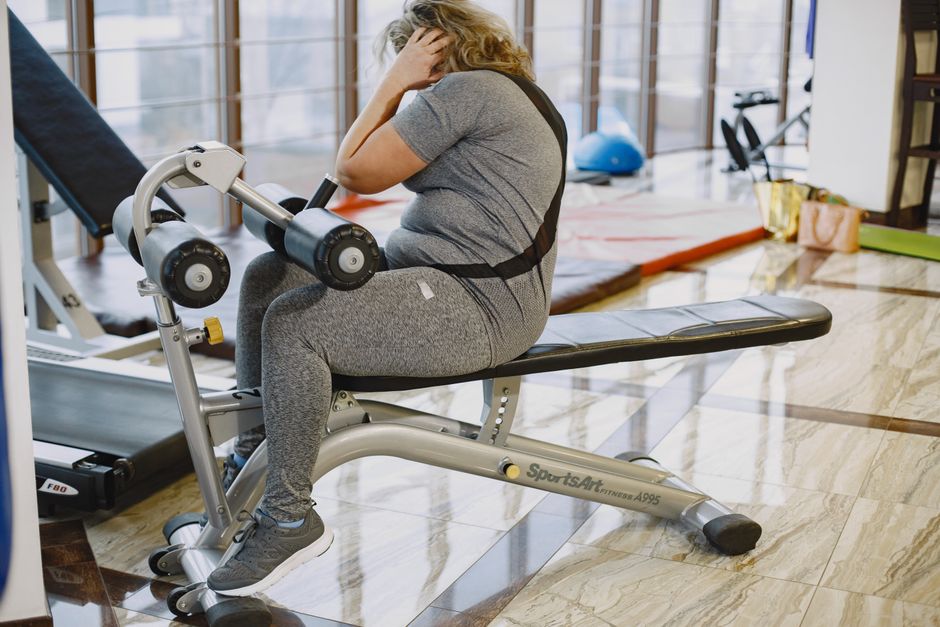
Resistance training functions as the physiological signal that tells your body to hold onto muscle despite the caloric deficit. Without that stimulus, even adequate protein intake may not be sufficient to fully counteract the catabolic effects of severe calorie restriction. The recommendation here is straightforward: two to four sessions per week of progressive resistance training, prioritizing compound movements — squats, deadlifts, rows, presses — that recruit large muscle groups and generate the most anabolic stimulus per unit of effort. You don’t need to be in a gym five days a week, but you do need to be lifting with consistent intensity. The research is unambiguous on this point: resistance training and adequate protein intake are the primary strategies to mitigate muscle loss during GLP-1 therapy, even if the evidence base for their combined efficacy in this specific population is still growing.
Walking and aerobic activity remain valuable for cardiovascular health and overall metabolic function, and the joint advisory recommends lifestyle assessment including aerobic activity as part of baseline evaluation. But aerobic exercise alone does not provide the mechanical loading signal that muscle tissue requires to avoid atrophy. If you have limited training time, prioritize resistance work and treat cardio as a complement rather than a substitute.
Nutritional Supplements and Emerging Pharmacological Strategies
Beyond foundational protein intake, several specific nutrients have emerged as potentially useful adjuncts for muscle preservation during pharmacological weight loss. The Current Opinion in Clinical Nutrition review identifies branched-chain amino acids, creatine, leucine, omega-3 fatty acids, and vitamin D as compounds that may provide benefit when diet and resistance training alone are insufficient to maintain muscle mass.
Creatine monohydrate deserves particular attention. It is among the most well-researched sports nutrition supplements in existence, with robust evidence for improving strength, power output, and lean mass retention during resistance training. For men on GLP-1 medications who are training regularly, 3 to 5 grams per day of creatine monohydrate is a low-cost, low-risk addition that can meaningfully support training performance and muscle preservation. Leucine — one of the branched-chain amino acids — plays a specific role in activating the mTOR signaling pathway, which is the primary intracellular trigger for muscle protein synthesis. Ensuring leucine-rich protein sources at each meal (meat, dairy, eggs) or supplementing with leucine directly around training may help tip the protein synthesis-degradation balance in the right direction.
Omega-3 fatty acids, particularly EPA and DHA from fish oil, have demonstrated anti-inflammatory effects and some direct evidence for supporting muscle protein synthesis, which is particularly relevant given that chronic inflammation is one of the key mechanisms driving muscle wasting in people with metabolic disease. Vitamin D deficiency is common in men with obesity and has been associated with reduced muscle strength and function — ensuring adequate vitamin D status through sun exposure, diet, or supplementation is a simple but frequently overlooked priority.
On the pharmacological frontier, compounds like bimagrumab, trevogrumab, and garetosmab — which inhibit myostatin and activin signaling — are showing real promise. The Metabolism analysis notes that these agents have demonstrated the ability to prevent muscle loss while promoting fat loss, and when combined with incretin receptor agonists, may offer a meaningful solution for improving body composition during significant weight loss. These are not yet standard clinical options, but they represent where the field is moving, and for men who are particularly concerned about sarcopenia — older adults, those with pre-existing low muscle mass, or those pursuing very aggressive weight loss targets — they may become relevant in the near future.
It’s also worth flagging the nutritional deficiency risk that the joint advisory emphasizes. Caloric restriction of the magnitude GLP-1 medications can produce often leads to inadequate intake of micronutrients — magnesium, zinc, B vitamins, iron — that support energy production, hormonal function, and overall recovery. A comprehensive multivitamin or targeted micronutrient repletion based on bloodwork is a reasonable baseline for any man on these medications who is significantly reducing food intake.
The Takeaway
GLP-1 medications represent a genuine advance in obesity treatment, with documented benefits for weight, cardiovascular risk, and glycemic control. But the research is equally clear that they create conditions in which muscle loss is a predictable and clinically significant risk — one that can undo much of the metabolic benefit you’re working toward if left unaddressed. The solution isn’t complicated, but it requires intentionality. Prioritize protein at every meal, making it the organizing principle of your diet rather than an add-on. Lift weights consistently and with progressive intensity, treating it as medicine rather than optional exercise. Consider evidence-backed supplements like creatine and omega-3s as adjuncts to — not replacements for — those foundational habits. Get bloodwork done, know your baseline body composition, and monitor changes over time rather than relying solely on the scale. The number going down means nothing if what’s being lost is the metabolic engine that keeps you healthy for decades to come.
Scientific References
-
Mozaffarian, Agarwal, Aggarwal et al. (2025).
Nutritional priorities to support GLP-1 therapy for obesity: A joint Advisory from the American College of Lifestyle Medicine, the American Society for Nutrition, the Obesity Medicine Association, and The Obesity Society..
Obesity (Silver Spring, Md.).
View on PubMed → -
Rosen, Ingelfinger et al. (2026).
GLP-1 Receptor Agonists..
The New England journal of medicine.
View on PubMed → -
Rossi, Bucciarelli, Mananguite et al. (2026).
Muscle loss and GLP-1R agonists use..
Acta diabetologica.
View on PubMed → -
Stefanakis, Kokkorakis, Mantzoros et al. (2024).
The impact of weight loss on fat-free mass, muscle, bone and hematopoiesis health: Implications for emerging pharmacotherapies aiming at fat reduction and lean mass preservation..
Metabolism: clinical and experimental.
View on PubMed → -
Chavez, Carrasco Barria, León-Sanz et al. (2025).
Nutrition support whilst on glucagon-like peptide-1 based therapy. Is it necessary?.
Current opinion in clinical nutrition and metabolic care.
View on PubMed →