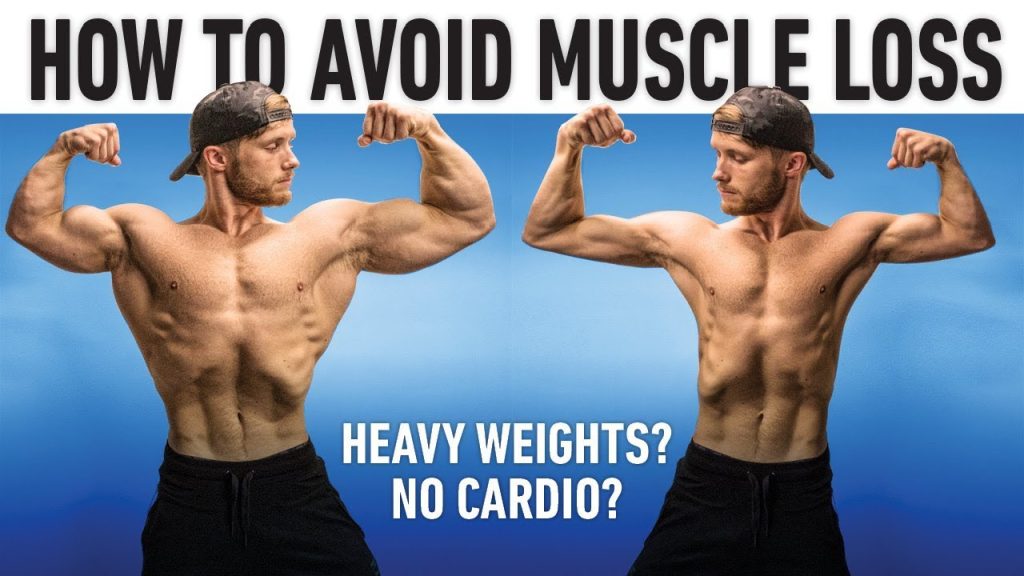
Video by Jeff Nippard on YouTube
Here’s a number that should get every man’s attention: in clinical trials of semaglutide, participants lost an average of 15% of their body weight — but roughly 40% of that weight came from lean mass, not fat. That’s muscle, bone mineral, and organ tissue walking out the door alongside the belly fat you were targeting. For men on GLP-1 receptor agonists like semaglutide or tirzepatide, this isn’t a minor footnote. It’s a physiological reality that demands a direct response — and that response is progressive strength training.
GLP-1 medications have earned their reputation. They suppress appetite through central nervous system signaling, slow gastric emptying, and improve insulin sensitivity in ways that make caloric restriction dramatically easier to sustain. For men who’ve struggled with metabolic dysfunction, insulin resistance, or decades of failed diets, these drugs represent a genuine breakthrough. But the medication creates a caloric deficit — it doesn’t tell your body what to do with that deficit. Without the right training stimulus, your body defaults to the path of least resistance: burning both fat and muscle for fuel. Strength training is the intervention that changes that equation.
The Science of Muscle Loss During Caloric Restriction
Muscle loss during aggressive weight loss isn’t unique to GLP-1 users. It’s a well-documented consequence of any significant caloric deficit. Research published in the American Journal of Clinical Nutrition demonstrated that without resistance exercise, individuals on calorie-restricted diets lost substantial lean mass regardless of protein intake. The body treats muscle as a metabolic liability when it perceives scarcity — and a GLP-1-driven 500 to 1,000 calorie daily deficit absolutely registers as scarcity.
The stakes are particularly high for men because skeletal muscle is the largest glucose-disposal organ in the body. More muscle means better insulin sensitivity, a higher resting metabolic rate, and stronger long-term weight maintenance. A study in Obesity Reviews confirmed that men who preserved lean mass during weight loss showed significantly better metabolic outcomes at two-year follow-up compared to those who lost equal weight but with higher muscle loss. Chasing the scale number without protecting the muscle underneath is a losing strategy — literally.
Progressive resistance training counters this by sending a direct anabolic signal to muscle tissue. When you create mechanical tension through compound lifts, you activate mTOR pathways and stimulate muscle protein synthesis. Your body, now receiving both a catabolic signal from reduced calories and an anabolic signal from training, preferentially mobilizes fat while protecting muscle — provided protein intake is adequate. This is not a minor effect. A meta-analysis in the British Journal of Sports Medicine found that resistance training during caloric restriction preserved significantly more lean mass than aerobic exercise alone, making it the non-negotiable anchor of any intelligent body recomposition strategy.
How to Structure Strength Training While on GLP-1
The practical challenge for men on semaglutide or tirzepatide is that appetite suppression — the drug’s primary benefit — also tends to reduce the drive to eat enough protein and calories to support training recovery. Nausea, early satiety, and food aversion are common in the first weeks on these medications. This creates a paradox: the window where you’re eating the least is also when your muscles most need nutritional support.
The solution starts with protein prioritization. Research from the Journal of the American Medical Association and subsequent meta-analyses consistently support targeting 1.6 to 2.2 grams of protein per kilogram of body weight for men in a caloric deficit engaged in resistance training. On days when GLP-1 side effects suppress appetite, protein shakes, Greek yogurt, cottage cheese, and eggs become essential tools — not because they’re optimal, but because they’re calorie-efficient and easy to consume when a full meal feels impossible.
For training structure, three to four full-body or upper/lower split sessions per week built around compound movements — squats, deadlifts, bench press, rows, overhead press — provide the mechanical stimulus needed to preserve and even build muscle during a deficit. This isn’t about training harder to burn more calories. GLP-1 is already handling the deficit. The training stimulus is specifically about muscle retention, so chasing intensity over volume is the right instinct. Research in the Journal of Strength and Conditioning Research supports training to or near muscular failure in the 6 to 15 rep range as particularly effective for hypertrophy and lean mass preservation in trained men.
Recovery deserves more attention than most men give it, especially on reduced caloric intake. Sleep is where growth hormone peaks and muscle repair happens. Studies have shown that sleep deprivation during caloric restriction dramatically increases the proportion of lean mass lost — nearly doubling it in some protocols. If you’re eating less, you need to sleep more, not less. Seven to nine hours isn’t a luxury when you’re in a deficit; it’s a physiological requirement for maintaining the muscle you’re fighting to keep.
One practical note on timing: many men on GLP-1 medications find training performance is better earlier in the day when nausea is typically lower and pre-workout nutrition is easier to manage. A small amount of protein — even 20 to 30 grams from a shake — consumed 60 to 90 minutes before training can meaningfully support muscle protein synthesis without triggering GI distress. Post-workout, prioritizing protein within two hours of training remains valuable, though research suggests the total daily protein target matters more than the exact timing window for most men.
It’s also worth noting that the benefits of combining GLP-1 therapy with resistance training extend beyond aesthetics. Emerging data from the SELECT trial and related analyses suggest that GLP-1 agonists reduce cardiovascular events — and strength training independently improves cardiac function, reduces blood pressure, and lowers visceral adiposity. The combination produces compounding benefits that neither approach achieves alone. Men who are using medication as a tool to reclaim their health have an extraordinary opportunity to accelerate that process by pairing it with intelligent training.
What This Means For You
GLP-1 medications can genuinely change the trajectory of metabolic health for men who’ve struggled with weight for years. But they are a tool, not a complete strategy. The drug manages appetite and insulin signaling — it does not protect your muscle, maintain your metabolic rate, or build the physical foundation that makes long-term weight maintenance possible. That’s your job, and it gets done in the weight room.
If you’re on semaglutide or tirzepatide, treat strength training as part of the prescription — not an optional add-on. Hit your protein targets even when your appetite argues otherwise. Lift with progressive overload three to four days per week. Sleep like your physique depends on it, because it does. The men who come out of GLP-1 therapy looking and performing better than they ever have aren’t the ones who let the medication do all the work. They’re the ones who showed up to lift while the drug cleared the way.