Here is a number that should change how you think about GLP-1 weight loss: up to 45% of the weight lost on semaglutide can come from skeletal muscle, not fat. For a man who drops 40 pounds on Ozempic or Wegovy, that could mean 18 pounds of that loss is muscle — the metabolically active tissue responsible for your strength, insulin sensitivity, resting calorie burn, and long-term physical resilience. That is not a minor side effect. That is a fundamental threat to the very health outcomes the medication is supposed to improve.
This is not a reason to avoid semaglutide. For the right person, it remains one of the most powerful tools in modern obesity medicine. But it is a reason to approach GLP-1 therapy with a clear strategy — one grounded in resistance training, optimized protein intake, and emerging nutritional interventions that the research is only now beginning to validate. What follows is a science-backed breakdown of why muscle loss happens on semaglutide and, more importantly, exactly what you can do to prevent it.
Why Semaglutide Puts Your Muscle at Risk
To understand the problem, you need to understand how GLP-1 receptor agonists produce weight loss in the first place. Semaglutide works primarily by suppressing appetite through central nervous system signaling, slowing gastric emptying, and improving insulin secretion. The result is a significant reduction in caloric intake — which is precisely the mechanism that drives fat loss. The problem is that severe caloric restriction, regardless of its cause, creates a catabolic hormonal environment that does not discriminate cleanly between fat and muscle.
Research published in Metabolism: Clinical and Experimental by Stefanakis, Kokkorakis, Mantzoros and colleagues found that over 25% of total weight lost through both bariatric surgery and pharmacotherapy like GLP-1 receptor agonists typically comes from fat-free mass, including skeletal muscle. The authors identified a particularly important biological mechanism underlying this loss: dysregulation of the myostatin-activin-follistatin-inhibin system. In a state of negative energy balance, activins and myostatin — proteins that promote muscle degradation — become more active, while follistatin, which normally suppresses their muscle-wasting activity, becomes less effective at counteracting them. The net result is accelerated muscle breakdown at exactly the time when the body is already under nutritional stress.
A 2026 study published in the European Heart Journal adds another layer of complexity. describe the muscle loss seen with GLP-1 medications as multifactorial — driven not just by caloric restriction alone, but also by anabolic resistance and hormonal shifts that impair the body’s normal muscle-building and maintenance signals. Anabolic resistance means that even when protein is consumed, the muscle protein synthesis response is blunted compared to a metabolically healthy baseline. This is the same phenomenon observed in aging men and in individuals with obesity, which means some GLP-1 users may be starting from a disadvantaged position before the medication even enters the picture.
The downstream consequences of this muscle loss are not trivial. The Metabolism paper’s authors specifically flag the risk of sarcopenic obesity — a condition in which a person has simultaneously low muscle mass and excess fat, which is arguably worse for long-term metabolic health than obesity alone. Sarcopenic obesity is associated with impaired physical function, reduced resting metabolic rate, greater insulin resistance, and increased cardiovascular risk. In other words, if you lose significant muscle mass while losing fat on semaglutide, you may undermine the very cardiovascular and metabolic benefits the drug is designed to deliver.
The Evidence-Based Playbook for Protecting Muscle on Semaglutide
The good news is that muscle loss during GLP-1 therapy is not inevitable. It is a risk that can be substantially mitigated through a targeted combination of resistance training, dietary protein optimization, and — based on emerging preclinical evidence — specific nutritional supplementation strategies. These are not vague lifestyle recommendations. They are evidence-grounded interventions with mechanistic rationale behind each one.
Resistance training is the single most well-supported intervention for preserving skeletal muscle during pharmacologic weight loss. The European Heart Journal review explicitly identifies resistance training as the currently recommended strategy for preserving skeletal muscle and functional capacity during pharmacologic weight loss. The mechanism is straightforward: mechanical loading of muscle tissue creates a direct anabolic stimulus that counteracts the catabolic signals driven by caloric restriction. Resistance training upregulates muscle protein synthesis pathways, stimulates satellite cell activity for muscle repair, and helps maintain the neuromuscular connections that preserve functional strength. For men on semaglutide, this means treating the gym not as optional but as a clinical requirement of the therapy itself. Two to four sessions per week of compound, multi-joint resistance training — squats, deadlifts, rows, presses — provides the stimulus needed to defend lean mass. The sessions do not need to be heroic given the reduced caloric availability, but they need to be consistent and progressive.
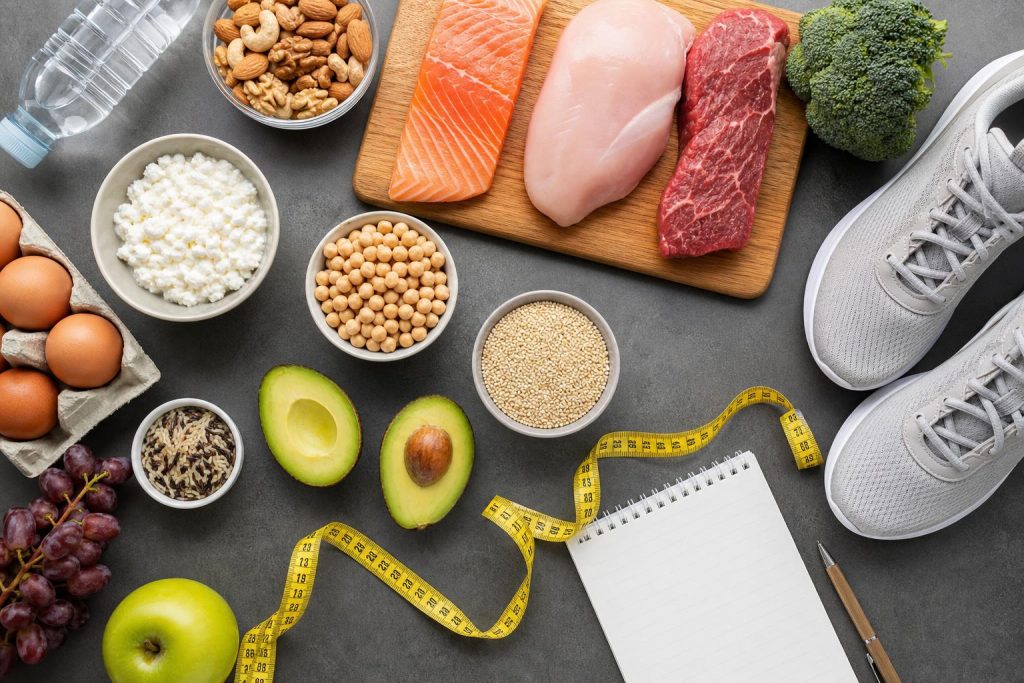
Protein intake is equally non-negotiable, and the research is specific about the targets. A 2025 consensus commentary in Obesity Pillars — synthesizing evidence presented at the 42nd International Symposium on Diabetes and Nutrition — recommends achieving protein intakes above 1.2 grams per kilogram of body weight per day, distributed evenly across meals, as a strategy for preserving lean mass during GLP-1 therapy. This is particularly important context for semaglutide users, because appetite suppression can dramatically reduce total food intake. Men who previously ate 2,800 calories daily may find themselves comfortably eating 1,400 — which is a profoundly inadequate protein environment for muscle preservation unless they are deliberately and strategically prioritizing high-protein foods at every meal. Given that GLP-1 medications suppress hunger so effectively, it takes active effort to hit meaningful protein targets. Prioritizing lean protein sources — chicken, fish, Greek yogurt, eggs, cottage cheese, whey protein — at every eating occasion is not optional; it is the dietary foundation of a muscle-preserving GLP-1 protocol. For a 220-pound (100 kg) man, that means targeting at least 120 grams of protein per day, ideally spread across three to four meals rather than concentrated into one or two.
Beyond training and protein, one of the most compelling emerging findings in this space involves ketone supplementation. A 2026 study published in JCI Insight by Abuetabh, Schmidt, Naganuma and colleagues examined whether oral ketone ester supplementation could prevent semaglutide-induced muscle loss in obese, glucose-intolerant mice. The results were striking. Semaglutide monotherapy reduced lean mass, impaired muscle strength, and suppressed mitochondrial gene expression while elevating the expression of atrophy-related genes in skeletal muscle tissue. When a beta-hydroxybutyrate-generating ketone ester was co-administered alongside semaglutide, skeletal muscle mass and function were preserved — without any compromise to fat loss. The mechanistic explanation points to mitochondrial dysfunction as a key driver of GLP-1-induced muscle loss. When mitochondrial gene expression is suppressed, muscle cells lose their energy-producing efficiency, making them more vulnerable to atrophy signaling. Ketone esters appear to rescue this mitochondrial function and normalize the atrophy-gene profile. It is important to emphasize that this research was conducted in animal models, and the authors explicitly call for clinical trials to assess translational potential in humans. But the mechanistic logic is compelling, and ketone supplementation represents a genuinely novel and biologically plausible adjunct strategy worth following as the human data matures.
The broader pharmacological pipeline also offers reason for cautious optimism. Stefanakis and colleagues highlight a class of investigational compounds — including Bimagrumab, Trevogrumab, and Garetosmab — that directly inhibit myostatin and activin signaling, essentially targeting the molecular pathway that drives muscle catabolism during weight loss. Early trials of these agents, particularly Bimagrumab, have shown the ability to reduce fat mass while simultaneously increasing lean mass — a body composition effect that almost no other intervention can achieve simultaneously. When potentially combined with GLP-1 receptor agonists, these agents could theoretically produce dramatic improvements in fat loss while actively building muscle. This combination does not yet have regulatory approval for this indication, and the evidence base is still developing. But it signals an important directional shift in how obesity medicine may be practiced within the next decade — moving away from total weight loss as the primary endpoint and toward body composition quality as the defining therapeutic goal.
A 2025 review in Medicines by Ullah, Tamanna and colleagues reinforces this trajectory, noting that emerging triple-receptor agonists like retatrutide may offer enhanced muscle preservation compared to current GLP-1 monotherapy, while also flagging that the entire field must prioritize long-term cardiovascular outcome trials and proactively mitigate emerging risks including sarcopenia and joint degeneration. The message across the literature is consistent: pharmacotherapy alone is insufficient. A multidisciplinary approach combining medication with behavioral, nutritional, and exercise interventions is not a nice-to-have supplement to GLP-1 therapy — it is the clinical standard of care.
What This Means For You
If you are currently using semaglutide — or considering it — the most important reframe you can make is this: the medication handles appetite. You handle everything else. The drug will do its job of suppressing hunger and driving caloric reduction. Your job is to ensure that the weight coming off is predominantly fat, not muscle. That requires showing up to lift weights consistently, hitting your protein targets deliberately every single day, and staying vigilant about the quality of your diet even as your appetite makes it tempting to eat very little.
The science here is clear, the strategies are accessible, and the stakes are real. Muscle is not just aesthetic. It is metabolic currency — the tissue that determines your insulin sensitivity, your resting calorie burn, your physical resilience as you age, and your cardiovascular risk trajectory. Protecting it during GLP-1-driven weight loss is not an afterthought. It is the entire point of doing this right.
Scientific References
-
Stefanakis, Kokkorakis, Mantzoros et al. (2024).
The impact of weight loss on fat-free mass, muscle, bone and hematopoiesis health: Implications for emerging pharmacotherapies aiming at fat reduction and lean mass preservation..
Metabolism: clinical and experimental.
View on PubMed → -
Abuetabh, Schmidt, Naganuma et al. (2026).
Semaglutide-induced loss of skeletal muscle mass is blunted by co-administration of ketone esters..
JCI insight.
View on PubMed → -
Ullah, Tamanna et al. (2025).
Obesity: Clinical Impact, Pathophysiology, Complications, and Modern Innovations in Therapeutic Strategies..
Medicines (Basel, Switzerland).
View on PubMed → -
Khan, Dawood, Handelsman et al. (2026).
Fat, muscle, and anti-obesity medications in cardiovascular disease prevention..
European heart journal.
View on PubMed → -
Noronha, Van Gaal, Neeland et al. (2025).
Optimizing GLP-1 therapies for obesity and diabetes management..
Obesity pillars.
View on PubMed →