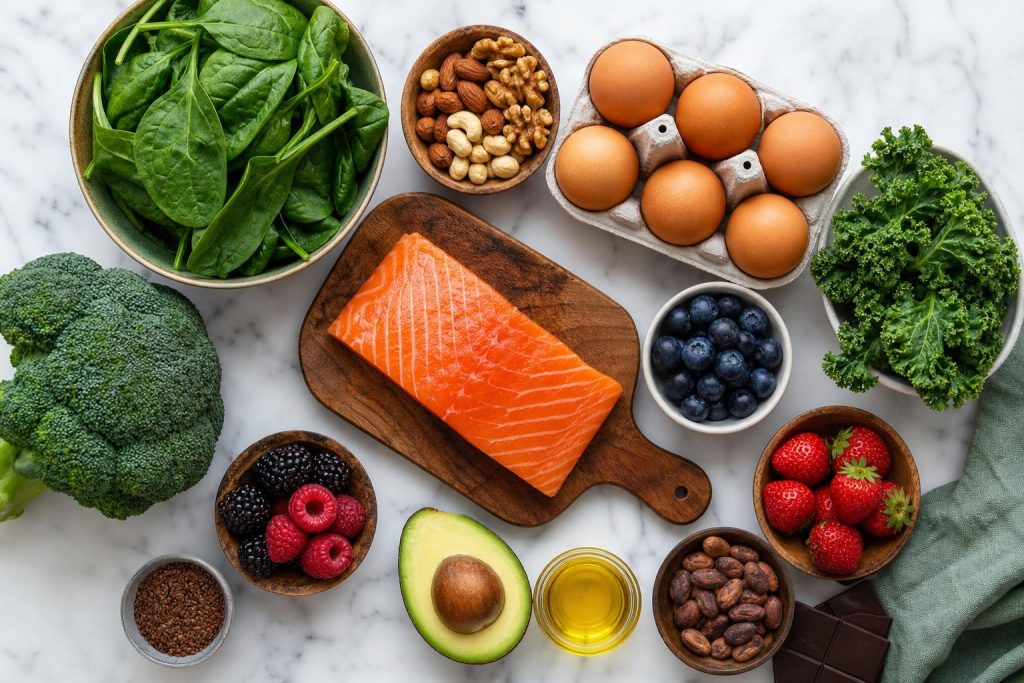
If you’re using GLP-1 medications like semaglutide or tirzepatide, or simply focused on optimizing metabolic health through diet, flavanol-rich foods deserve a prominent place on your plate. New research shows that flavanols—a class of plant compounds found in chocolate, tea, berries, and apples—may amplify the metabolic benefits you’re already pursuing, whether through medication or traditional nutrition and exercise.
A 2021 meta-analysis in the American Journal of Clinical Nutrition found that flavanol consumption was associated with improved insulin sensitivity and reduced fasting glucose levels, both key markers of metabolic health. For men using GLP-1s or pursuing fat loss and metabolic optimization, this matters.
This article breaks down the science of flavanols, which foods pack the highest concentrations, and how to strategically incorporate them into your nutrition plan—regardless of whether you’re on medication or managing health through food and training alone.
What Are Flavanols and Why They Matter for Metabolic Health
Flavanols are polyphenolic compounds found in plant-based foods. They’re members of the larger flavonoid family, but flavanols specifically have shown the strongest evidence for cardiovascular and metabolic benefits in human research.
The mechanism is straightforward: flavanols enhance endothelial function and improve blood flow by increasing nitric oxide production, which improves nutrient delivery, reduces inflammation, and supports healthy glucose metabolism. For men using GLP-1s—or any man focused on fat loss and muscle preservation—better vascular function means better nutrient partitioning and improved recovery.
Research published in Nutrients (2015) demonstrated that flavanols reduce oxidative stress and improve mitochondrial function, which is critical for energy production and metabolic efficiency. This is especially relevant if you’re in a caloric deficit for fat loss—flavanols help protect metabolic rate and preserve lean mass.
Key takeaway: Flavanols work through multiple pathways: improved insulin sensitivity, better blood flow, reduced inflammation, and enhanced cellular energy production. These benefits compound for men pursuing any metabolic health goal.
Top Flavanol-Rich Foods and Their Practical Concentrations
Not all plant foods contain equal amounts of flavanols. Here’s what the research shows about bioavailable sources:
Dark Chocolate (Most Studied)
Dark chocolate is the most researched flavanol source. A 2007 study in the Journal of the American College of Cardiology found that consuming 100g of dark chocolate with 70% cacao solids daily improved endothelial function within 2 weeks.
Practical protocol: Aim for 15-30g of dark chocolate (70% cacao or higher) daily. This provides approximately 150-300mg of flavanols and fits easily into a calorie-controlled diet. For GLP-1 users with reduced appetite, a small piece post-workout provides carbs and antioxidants without excess volume.
Green and Black Tea
Meta-analysis data show that regular green and black tea consumption (3+ cups daily) is associated with improved metabolic markers and reduced cardiovascular risk. A single cup of brewed green tea contains 25-50mg of flavanols.
Practical protocol: Consume 2-3 cups of brewed green or black tea daily. Steep for 3-5 minutes to maximize flavanol extraction. The caffeine also supports focus and fat oxidation during training. For GLP-1 users, tea is an excellent appetite suppressant that adds no calories.
Berries (Especially Blueberries)
While berries are lower in total flavanols than chocolate or tea, they’re nutrient-dense and accessible. Research shows blueberries contain approximately 100-150mg of total flavanols per 100g serving and have been shown to improve vascular function.
Practical protocol: Include a 100-150g serving of blueberries, blackberries, or raspberries 4-5 times weekly. Fresh or frozen—the flavanol content remains stable after freezing. Pair with protein (Greek yogurt, cottage cheese) to moderate blood sugar response.
Apples (Quercetin Source)
Apples are rich in quercetin, a flavanol subtype. A 2015 study found that quercetin consumption (from apples and apple skins) was associated with improved insulin sensitivity and reduced fasting glucose in overweight adults.
Practical protocol: Eat 1-2 medium apples daily, keeping the skin on (where most quercetin resides). A medium apple provides 4-12mg of quercetin and adds fiber, which is beneficial for satiety on GLP-1 or during caloric restriction.
Red Wine (Resveratrol)
Practical protocol: If you drink alcohol, prioritize red wine. One glass (5oz) daily fits a balanced approach and provides ~1-2mg resveratrol. Skip if in aggressive fat loss or on GLP-1 therapy (alcohol can worsen nausea).
Flavanol Timing and Integration With Your Training and Nutrition Plan
Flavanol bioavailability matters. Research shows that flavanol absorption is enhanced when consumed with fat and protein, and is reduced by high-temperature processing.
Pre and Post-Workout
Consume flavanol-rich foods around training for maximum benefit. The improved blood flow and nitric oxide production from flavanols supports nutrient delivery and recovery.
Example protocol:
- Pre-workout (1-2 hours before): Green tea (2 cups) + apple with almond butter
- Post-workout (within 1 hour): Dark chocolate (20g) + protein shake with blueberries
For GLP-1 Users
If you’re on GLP-1 medication, smaller, more frequent flavanol intake is often better tolerated than large meals.
Daily protocol:
- Morning: 2 cups green tea (50-100mg flavanols)
- Mid-morning: Apple with 1 tbsp almond butter (8mg flavanols)
- Post-workout: 20g dark chocolate + protein (150mg flavanols)
- Evening: Blueberry snack or herbal tea (100mg flavanols)
This distributes approximately 400-500mg total flavanols across the day without overwhelming reduced appetite capacity.
Flavanols, Muscle Preservation, and Fat Loss
A key concern for men on GLP-1s or in aggressive caloric deficits is muscle loss. Flavanols may help here. 2017 research in Nutrients suggests that flavanols reduce inflammation and oxidative stress—both of which accelerate muscle protein breakdown during caloric restriction.
Additionally, improved insulin sensitivity from flavanol consumption means better nutrient partitioning: more calories directed toward muscle protein synthesis and less toward fat storage.
Protocol for muscle preservation during fat loss:
- Maintain adequate protein intake (0.8-1g per pound of lean body weight)
- Consume 400-600mg flavanols daily from food sources
- Combine with resistance training 3-4x weekly
- Ensure adequate sleep (7-9 hours) to support recovery
The flavanols work synergistically with training and nutrition—they’re not a replacement for the fundamentals, but a multiplier.
Common Questions About Flavanols for Men’s Health
Can I Get Enough Flavanols From Supplements?
While flavanol supplements exist, research shows that whole food sources provide better bioavailability and synergistic compounds that isolated supplements cannot replicate. Prioritize food first; supplements second.
Do Flavanols Interact With GLP-1 Medications?
No significant interactions exist in the literature. However, if you’re on medication, discuss any major dietary changes with your prescriber. Flavanol-rich foods support the underlying metabolic improvements GLP-1s facilitate.
How Long Until I See Results?
Studies show measurable improvements in vascular function within 2-4 weeks of consistent flavanol consumption. However, metabolic changes and fat loss depend on overall caloric intake, training adherence, and sleep—flavanols are one piece.
What About Processing and Heat?
Heat degrades some flavanols, but not all. Brewed tea retains most of its flavanols. Dark chocolate is minimally processed. Fresh berries are ideal, but frozen are nearly equivalent. Focus on whole food sources rather than heavily processed versions.
Bottom Line: Flavanols as Part of a Complete Metabolic Strategy
Flavanol-rich foods—particularly dark chocolate, green tea, berries, and apples—provide science-backed metabolic benefits: improved insulin sensitivity, enhanced blood flow, reduced inflammation, and better mitochondrial function. For men using GLP-1 medications, pursuing fat loss, or simply optimizing health, these foods are practical, evidence-based additions to any nutrition plan.
The key is consistency and integration: 400-600mg of flavanols daily from whole food sources, distributed throughout the day, combined with adequate protein, resistance training, and good sleep. Flavanols amplify the work you’re already doing—they’re not a substitute for the fundamentals.
Start with one or two flavanol-rich foods you genuinely enjoy. Build the habit first, then expand. The research is clear: this works. The question is whether you’ll implement it.
Next Steps
Ready to optimize your nutrition further? Explore our complete guides on protein timing for muscle preservation during fat loss, GLP-1 medication and nutrition protocols, and metabolic health markers you should track. Your health is a system—flavanols are one lever among many.