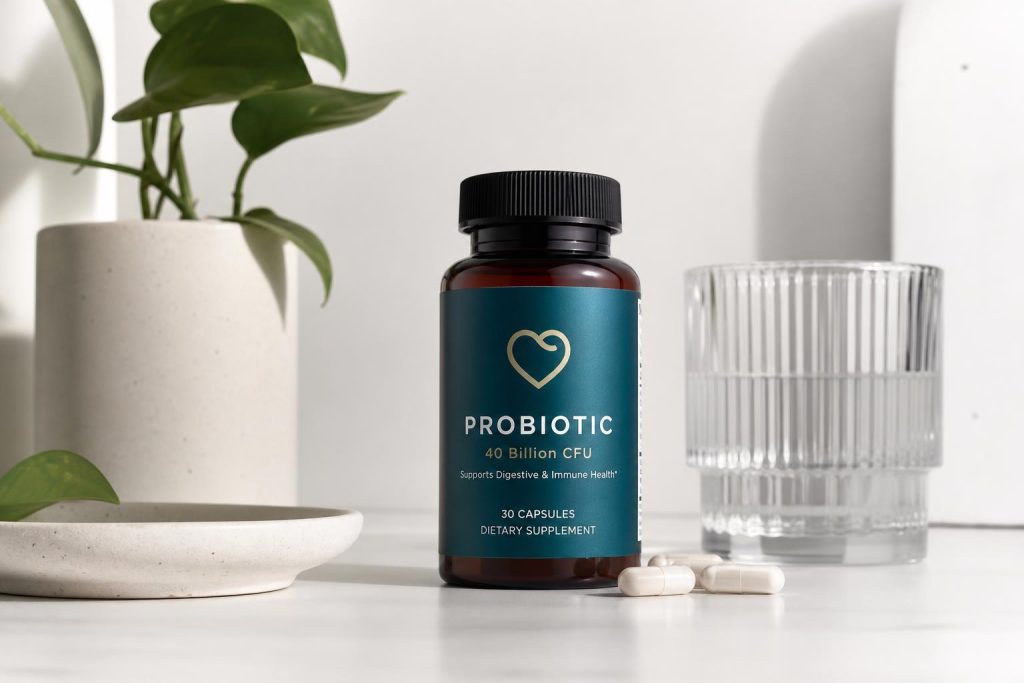
Your gut does a lot more than digest food. It regulates inflammation, influences metabolism, modulates appetite hormones, and even shapes how efficiently your body absorbs nutrients from the meals you work hard to optimize. And yet, most men treat gut health as an afterthought — something to address only when things go wrong. That’s a mistake the research is increasingly difficult to ignore.
A 2020 meta-analysis published in Nutrients found that probiotic supplementation significantly reduced BMI, body fat percentage, and waist circumference in overweight adults compared to placebo. These weren’t trivial changes driven by a single outlier study — the analysis pooled data from 27 randomized controlled trials. For men focused on fat loss, body composition, or metabolic health, that’s a signal worth paying attention to.
What Probiotics Actually Do — And Why Strain Specificity Matters
The probiotic market is cluttered with products making sweeping claims, but the science is clear on one thing: not all strains are created equal. Lactobacillus gasseri, for instance, has been specifically linked to visceral fat reduction in clinical trials. A Japanese study found that daily supplementation with L. gasseri SBT2055 led to a 8.5% reduction in visceral fat area over 12 weeks — the type of fat that wraps around organs and drives insulin resistance. Bifidobacterium longum and Lactobacillus rhamnosus have demonstrated benefits for insulin sensitivity and blood glucose regulation, both critical for anyone managing metabolic health or trying to lean out.
The mechanism matters here. Beneficial gut bacteria ferment dietary fiber into short-chain fatty acids (SCFAs) like butyrate, propionate, and acetate. These SCFAs signal satiety hormones, reduce gut permeability (the so-called “leaky gut” phenomenon), and dampen systemic inflammation. Research published in Cell Host & Microbe demonstrated that gut microbiome composition directly influences GLP-1 secretion — the gut-derived hormone responsible for appetite regulation and glucose control. Whether you’re using a GLP-1 medication or not, supporting your body’s natural GLP-1 production through microbiome optimization is a legitimate metabolic lever.
For men on GLP-1 receptor agonists like semaglutide or tirzepatide, the gut health angle becomes even more relevant. These medications often cause gastrointestinal side effects — nausea, constipation, altered motility — partly because they slow gastric emptying and alter gut hormone signaling. Emerging research suggests that a diverse, healthy microbiome may help attenuate GI side effects and support better tolerability during treatment. But this applies equally to men running aggressive cuts, high-protein diets, or periods of caloric restriction — all of which can dysregulate the microbiome without deliberate support.
How to Choose a Probiotic That’s Actually Worth Taking
The first thing to look for is CFU count in context — more isn’t always better. Research suggests effective doses typically range from 1 billion to 100 billion CFUs depending on strain and indication, and a product boasting 200 billion CFUs of undisclosed strains is marketing theater, not medicine. Prioritize products that list strains by full scientific name (genus, species, strain designation), disclose CFU counts at expiration rather than manufacture, and carry third-party testing verification from organizations like NSF International or USP.
Shelf stability is another often-overlooked factor. Many Lactobacillus and Bifidobacterium strains are fragile and require refrigeration, while spore-forming strains like Bacillus coagulans and Bacillus subtilis are shelf-stable and demonstrate resilience through stomach acid — making them a practical choice for men with inconsistent routines or frequent travel.
Pairing your probiotic with prebiotic fiber compounds the benefit. Inulin, FOS (fructooligosaccharides), and resistant starch serve as fuel for beneficial bacteria. Some products combine both in a single capsule — these “synbiotics” have shown superior outcomes for gut microbiome diversity and inflammatory markers compared to probiotics alone in recent clinical reviews.
Timing matters too. Taking your probiotic 30 minutes before a meal or with the first bite of food — rather than on a completely empty stomach — appears to improve bacterial survival through gastric transit, based on research examining microorganism viability under varying gastric conditions.
The Takeaway
Gut health isn’t a wellness trend — it’s foundational infrastructure for fat loss, metabolic function, immune resilience, and hormonal balance. The right probiotic supplement, built around validated strains and taken consistently, is one of the higher-leverage additions a man can make to his health stack regardless of what diet he follows or whether he’s on any medication. Focus on strain specificity, verified CFU counts, and third-party testing. Feed the bacteria with prebiotic fiber. And remember — the supplement supports the foundation, it doesn’t replace it. Protein, training, sleep, and a whole-food diet do the heavy lifting. Probiotics help the rest run more cleanly.