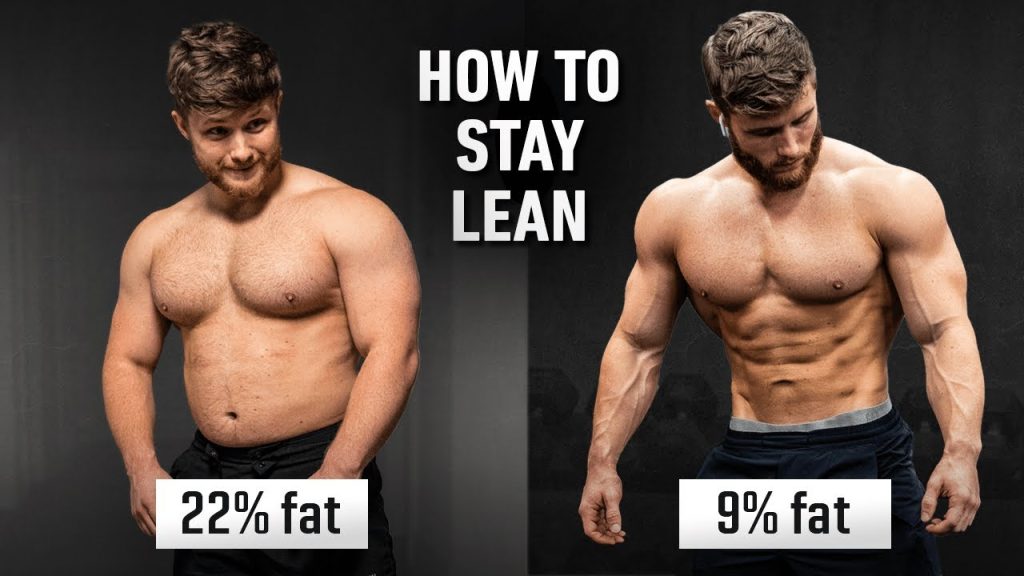
Video by Jeff Nippard on YouTube
When the SUSTAIN-6 trial published its findings, researchers weren’t just reporting weight loss numbers — they were documenting a fundamental shift in how medicine approaches obesity. Semaglutide demonstrated a 26% reduction in major adverse cardiovascular events while simultaneously driving meaningful fat loss, cementing GLP-1 receptor agonists as one of the most consequential drug classes developed in decades. But here’s what the headlines consistently miss: the medication is only part of the equation. The men seeing the best results — the ones losing fat, keeping muscle, and actually transforming their metabolic health — are treating GLP-1 as a tool within a system, not a substitute for one.
If you’re on semaglutide, tirzepatide, or any GLP-1 receptor agonist, you already have a meaningful physiological advantage. These drugs suppress appetite through gut hormone signaling, slow gastric emptying, and reduce caloric intake in ways that willpower alone rarely can. But the World Health Organization’s 2026 guidelines on GLP-1 therapies were explicit: medication alone is not sufficient. The WHO formally recommends combining long-term GLP-1 therapy with intensive behavioral intervention to maximize and sustain outcomes. That language — maximize and sustain — is doing a lot of work. It’s an acknowledgment that the drug opens a window, and what you do while that window is open determines everything.
So what does maximizing weight loss on GLP-1 actually look like in practice? It comes down to three interlocking pillars: protecting your muscle mass, dialing in your protein intake, and building a training foundation that works with the medication’s effects rather than against them.
The Muscle Problem Nobody Warned You About
Here’s the uncomfortable truth buried in the clinical trial data: when people lose weight rapidly on GLP-1 medications, a significant portion of that weight is lean body mass. A 2025 review published in Obesity Reviews found that clinical trial participants receiving incretin-mimetic drugs lost 10% or more of their muscle mass over 68 to 72 weeks of treatment — roughly equivalent to two decades of age-related muscle decline compressed into about a year and a half. Read that again. The same drug that’s helping you drop 20, 30, or 40 pounds may also be quietly accelerating a process that makes you metabolically weaker, functionally slower, and more vulnerable to weight regain the moment you stop or reduce your dose.
A 2026 narrative review in Acta Diabetologica confirmed this pattern across both clinical trials and real-world evidence, noting that GLP-1 receptor agonists consistently produce weight reduction accompanied by decreases in lean body mass. The concern is particularly acute for men who are already dealing with the metabolic consequences of obesity — chronic inflammation, mitochondrial dysfunction, and impaired protein metabolism — all of which make muscle tissue harder to preserve and easier to lose during any caloric deficit, pharmacologically induced or otherwise.
Why does this matter beyond aesthetics? Muscle mass is your primary metabolic engine. It drives insulin sensitivity, resting energy expenditure, and long-term weight maintenance. Losing a significant chunk of it while on GLP-1 sets you up for a diminished metabolic rate, compromised body composition even at a lower scale weight, and a higher probability of regaining fat if and when you transition off the medication. The goal isn’t just to lose weight — it’s to lose fat while preserving the tissue that keeps your metabolism running hot.
The solution is resistance training, and it’s non-negotiable. The Obesity Reviews paper was direct: concurrent physical activity, especially resistance training, has been shown to effectively minimize loss of muscle mass and function during weight reduction therapy. For men on GLP-1, this means getting into the gym — or picking up weights at home — with enough regularity and intensity to send a clear physiological signal that your muscle tissue is needed. Three to four sessions per week of compound resistance movements, with progressive overload over time, is the standard worth aiming for. Squats, deadlifts, rows, presses — these aren’t just gym exercises. On GLP-1, they’re metabolic insurance.
Eating Less, But Smarter: The Protein Imperative
GLP-1 medications dramatically reduce appetite. For many men, this feels like a superpower at first — the obsessive thoughts about food quiet down, portions naturally shrink, and the scale starts moving. The risk is that appetite suppression doesn’t discriminate between good calories and bad ones. If you’re eating significantly less but not being intentional about what fills those reduced calories, you’ll almost certainly come up short on protein — the one macronutrient most critical to preserving muscle during a caloric deficit.
The research on this point is unambiguous. The 2025 Obesity Reviews analysis explicitly recommends that patients receiving incretin-mimetic drugs ensure adequate intake of high-quality protein and micronutrients, noting that oral nutritional supplements may be necessary to meet targets when whole food intake is significantly reduced. This is a clinically validated acknowledgment that the appetite suppression from GLP-1 can work against you nutritionally if you’re not actively managing it.
For men focused on fat loss and muscle preservation, a practical target is somewhere between 0.7 and 1.0 grams of protein per pound of bodyweight per day — skewing toward the higher end if you’re training hard, older than 40, or significantly overweight. On GLP-1, hitting these numbers requires deliberate planning. Prioritize protein at every meal: eggs and Greek yogurt at breakfast, a chicken breast or ground beef at lunch, a substantial protein source at dinner. If appetite makes it difficult to consume enough whole food protein, a high-quality whey or casein supplement taken once daily can close the gap without adding significant caloric load. The goal is to make every reduced calorie count, and protein is where those calories earn the most metabolic return.
Micronutrient intake deserves a mention too, though it’s consistently underappreciated. When total food volume drops substantially — as it often does on GLP-1 — so does your intake of vitamins and minerals. Deficiencies in zinc, magnesium, vitamin D, and B vitamins can impair muscle function, recovery, and hormonal health. A comprehensive multivitamin taken consistently is a reasonable safeguard, not a replacement for a nutrient-dense diet, but a useful backstop during a period of intentional caloric restriction.
Lifestyle Variables That Determine Whether the Medication Works For or Against You
Beyond training and protein, several behavioral and lifestyle factors materially influence how much weight you lose on GLP-1 and what that weight is composed of. Sleep is near the top of the list. Chronic sleep deprivation elevates ghrelin, suppresses leptin, and drives preferential muscle catabolism during caloric restriction — exactly the conditions you’re trying to counteract. Targeting seven to nine hours of quality sleep per night isn’t a soft lifestyle recommendation. It’s a physiological requirement for optimal body composition outcomes, medication or not.
Managing the gastrointestinal side effects of GLP-1 medications is also practically important for maximizing results. Nausea, early satiety, and occasional GI discomfort are common, especially during dose escalation phases. These effects often drive men to eat less than they should, particularly less protein. Working with your prescribing clinician to titrate doses gradually, eating smaller meals more frequently, avoiding high-fat or highly processed foods that slow gastric emptying further, and staying well-hydrated can all reduce GI burden and help you maintain adequate nutritional intake during the adjustment period. Skipping meals entirely because you feel nauseous is a short-term response that creates a long-term deficit in muscle-preserving nutrients.
There’s also the psychological dimension to address honestly. GLP-1 medications reduce the hedonic pull of food — the reward-driven eating that drives overconsumption in modern food environments. That’s genuinely valuable. But some men find that as appetite normalizes, old patterns reassert themselves. The WHO’s 2026 guidelines were deliberate in recommending intensive behavioral therapy alongside GLP-1 therapy precisely because the behavioral patterns that contributed to weight gain don’t disappear with the medication. Developing a relationship with food that’s grounded in hunger cues, nutritional density, and intentional eating — rather than restriction born of pharmaceutical appetite suppression alone — is what creates durable results.
Research on the dermatologic effects of GLP-1 medications also highlights that rapid weight loss can trigger telogen effluvium — a form of diffuse hair shedding linked to significant caloric restriction and nutritional stress. While typically temporary, it’s a visible signal that the body is under physiological strain from aggressive weight loss. Men experiencing this should treat it as a cue to reassess protein intake, micronutrient status, and the pace of weight loss — ideally targeting one to two pounds per week rather than pursuing maximum speed at the expense of tissue quality.
The Takeaway
GLP-1 medications are genuinely transformative for the right patients. The science supporting their cardiovascular, metabolic, and weight loss benefits is substantial and growing. But the men who get the most out of them — the ones who lose fat rather than just weight, who emerge leaner and metabolically stronger rather than just lighter — are the ones who treat the medication as a force multiplier for the fundamentals, not a replacement for them. Lift weights consistently. Hit your protein targets every day, even when you’re not hungry. Sleep enough. Manage the side effects proactively rather than letting them erode your nutritional intake. The drug will do its part. The question is whether you’re doing yours.
Scientific References
-
MacIsaac et al. (2025).
Semaglutide: a key medication for managing cardiovascular-kidney-metabolic syndrome..
Future cardiology.
View on PubMed → -
Rossi, Bucciarelli, Mananguite et al. (2026).
Muscle loss and GLP-1R agonists use..
Acta diabetologica.
View on PubMed → -
Mechanick, Butsch, Christensen et al. (2025).
Strategies for minimizing muscle loss during use of incretin-mimetic drugs for treatment of obesity..
Obesity reviews : an official journal of the International Association for the Study of Obesity.
View on PubMed → -
Celletti, Farrar, De Regil et al. (2026).
World Health Organization Guideline on the Use and Indications of Glucagon-Like Peptide-1 Therapies for the Treatment of Obesity in Adults..
JAMA.
View on PubMed → -
Burke, Sa, Cespedes et al. (2025).
Dermatologic Implications of Glucagon-Like Peptide-1 Receptor Agonist Medications..
Skin appendage disorders.
View on PubMed →