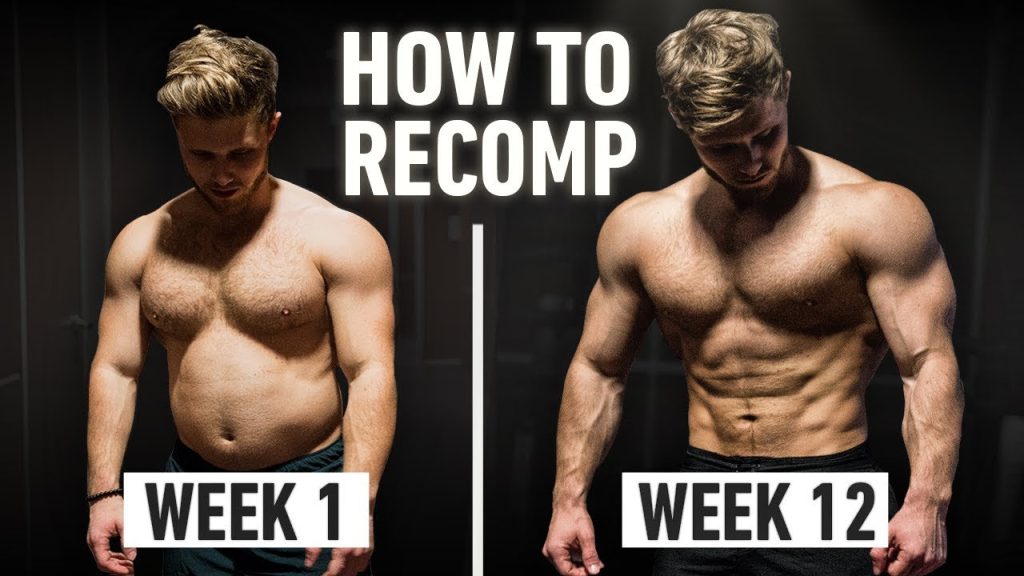
Video by Jeff Nippard on YouTube
Here’s a number that should change how you think about dieting: in a landmark study published in the American Journal of Clinical Nutrition, men on a calorie-restricted diet without resistance training lost nearly 25% of their total weight as lean muscle mass. That’s not a rounding error — that’s a quarter of your weight loss coming straight off your frame. If you’re cutting calories to get leaner, whether through diet alone, a GLP-1 medication like semaglutide, or just disciplined eating, and you’re not following a structured progressive overload program, you’re likely losing the very tissue that makes fat loss sustainable long-term.
Progressive overload — the systematic increase of training stress over time — isn’t just a principle for bulking phases. It’s arguably more critical during a caloric deficit, when your body’s anabolic signaling is already suppressed and the hormonal environment is tilted toward catabolism. The good news is that the research is clear: resistance training with progressive overload during weight loss not only preserves muscle but can promote simultaneous fat loss and strength gains, even in a deficit.
Why Progressive Overload Matters Even More When You’re Losing Weight
Most men understand progressive overload conceptually — lift more weight, do more reps, add more volume over time. But the physiological rationale runs deeper than just getting stronger. During a caloric deficit, circulating insulin levels drop, testosterone can dip, and muscle protein synthesis rates decline. Your body becomes metabolically cautious, prioritizing energy conservation over muscle maintenance. Research from McMaster University demonstrated that a higher protein intake combined with resistance training in a significant caloric deficit allowed men to simultaneously build lean mass and lose fat — a finding that challenges the old myth that you can’t do both at once.
The mechanism behind this is mechanical tension. When you subject a muscle to progressive mechanical load — meaning you consistently ask it to do slightly more than it’s previously adapted to — you trigger myofibrillar protein synthesis through the mTOR pathway regardless of caloric status. Your body receives an unambiguous signal: this muscle is being used, it needs to be maintained. Without that signal, the deficit becomes an invitation for the body to cannibalize muscle for energy. Progressive overload is essentially your biological argument for keeping your lean mass intact.
For men using GLP-1 receptor agonists like semaglutide or tirzepatide, this point is especially urgent. These medications are remarkably effective at reducing caloric intake — often dramatically — and clinical trial data from the SURMOUNT-1 study showed participants losing an average of 20.9% of body weight with tirzepatide. But studies have also noted that a significant portion of that weight — potentially 25 to 40% depending on protein intake and activity — can come from lean mass. A structured resistance training program is the primary defense against that outcome.
How to Structure a Progressive Overload Program for a Weight Loss Phase
The fundamental structure of an effective program during weight loss doesn’t need to be exotic. Three to four resistance training sessions per week, built around compound movements — squat patterns, hip hinges, horizontal and vertical presses and pulls — form the foundation. These multi-joint exercises recruit the largest muscle groups and produce the strongest anabolic response per unit of effort. Isolation work has its place, but if you’re managing fatigue in a deficit, your primary movements deserve the bulk of your energy.
The progressive overload mechanism you choose matters. Linear progression — adding small amounts of weight each session — works well for beginners and intermediate lifters but becomes unreliable during a deficit because recovery capacity is reduced. A more sustainable approach for weight loss phases is double progression: select a rep range (say, 6 to 10 reps), work within that range, and only increase the load once you can complete the top of the range with good form across all sets. This means you might stay at the same weight for two or three sessions before moving up, which is appropriate when calories are restricted and recovery is compromised.
A 2017 meta-analysis in the Journal of Strength and Conditioning Research found that training volume — sets multiplied by reps multiplied by load — is one of the primary drivers of hypertrophy. During a cut, maintaining volume is more important than chasing new one-rep maxes. If you were doing four sets of squats at 185 pounds for eight reps before your deficit, the goal is to still be doing that — or close to it — at the end of your weight loss phase. That sustained volume tells your muscles they’re still relevant.
Protein intake is the non-negotiable partner to your training. Research consistently supports a target of 0.7 to 1 gram of protein per pound of bodyweight during weight loss phases — toward the higher end if you’re in an aggressive deficit or using appetite-suppressing medications that make hitting targets harder. Men on GLP-1 medications often report dramatically reduced appetite, which creates a real risk of inadequate protein consumption. Prioritizing protein at every meal — even smaller ones — and potentially using a high-quality protein supplement are practical strategies to close the gap.
Sleep and recovery deserve mention here because they’re often the first things sacrificed when life gets busy, and they’re also where muscle protein synthesis peaks. Studies have shown that sleep restriction during caloric restriction dramatically increases the proportion of weight lost from lean mass rather than fat. If you’re training hard and eating in a deficit but sleeping five hours a night, you’re working against your own efforts. Seven to nine hours of sleep isn’t a luxury during a fat loss phase — it’s part of the program.
The Takeaway
Losing weight is straightforward in theory but genuinely difficult in practice — and the biggest mistake most men make is treating it as a purely caloric exercise while ignoring what happens to their muscle tissue along the way. Progressive overload during a deficit isn’t about chasing PRs or ego-lifting your way through a cut. It’s about sending a consistent, clear physiological signal that your muscle is necessary, functional, and worth preserving. The research supports it, the mechanism is well understood, and the practical application is simpler than most men expect. Train hard, eat enough protein, sleep well, and let the overload do its job. The fat will come off — make sure the muscle doesn’t come with it.