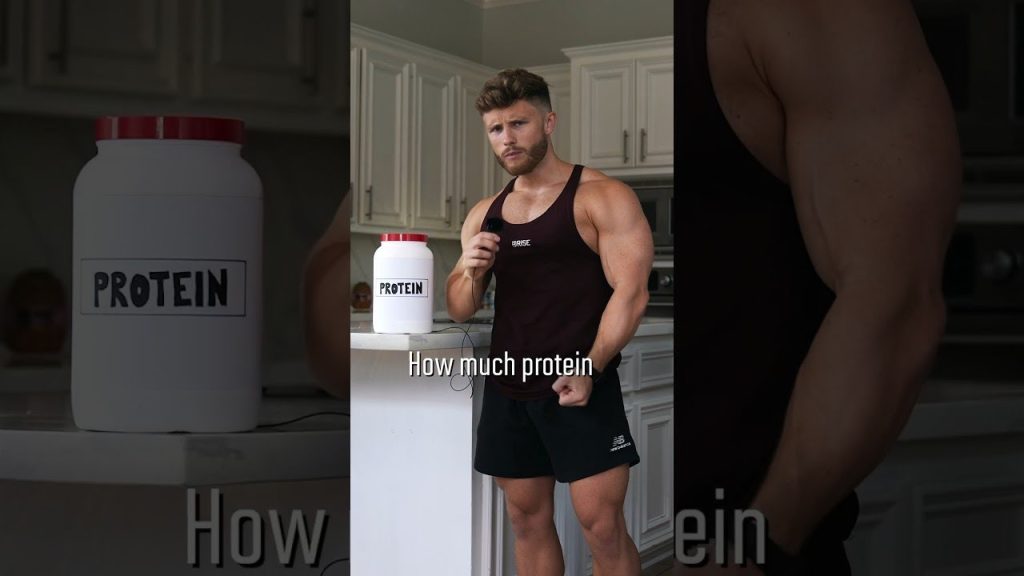
Video by Jeff Nippard on YouTube
Here’s a number that should get your attention: in clinical trials, GLP-1 receptor agonists like semaglutide produced average weight loss of around 15–17% of body weight — but research published in Diabetes, Obesity and Metabolism found that roughly 40% of that weight lost came from lean mass, not fat. For men over 40 already fighting the slow biological war against muscle loss — a process called sarcopenia that begins accelerating around the fourth decade of life — that statistic isn’t just alarming. It’s a call to action.
Whether you’re using a GLP-1 medication, dieting aggressively, or simply training hard while keeping calories in check, the challenge is the same: how do you lose fat without sacrificing the muscle that keeps your metabolism running, your joints protected, and your body functional as you age? The answer lives in the weight room — and in understanding exactly why resistance training becomes non-negotiable after 40.
Why Muscle Preservation Gets Harder After 40
After 40, the hormonal landscape shifts in ways that directly undermine muscle maintenance. Testosterone declines at roughly 1–2% per year, growth hormone pulses become less frequent, and anabolic sensitivity to protein — the muscle-building signal triggered by eating — begins to blunt. Studies estimate that men can lose 3–8% of muscle mass per decade after 30, with the rate accelerating significantly past 60 if nothing is done to counter it.
Add a significant caloric deficit into that picture — whether from a GLP-1-driven appetite reduction, a structured diet, or both — and muscle loss risk climbs considerably higher. The body, sensing an energy shortage, becomes opportunistic. It will break down muscle tissue for fuel if the training signal to preserve it isn’t there. This is why coasting through weight loss on medication or diet alone, without lifting, is one of the most counterproductive things a man over 40 can do for his long-term health. You might end up lighter on the scale while becoming metabolically weaker — what researchers sometimes call being “skinny fat,” or more formally, sarcopenic obesity.
The good news is that resistance training is remarkably effective as a countermeasure. A landmark meta-analysis in the American Journal of Medicine confirmed that progressive resistance training not only preserves lean mass during caloric restriction but can simultaneously reduce fat mass — a dual benefit that becomes more critical the older you get. The key word in that sentence is progressive. Showing up and going through the motions won’t cut it. The program needs to be structured, consistent, and demanding enough to give the body a clear reason to hold onto muscle.
Building the Right Program: Principles Over Perfection
For men over 40 — especially those in a caloric deficit — the training goal shifts from pure hypertrophy to what exercise scientists call “myoprotection”: using resistance training as a shield against lean mass loss. The programming principles that support this goal are well established in the literature, and they don’t require you to train like a 25-year-old competitive bodybuilder.
Frequency matters more than volume in this context. Research in the Journal of Strength and Conditioning Research found that training muscle groups twice per week produced significantly greater hypertrophy compared to once-weekly training, even when total volume was equated. For busy men, this points toward a full-body or upper-lower split performed three to four days per week rather than a traditional bro split where each muscle gets one dedicated day. Three days of full-body lifting — say Monday, Wednesday, Friday — hits every major muscle group with adequate frequency while leaving room for recovery, which takes longer as you age.
Compound, multi-joint movements should anchor every session: squats, Romanian deadlifts, bench press, rows, overhead press, and pull-ups or lat pulldowns. These exercises recruit the largest muscle groups, generate the strongest hormonal response, and provide the most efficient stimulus per minute spent in the gym. Isolation work isn’t worthless, but it should be secondary — a finisher, not the foundation. Each session should include two to three compound lifts performed in the three-to-five set range at moderate-to-heavy loads, targeting roughly eight to twelve repetitions with controlled technique. Pushing close to muscular failure on the final set — within one to two reps — appears to be an important driver of the muscle retention signal.
Protein intake is the nutritional cornerstone of this entire strategy. A comprehensive review in the British Journal of Sports Medicine found that protein intakes of approximately 1.6 grams per kilogram of bodyweight per day maximized muscle hypertrophy outcomes, with some evidence suggesting men over 40 may benefit from pushing toward 2.0–2.4 grams per kilogram given the reduced anabolic sensitivity of aging muscle. For a 200-pound man, that translates to roughly 180–220 grams of protein daily — a target that becomes genuinely challenging when appetite is suppressed by medication or aggressive dieting, which is precisely when it matters most. Prioritizing protein at every meal and supplementing with a high-quality whey or casein protein shake when food intake is low are practical, evidence-backed strategies for hitting that mark.
Sleep and recovery also deserve mention here. Research from the University of Chicago found that sleep restriction reduced the proportion of weight lost as fat by 55% while increasing lean mass loss — a finding that underscores how much happens outside the gym. Seven to nine hours of quality sleep is not optional when muscle preservation is the goal. Neither is managing chronic stress, which elevates cortisol and directly antagonizes the anabolic environment resistance training is trying to create.
The Takeaway
Losing weight after 40 is achievable. Losing fat while keeping your muscle — and arguably building some in the process — requires deliberate effort. GLP-1 medications can be a powerful tool for reducing appetite and accelerating fat loss, but they don’t protect muscle. Neither does dieting alone. What does protect it is picking up heavy things consistently, eating enough protein to support recovery, sleeping adequately, and progressing the work over time. That formula works whether you’re on a medication, following a ketogenic diet, or simply eating less and moving more. The biology is the same. The urgency is the same. And the program — rooted in compound lifting, adequate protein, and smart recovery — is the same for any man who wants to come out the other side of fat loss looking and feeling stronger, not just lighter.