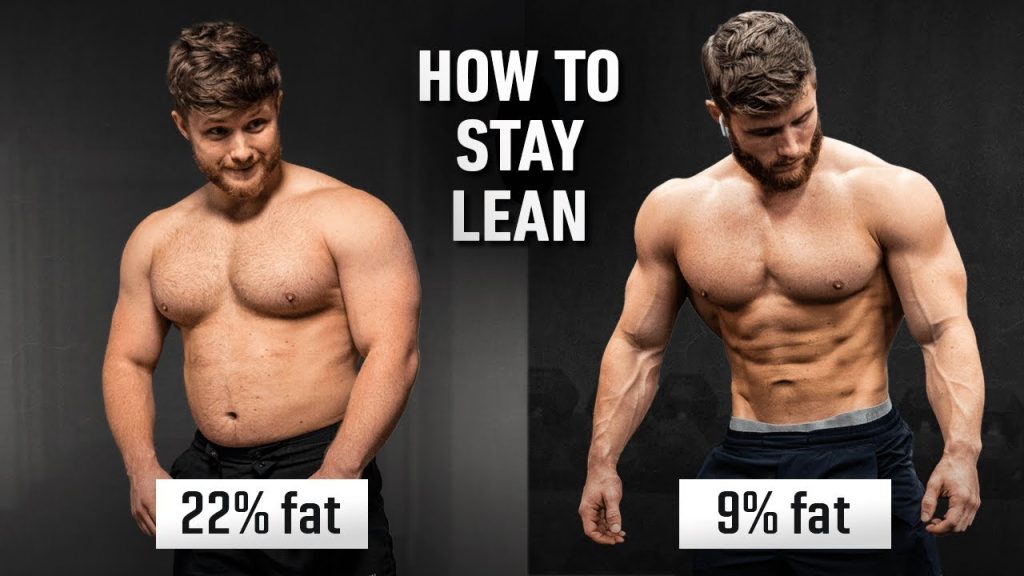
Video by Jeff Nippard on YouTube
Here’s a stat that should stop every man using a GLP-1 medication cold: in clinical trials, as much as 25–40% of weight lost on GLP-1 receptor agonists like semaglutide can come from lean mass — not fat. That’s muscle you’ve spent years building, walking out the door alongside the pounds. A 2026 quasi-experimental trial published in Diabetes, Obesity & Metabolism found that GLP-1 users who added a structured, strength-focused physical activity program lost nearly twice as much total body weight as controls (6.0% vs. 3.3%), shed significantly more body fat, and actually increased their muscle mass percentage — all without stepping foot in a gym. The program was delivered virtually. The training happened at home. And the results were measurably better across the board.
This matters whether you’re on a GLP-1 medication or not. The core principle — that resistance training is the non-negotiable anchor of any serious fat loss effort — applies universally. If you’re cutting calories, losing weight through any means, or simply trying to age better, you cannot afford to ignore what happens to your muscle tissue in the process. The good news is that home-based strength training is not a compromise. It’s a legitimate, evidence-supported strategy, and for men on GLP-1 therapy specifically, it may be the most important behavioral change you can make.
Why Muscle Loss Is the Hidden Cost of GLP-1 Weight Loss
GLP-1 receptor agonists work by suppressing appetite and slowing gastric emptying, which creates a sustained caloric deficit. That deficit drives weight loss — but biology doesn’t discriminate cleanly between fat and muscle when energy is restricted. A 2025 narrative review in Obesity Pillars identified this as one of the central clinical challenges with GLP-1 therapy: significant weight reduction frequently comes with disproportionate loss of lean mass, raising real concerns about sarcopenic obesity — a condition where body fat is high and muscle mass is low simultaneously, even in people who appear to be losing weight successfully.
The problem runs deeper for men who are already dealing with obesity or metabolic syndrome. A 2024 retrospective analysis published in Nutrients found that obesity and metabolic syndrome were the strongest negative predictors of lean mass gains in response to resistance exercise and protein supplementation, with correlation coefficients ranging from -0.36 to -0.68. In plain language: the metabolic environment created by excess body fat actively works against your ability to build or preserve muscle. This is called anabolic resistance, and it means men on GLP-1 medications — who are, by definition, treating obesity — face a steeper uphill climb when it comes to maintaining muscle during weight loss. That makes the case for structured resistance training not just strong, but urgent.
The Obesity Pillars review was explicit in its recommendation: increased protein intake alongside resistance training should be a standard component of GLP-1 therapy management, prescribed alongside the medication itself, not treated as an optional lifestyle add-on. Yet in practice, most men on these medications receive little to no structured guidance on exercise programming. That gap is where home-based training becomes both practical and powerful.
What Home-Based Resistance Training Actually Does to Your Metabolism
The evidence for home-based resistance training as a metabolic intervention is more robust than most men realize. A 2025 randomized clinical trial published in the Journal of Research in Medical Sciences found that eight weeks of home-based resistance training significantly increased GLP-1 levels in participants, alongside meaningful improvements in fasting blood glucose and aerobic capacity. This is notable: exercise itself appears to upregulate GLP-1 secretion, meaning resistance training and GLP-1 medications may work synergistically rather than simply in parallel. You’re not just preserving muscle when you train — you’re potentially amplifying the metabolic machinery that GLP-1 therapy is already engaging.
For men not on any medication, this finding is equally important. If training at home can meaningfully raise endogenous GLP-1 levels, improve insulin sensitivity, and reduce fasting glucose, then a consistent home strength program is functioning as a metabolic intervention in its own right. No prescription required. The Nutrients study reinforced this by showing that home-based resistance exercise, when combined with adequate protein — specifically a whey/casein blend that outperformed collagen supplementation — produced measurable lean mass improvements even in older men with metabolic syndrome, provided the program ran for at least three months.
Practically, this means your home training program needs to be consistent and progressive, not sporadic. Bodyweight squats, push-up variations, resistance band rows, Romanian deadlifts with bands or dumbbells, and isometric holds can all provide sufficient mechanical tension to stimulate muscle protein synthesis. The key variables are progressive overload — gradually increasing difficulty over weeks — and training frequency of at least two to three sessions per week targeting major muscle groups. Protein intake should sit at a minimum of 1.6 grams per kilogram of body weight daily, with some evidence supporting intakes closer to 2.0–2.4g/kg for men in a caloric deficit or those dealing with anabolic resistance from obesity.
The broader context for all of this sits inside a troubling global trend. The Global Burden of Disease Study 2023, published in The Lancet, identified high BMI, high fasting plasma glucose, and physical inactivity among the leading drivers of disability-adjusted life years worldwide — and specifically called out GLP-1 receptor agonists and policies promoting physical activity as two of the most promising levers for reversing the metabolic disease epidemic. These aren’t isolated interventions. They work best together, and the research increasingly shows that the combination — GLP-1 therapy or not — produces outcomes that neither strategy achieves alone.
The Takeaway
If you’re on a GLP-1 medication, home-based strength training isn’t supplementary to your treatment — it’s protective of the outcome you’re working toward. Losing weight without preserving muscle leaves you lighter but metabolically fragile, and the biology of obesity makes that muscle harder to hold onto without deliberate resistance work. If you’re not on any medication and simply trying to get leaner, the same rules apply: a consistent home resistance program raises your own GLP-1 levels, improves insulin sensitivity, and builds the metabolic foundation that makes fat loss sustainable. Two to three sessions per week, progressive overload, adequate protein. The gym is optional. The training is not.
Scientific References
-
Unknown Authors (2025).
Burden of 375 diseases and injuries, risk-attributable burden of 88 risk factors, and healthy life expectancy in 204 countries and territories, including 660 subnational locations, 1990-2023: a systematic analysis for the Global Burden of Disease Study 2023..
Lancet (London, England).
View on PubMed → -
Nilsson, Xhuti, de Maat et al. (2024).
Obesity and Metabolic Disease Impair the Anabolic Response to Protein Supplementation and Resistance Exercise: A Retrospective Analysis of a Randomized Clinical Trial with Implications for Aging, Sarcopenic Obesity, and Weight Management..
Nutrients.
View on PubMed → -
Fitch, Gigliotti, Bays et al. (2025).
Application of nutrition interventions with GLP-1 based therapies: A narrative review of the challenges and solutions..
Obesity pillars.
View on PubMed → -
Nazari, Minasian, Hovsepian et al. (2025).
Impact of an 8-week home-based resistance training and leisure-time physical activity on serum glucagon-like peptide-1 and microRNA-192 levels in children with type 1 diabetes: A randomized clinical trial..
Journal of research in medical sciences : the official journal of Isfahan University of Medical Sciences.
View on PubMed → -
Stanton, Naqvi, Devaraj et al. (2026).
Quality Plus Quantity: Evaluation of a Virtual GLP-1 Programme With Physical Activity Support to Promote Healthy Body Composition Change During GLP-1 Weight Loss..
Diabetes, obesity & metabolism.
View on PubMed →