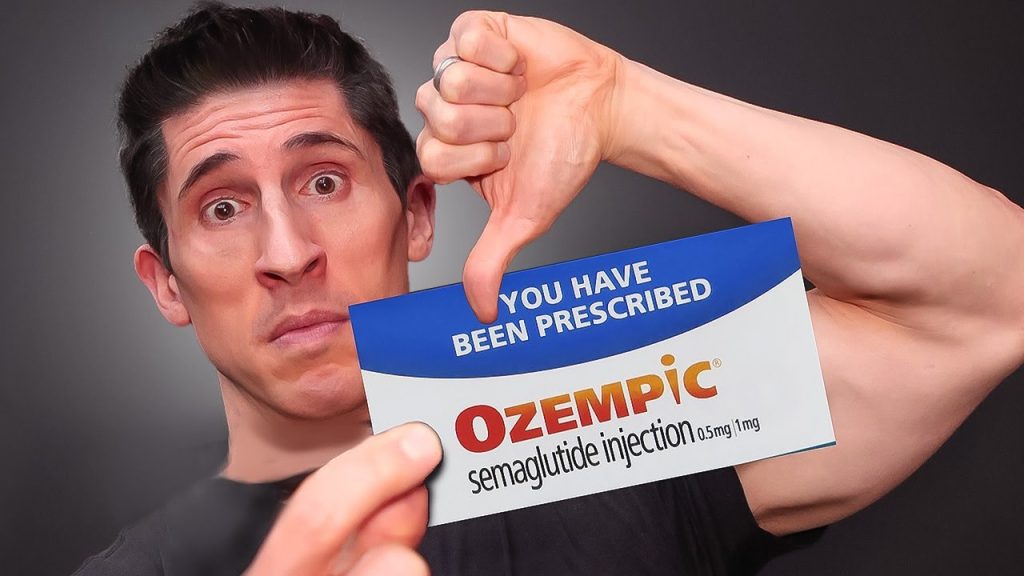
Video by AthleanX on YouTube
What if your body is already sitting on a powerful metabolic lever — and you just haven’t learned how to pull it? Glucagon-like peptide-1 (GLP-1) is the same hormone that drugs like semaglutide and tirzepatide are designed to mimic. It regulates appetite, slows gastric emptying, improves insulin sensitivity, and signals your brain that you’re full. But pharmaceutical versions aren’t the only way to activate this system. The food you eat, how you move, and even the mechanical pressure of digestion itself can influence how much GLP-1 your body naturally produces — and the science behind this is more compelling than most people realize.
A 2024 study published in eLife identified a mechanosensory protein called Piezo1 expressed in intestinal L cells — the specialized cells that manufacture and secrete GLP-1. The researchers found that mechanical stimulation from food passing through the gut directly influences GLP-1 synthesis and secretion, and that Piezo1 expression correlated with blood glucose and GLP-1 levels depending on energy status. In simpler terms: the physical act of eating certain foods in certain ways triggers your gut to release more GLP-1. That’s not a supplement claim. That’s molecular biology.
This doesn’t mean you can replicate the dramatic weight loss seen in clinical trials through diet alone. But it does mean that men who are serious about fat loss, metabolic health, and body composition have real, evidence-based dietary strategies available to them — whether they’re on medication, considering it, or want nothing to do with it.
What a GLP-1-Supportive Diet Actually Looks Like
The dietary approach that best supports natural GLP-1 secretion isn’t a gimmick or a branded protocol. It’s a high-fiber, high-protein, whole-food eating pattern that prioritizes foods known to stimulate L-cell activity in the gut. The mechanism matters here: L cells are most densely concentrated in the distal small intestine and colon, meaning the further food travels before being digested, the more GLP-1 gets triggered. This is precisely why fiber — particularly fermentable, prebiotic fiber — is one of the most important dietary levers you have.
Oats, legumes, Jerusalem artichokes, flaxseed, and resistant starch from cooled cooked potatoes or rice are among the best food sources to prioritize. These foods reach the lower gut relatively intact, stimulate L cells directly, and produce short-chain fatty acids during fermentation that further support GLP-1 release. Protein is equally critical. Whey protein, eggs, fatty fish, and lean meats all stimulate GLP-1 secretion post-meal, and the satiety effect of protein compounds the hormonal response — meaning you feel fuller longer on fewer calories without fighting your own biology to get there.
Healthy fats, particularly from olive oil, avocado, and omega-3-rich fish like salmon and sardines, also play a supporting role. Fat slows gastric emptying, which extends the GLP-1 secretion window and prolongs the satiety signal. What this means practically is that structuring your meals around protein, fiber, and healthy fat — rather than refined carbohydrates that digest quickly and bypass the distal gut — isn’t just good nutritional advice. It’s a targeted strategy for keeping your body’s own appetite-regulating hormones working in your favor.
Meal timing matters too. Skipping breakfast or severely restricting eating windows can blunt GLP-1 response in some men, particularly those with metabolic dysfunction. While intermittent fasting has its place, the evidence suggests that eating breakfast with adequate protein supports a stronger GLP-1 curve across the day. If you are going to compress your eating window, front-loading calories earlier in the day appears more metabolically favorable than eating heavily at night — a pattern consistent with AACE clinical practice guidelines for obesity management, which emphasize structured meal patterns as a core behavioral strategy.
Exercise Is Not Optional — It’s Part of the Mechanism
Diet alone gets most of the attention in conversations about GLP-1, but exercise deserves equal billing — especially for men who care about maintaining muscle while losing fat. A 2026 randomized controlled trial published in Sports Medicine found that structured moderate-to-vigorous exercise significantly improved cardiorespiratory fitness and physical functional performance in men with obesity, while GLP-1 receptor agonist treatment alone did not improve physical fitness. The combined approach — exercise plus GLP-1 therapy — produced the greatest gains, but exercise alone delivered clinically meaningful results that the medication alone could not.
This finding matters regardless of whether you’re on medication. It tells you that the cardiovascular and musculoskeletal benefits associated with better metabolic health require physical training — they don’t happen passively through hormonal manipulation alone. For men pursuing a GLP-1 diet plan without medication, a training program built around two to three sessions of moderate-to-vigorous cardio per week, combined with resistance training to preserve or build lean mass, creates the metabolic environment where dietary GLP-1 strategies have the greatest impact. Relative muscle strength is a critical variable here: the trial showed that men who exercised maintained significantly better strength-to-bodyweight ratios than those relying on weight loss alone.
If you’re carrying excess weight and improving your reproductive health is a concern, the research is equally clear. A 2022 RCT published in Human Reproduction found that an 8-week low-calorie diet in obese men increased sperm concentration 1.49-fold and sperm count 1.41-fold. Men who maintained their weight loss through either exercise or liraglutide preserved those improvements at one year. This reinforces something worth repeating: the diet-induced weight loss itself was the trigger, not the medication. The medication helped maintain the result — but the result was created by changing how these men ate.
On the energy expenditure side, a 2025 study in Cell Metabolism examining tirzepatide found that the drug increased fat oxidation and reduced appetite and calorie intake during ad libitum test meals. What’s instructive here isn’t the drug itself — it’s the mechanism. Increasing fat oxidation and reducing caloric intake through dietary structure, fasting-informed meal timing, and exercise can partially replicate those metabolic shifts without a prescription. A high-protein, lower-refined-carb diet that keeps insulin levels stable naturally shifts your respiratory exchange ratio toward greater fat utilization over time — the same directional change the researchers observed with tirzepatide.
The Practical Protocol
Putting this all together, a GLP-1-supportive diet without medication centers on a few non-negotiable principles. Eat 30 to 40 grams of fiber daily from whole food sources — legumes, vegetables, intact grains, and seeds. Prioritize protein at every meal, targeting 0.7 to 1 gram per pound of bodyweight to preserve muscle and drive satiety. Include omega-3-rich fish two to three times per week and use olive oil as your primary cooking fat. Minimize ultra-processed foods, refined sugars, and liquid calories, which spike insulin rapidly and do nothing to stimulate L-cell GLP-1 release in the lower gut.
Exercise consistently — not heroically. Two to three cardio sessions per week at a pace where conversation is challenging, plus two to three resistance training sessions, is enough to produce measurable improvements in the metabolic markers that matter. Sleep seven to nine hours per night, because sleep deprivation impairs GLP-1 secretion, increases ghrelin, and undermines every dietary effort you’re making during the day. Manage chronic stress through whatever works for you — because elevated cortisol chronically suppresses the gut hormone environment that supports satiety and fat oxidation.
None of this is complicated. But the science behind it is serious — and taking it seriously is what separates men who make lasting progress from those who cycle through approaches without ever understanding why things work.
What This Means For You
You don’t need a prescription to start working with your body’s metabolic biology. A diet built around fiber, protein, and whole foods — combined with consistent training and smart lifestyle habits — can meaningfully influence the same hormonal pathways that GLP-1 medications target. The magnitude may differ, but the direction is the same: less hunger, better insulin sensitivity, more fat oxidation, and a body composition that reflects the effort you’re putting in. Start with the fundamentals, measure your progress, and adjust from there. The tools are already in your hands.
Scientific References
-
Garvey, Mechanick, Brett et al. (2016).
AMERICAN ASSOCIATION OF CLINICAL ENDOCRINOLOGISTS AND AMERICAN COLLEGE OF ENDOCRINOLOGY COMPREHENSIVE CLINICAL PRACTICE GUIDELINES FOR MEDICAL CARE OF PATIENTS WITH OBESITY..
Endocrine practice : official journal of the American College of Endocrinology and the American Association of Clinical Endocrinologists.
View on PubMed → -
Ravussin, Sanchez-Delgado, Martin et al. (2025).
Tirzepatide did not impact metabolic adaptation in people with obesity, but increased fat oxidation..
Cell metabolism.
View on PubMed → -
Jensen, Fiorenza, Juhl et al. (2026).
Physical Fitness with Exercise and GLP-1 Receptor Agonist Treatment Alone or Combined After Diet-Induced Weight Loss: A Secondary Analysis of a Randomized Controlled Trial in Adults with Obesity..
Sports medicine (Auckland, N.Z.).
View on PubMed → -
Andersen, Juhl, Kjøller et al. (2022).
Sperm count is increased by diet-induced weight loss and maintained by exercise or GLP-1 analogue treatment: a randomized controlled trial..
Human reproduction (Oxford, England).
View on PubMed → -
Huang, Mo, Yang et al. (2024).
Mechano-regulation of GLP-1 production by Piezo1 in intestinal L cells..
eLife.
View on PubMed →