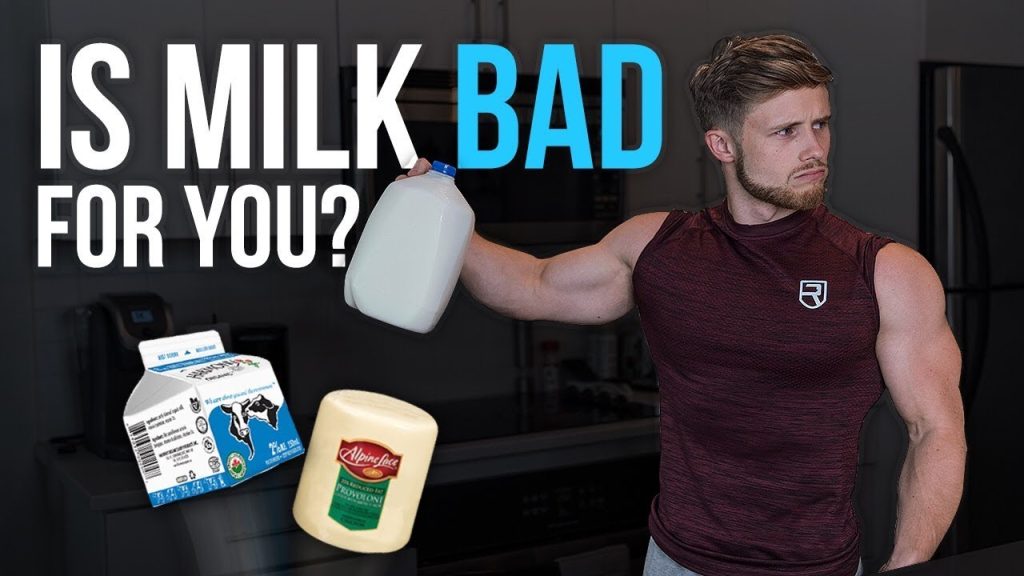
Video by Jeff Nippard on YouTube
Here’s a number worth knowing: in clinical trials of semaglutide, participants lost an average of 15% of their body weight — but roughly 40% of that weight came from lean mass, not fat. That’s muscle. That’s metabolic currency you can’t afford to spend. Whether you’re on a GLP-1 medication, dieting hard, or simply in a caloric deficit training toward a leaner physique, the threat to your muscle tissue is real — and a structured strength training program is the single most effective countermeasure available.
This guide breaks down exactly what that program should look like, why the science demands resistance training during any fat loss phase, and how to structure your sessions whether you’re a GLP-1 user managing appetite suppression or a guy who’s simply committed to getting leaner without sacrificing what he’s built in the gym.
Why Strength Training Isn’t Optional During Fat Loss
The physiology here is non-negotiable. When you’re in a caloric deficit — whether induced by a GLP-1 medication, intermittent fasting, or disciplined eating — your body doesn’t selectively burn fat. It breaks down muscle tissue for energy unless you give it a compelling reason not to. That reason is mechanical tension: the force generated when muscle fibers contract against resistance. Research consistently shows that progressive resistance training is the most effective stimulus for muscle protein synthesis, signaling the body to preserve and rebuild lean tissue even in a deficit.
A 2022 study published in Obesity found that participants who combined GLP-1 receptor agonist therapy with resistance training preserved significantly more lean mass than those who relied on the medication alone. But this isn’t just a GLP-1 story. A landmark meta-analysis in the American Journal of Clinical Nutrition confirmed that resistance training during caloric restriction preserves lean body mass regardless of how the deficit is created. The mechanism matters less than the muscle signal you send.
Protein intake amplifies this effect dramatically. Evidence supports consuming 1.6 to 2.2 grams of protein per kilogram of body weight when training under a caloric deficit — a target that GLP-1 users in particular must be intentional about, given that appetite suppression can make hitting protein goals genuinely difficult. Prioritize protein at every meal. Think eggs, Greek yogurt, lean meat, or a quality protein shake, especially if food volume feels like a challenge.
The Program: Structure, Frequency, and What to Prioritize
A well-designed strength program for fat loss doesn’t need to be complicated — but it does need to be consistent and progressive. Three to four sessions per week built around compound, multi-joint movements is the evidence-based sweet spot. Research on training frequency confirms that two to four sessions per muscle group per week maximizes hypertrophy and strength adaptations, making a full-body or upper-lower split ideal for most men in a fat loss phase.
Your sessions should anchor on the foundational movements: squat variations, hip hinges like deadlifts and Romanian deadlifts, horizontal and vertical pressing, and rowing patterns. These recruit the most muscle mass, drive the highest metabolic response, and generate the mechanical tension that preserves lean tissue. Accessory work — curls, lateral raises, calf raises — is welcome but secondary. The compound lifts are the policy; everything else is detail.
Sets and reps should fall in the 3–5 sets of 6–12 repetitions range for most exercises, with progressive overload applied week over week — even if that progression is as small as one additional rep or 2.5 pounds on the bar. Progressive overload is the fundamental driver of muscle retention and growth, and its importance is amplified when calories are restricted. Track your lifts. Numbers don’t lie.
For GLP-1 users specifically, training timing can matter. If appetite suppression is affecting energy levels, scheduling sessions 60–90 minutes after a protein-forward meal tends to support better performance. Hydration also deserves attention — reduced food intake often means reduced fluid from food sources, so drinking water consistently throughout the day is more important than it might seem.
A downloadable PDF program template based on these principles — a simple four-week upper-lower split with compound movements, rep targets, and progression guidelines — is the kind of tool that turns good intentions into trackable results. Structure removes guesswork, and guesswork is what makes programs fail.
The Takeaway
Fat loss without strength training is a gamble with your metabolism. The research is clear, the mechanism is understood, and the fix is straightforward: lift heavy things, eat enough protein, and show up consistently. Whether you’re using a GLP-1 medication, eating in a deficit the old-fashioned way, or somewhere in between, the program is the same. Protect your muscle. Build the body that supports long-term health — not just a lower number on the scale.