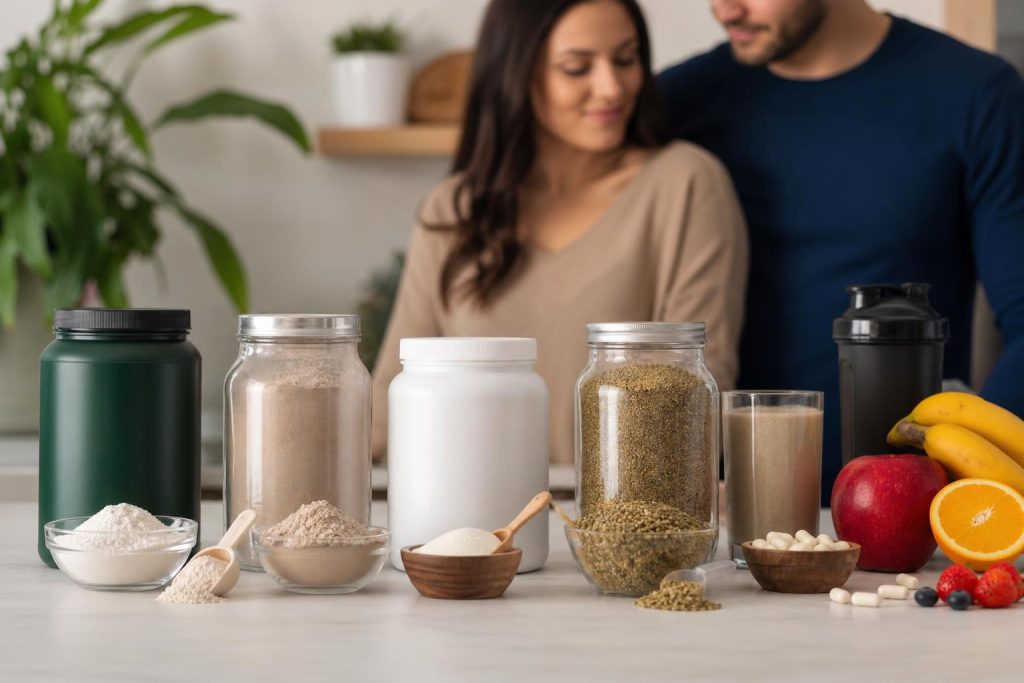
Here’s something most people on GLP-1 medications don’t hear enough: the drug is only doing part of the work. A 2022 review published in Nutrients found that dietary fiber independently enhances GLP-1 secretion from your gut’s L-cells — meaning the right fiber intake can amplify your body’s own metabolic signaling, whether you’re on a medication or not. If you’re using semaglutide or tirzepatide, ignoring fiber is leaving results on the table. And if you’re not on a GLP-1 medication, fiber is still one of the most underrated tools in your metabolic arsenal.
The gut health piece matters more than most men realize. Reduced appetite, slower gastric emptying, and lower caloric intake — all common on GLP-1 therapy — create a digestive environment that can quickly become dysbiotic without adequate fiber. Bloating, constipation, and nausea worsen. Muscle-protective short-chain fatty acids (SCFAs) decline. The microbiome shifts in ways that undermine the very fat loss and metabolic benefits you’re working toward. A landmark study in Cell Host & Microbe demonstrated that SCFA-producing bacteria directly influence insulin sensitivity and body composition — and those bacteria feed on fermentable fiber.
What the Research Says About Fiber and Metabolic Health
Not all fiber is created equal, and the distinction matters when you’re trying to optimize gut health alongside weight loss or body recomposition. Soluble, fermentable fibers — like psyllium husk, inulin, and partially hydrolyzed guar gum (PHGG) — are the ones doing the heavy lifting metabolically. Research in the American Journal of Clinical Nutrition showed that psyllium supplementation significantly reduced fasting blood glucose, LDL cholesterol, and postprandial insulin response in overweight men — effects that synergize well with reduced caloric intake from any source, medication-assisted or not.
Psyllium husk remains the gold standard for men who want a predictable, clinically validated option. It forms a viscous gel in the gut that slows glucose absorption, feeds beneficial bacteria, and supports stool regularity — which becomes critical for GLP-1 users dealing with constipation. A standard dose of 5–10 grams taken with 8–12 oz of water before meals is where the research consistently lands. Start low (5g once daily) and increase gradually over two weeks to avoid the bloating that comes from jumping in too fast.
Inulin and fructooligosaccharides (FOS), found in supplements like chicory root fiber, are highly fermentable prebiotics that specifically fuel Bifidobacterium and Lactobacillus species. A randomized controlled trial in Gut found that inulin-type fructans reduced body fat, improved appetite regulation, and increased endogenous GLP-1 secretion in overweight adults. The catch: these are highly fermentable, meaning men with sensitive guts should introduce them even more slowly — 2–3 grams daily to start. PHGG is often a better-tolerated alternative for those who react poorly to inulin, as it ferments more slowly and produces fewer gas-related side effects.
Acacia fiber (acacia senegal) deserves mention for men specifically dealing with GI distress on GLP-1 therapy. It’s one of the gentlest fermentable fibers available, with clinical data supporting its ability to increase SCFA production and improve microbiome diversity without the bloating associated with more aggressive prebiotics. Mix 5–10 grams into water or protein shakes — it’s tasteless and dissolves cleanly.
How to Build a Fiber Protocol That Works
The goal is 25–38 grams of total daily fiber for men, per established dietary reference intake research — yet most American men consume fewer than 18 grams. For GLP-1 users eating significantly less food volume, that gap widens fast. Supplementation isn’t a workaround; it’s a necessity. Prioritize whole food sources first: lentils (15g per cup), black beans (15g per cup), avocados (10g each), and oats (4g per serving) are your anchors. Supplements close the gap without adding significant calories — important when total intake is already suppressed.
Timing matters. Taking a fiber supplement 20–30 minutes before your largest meal blunts the postprandial glucose spike and extends satiety, which compounds the appetite-suppressing effects you’re already working with. Avoid taking fiber within two hours of medications or fat-soluble supplements, as soluble fiber can impair absorption. Hydration is non-negotiable — inadequate water intake with fiber supplementation makes constipation worse, not better.
The Takeaway
Fiber is metabolic infrastructure. Whether you’re on a GLP-1 medication, running a caloric deficit through diet alone, or trying to maintain a lean physique year-round, your gut bacteria, insulin sensitivity, and digestive regularity all depend on consistent, adequate fiber intake. Start with psyllium husk if you want simplicity and clinical backing. Add acacia or PHGG if you need gentleness. Consider inulin-based prebiotics once your gut adapts. Build toward whole food fiber as your dietary foundation, and use supplements to reliably hit your targets. The men getting the best results — on any protocol — are the ones who’ve stopped treating gut health as an afterthought.