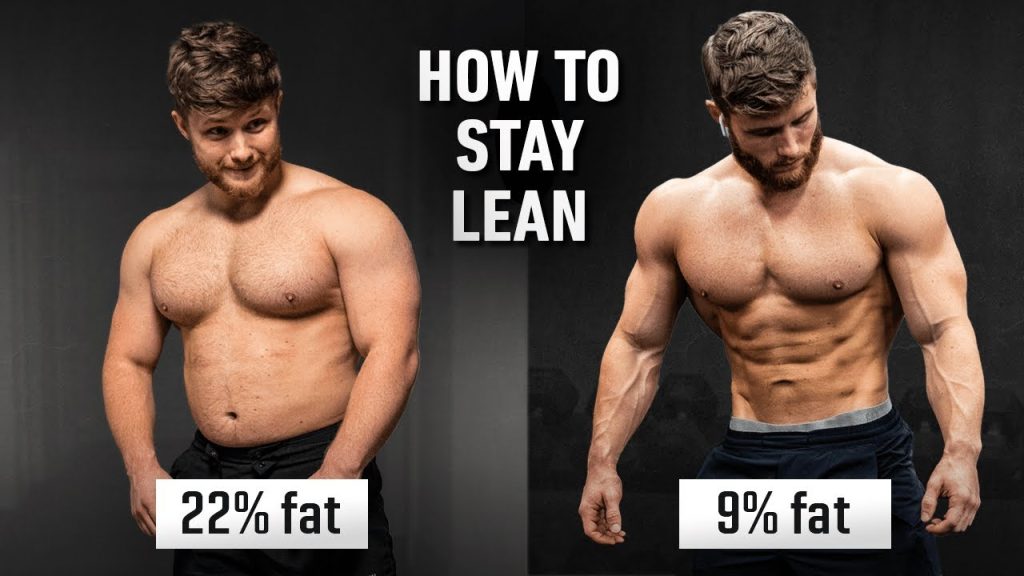
Video by Jeff Nippard on YouTube
When semaglutide and tirzepatide started making headlines, most of the conversation centered on the injections themselves — the doses, the side effects, the dramatic before-and-after photos. What got far less attention was the diet. And that’s a problem, because the medication is only part of the equation. A 2025 phase 1 clinical trial published in Cell Metabolism found that tirzepatide — the dual GIP/GLP-1 receptor agonist — led to meaningful reductions in appetite and calorie intake and significantly increased fat oxidation compared to placebo. But here’s the nuance the researchers also uncovered: tirzepatide appeared to have no meaningful impact on metabolic adaptation in humans. In other words, the medication shifts what fuel your body burns and how hungry you feel, but it doesn’t fundamentally rewire your metabolism. What you eat still matters enormously.
This isn’t a knock on GLP-1 medications. They’re powerful, clinically proven tools. But if you’re on semaglutide, liraglutide, or tirzepatide and eating poorly — or eating so little that you’re losing muscle along with fat — you’re leaving serious results on the table. The goal of this guide is to give you a concrete, science-backed dietary framework that works with GLP-1 receptor agonists to maximize fat loss, protect lean mass, and build the kind of metabolic health that lasts well beyond your prescription.
Why Your Diet on GLP-1 Medications Requires a Specific Strategy
GLP-1 receptor agonists work through several overlapping mechanisms: they slow gastric emptying, suppress appetite via central nervous system signaling, enhance glucose-dependent insulin secretion, and reduce glucagon release. The net effect is that you feel full faster, stay full longer, and eat substantially less without the white-knuckling that comes with traditional calorie restriction. That’s a genuine advantage. The danger, however, is passive malnutrition.
When your appetite drops sharply, it becomes easy to under-eat — not just in calories, but in the specific nutrients your body needs to preserve muscle tissue, support hormonal function, and maintain micronutrient sufficiency. The AACE and ACE comprehensive clinical practice guidelines for obesity management emphasize that effective obesity treatment must target both weight-related complications and adiposity preservation of lean mass — meaning the strategy isn’t simply to eat less, but to eat strategically. When you combine reduced appetite with poor food choices, you risk what researchers call “skinny fat” outcomes: weight on the scale drops, but the ratio of fat to muscle doesn’t improve, and long-term metabolic health suffers.
The solution is structured intentionality. You don’t need to force-feed yourself, and you don’t need to suffer through meals you’re not hungry for. But within the reduced calorie window that GLP-1 medications naturally create, every bite needs to work harder. That means prioritizing protein above all else, building meals around whole-food carbohydrates that support energy and gut health, including quality fats for hormonal support, and staying vigilant about hydration and micronutrients.
Protein deserves special emphasis here. On a GLP-1 medication, you may be consuming as few as 1,200 to 1,600 calories per day without even trying — sometimes less. At that intake level, hitting a protein target of 1.6 to 2.2 grams per kilogram of body weight becomes genuinely challenging but critically important. Protein is the most satiating macronutrient and the primary driver of muscle protein synthesis. If your protein is low while your calories are already suppressed, your body has no choice but to cannibalize muscle for fuel. Practically, this means anchoring every meal around a quality protein source: eggs, Greek yogurt, chicken breast, salmon, lean beef, cottage cheese, or whey protein. Aim for a minimum of 30 to 40 grams of protein per meal, and treat protein targets as non-negotiable even on days when appetite is at its lowest.
Building Your GLP-1 Meal Framework: What to Eat and When
The structure of your meals matters just as much as the content, particularly because GLP-1 medications slow gastric emptying. Large meals can exacerbate nausea and discomfort — a common complaint, especially during dose escalation. The practical workaround is to eat smaller, nutrient-dense meals spaced throughout the day rather than two or three large ones. Think of it as front-loading nutrition into compact, purposeful eating windows rather than trying to hit macros in one or two sittings.
A functional GLP-1 meal structure looks something like this across a day: a high-protein breakfast anchored by eggs or Greek yogurt with some fruit or oats for carbohydrates; a midday meal built around a lean protein, a fibrous vegetable base, and a moderate serving of whole-grain carbohydrates; a lighter dinner that again centers on protein — perhaps salmon with roasted vegetables and a small portion of legumes or rice; and if needed, a high-protein snack like cottage cheese or a whey shake to close any protein gaps. Calorie totals will vary by the individual, but most men on GLP-1 medications will naturally land between 1,400 and 1,800 calories in this framework without fighting their medication.
Fiber is another non-negotiable. Vegetables, legumes, oats, and whole grains slow glucose absorption, feed beneficial gut bacteria, and support the intestinal L cells that produce endogenous GLP-1 — a relationship that recent research in eLife has begun to illuminate at the mechanistic level, showing that intestinal L cell activity is influenced by mechanical and nutritional stimuli from the food you eat. In other words, eating enough fiber and whole foods doesn’t just complement your GLP-1 medication — it may support your body’s own GLP-1 production pathways as well.
On the fat side of the equation, focus on monounsaturated and omega-3-rich sources: olive oil, avocado, fatty fish, walnuts, and flaxseed. These fats support testosterone production, cardiovascular health, and inflammation control — all relevant for men in a caloric deficit. Avoid using fat as a primary calorie vehicle the way some keto-leaning dieters do; on a GLP-1 diet, you simply don’t have enough caloric runway to let fat crowd out protein and fiber.
What to actively limit or avoid: ultra-processed foods, foods high in refined sugar, and high-fat fried foods. These aren’t just empty calories — they can worsen GLP-1-related nausea, promote gastric discomfort, and undermine the metabolic benefits you’re working toward. Alcohol deserves a mention here too. Many men report significantly increased alcohol sensitivity on GLP-1 medications, and alcohol itself is calorically dense, disrupts sleep quality, lowers testosterone, and impairs muscle protein synthesis. If you drink, keep it minimal and strategic — not habitual.
Hydration is frequently overlooked and consistently underestimated. Reduced appetite can also reduce thirst signals, and GLP-1 users are at elevated risk of dehydration, which can compound fatigue, constipation, and brain fog. A minimum of 2.5 to 3 liters of water daily is a reasonable target for most men, with electrolyte support — sodium, potassium, magnesium — especially important if you’re exercising or in a significant caloric deficit.
The Role of Exercise in Amplifying Your GLP-1 Results
No diet plan for men on GLP-1 medications would be complete without a serious discussion of resistance training. The medication will help you lose weight — but it won’t tell your body what kind of weight to lose. That’s where exercise, and specifically strength training, becomes the decisive variable.
A 2026 secondary analysis published in Sports Medicine examined 193 adults with obesity who were randomized to either GLP-1 therapy (liraglutide), exercise, a combination of both, or placebo following an initial low-calorie diet phase. The findings were striking: liraglutide alone did not improve physical fitness. Exercise alone and the combined treatment both produced meaningful improvements in cardiorespiratory fitness and functional performance. The combined group — liraglutide plus structured exercise — showed the greatest improvements, including an 8.6% reduction in stair climb time and a 3.0 mL/min/kg fat-free mass increase in peak oxygen consumption compared to liraglutide alone. Relative muscle strength was also highest in the combined group at plus 3.3% versus a loss of 7.8% in the placebo group.
The message here is unambiguous: GLP-1 medications combined with exercise produce dramatically better outcomes than medication alone. Your diet creates the nutritional environment for that exercise to work. Eat enough protein, train with sufficient intensity, and you’ll exit this phase of your health journey leaner, stronger, and metabolically healthier — not just lighter on the scale.
Practically, this means prioritizing resistance training three to four times per week — compound movements like squats, deadlifts, rows, presses, and loaded carries — alongside two or three sessions of moderate-intensity cardiovascular work. Don’t rely on low-intensity walking as your sole form of cardio. The Sports Medicine trial used moderate-to-vigorous intensity exercise averaging 116 minutes per week at 79% of maximum heart rate. That’s not casual movement — it’s structured, intentional effort.
There’s another angle to the exercise story that’s particularly relevant for men: reproductive health. A 2022 randomized controlled trial published in Human Reproduction — the S-LITE trial — found that an 8-week low-calorie diet in obese men produced a 1.49-fold increase in sperm concentration and a 1.41-fold increase in total sperm count. Critically, these improvements were maintained over 52 weeks only in men who maintained their weight loss through either liraglutide or exercise. Men who regained weight lost their fertility gains. This is a powerful motivator that doesn’t get nearly enough attention: the combination of dietary intervention, GLP-1 medication, and sustained exercise doesn’t just change how you look — it can meaningfully restore hormonal and reproductive health.
The Takeaway
A GLP-1 diet plan isn’t about eating as little as possible and letting the medication do all the work. That approach produces weight loss, yes — but too often it produces the wrong kind, stripping muscle, creating micronutrient deficiencies, and leaving you metabolically fragile when and if you eventually taper off the medication. The research is consistent: the men who get the best outcomes from GLP-1 therapy are the ones who treat it as a tool within a broader strategy, not as a substitute for one.
Build every meal around protein. Fill the rest of your plate with fiber-rich vegetables, whole-food carbohydrates, and quality fats. Stay hydrated, hit your electrolytes, and minimize the alcohol, processed food, and refined sugar that work against everything you’re trying to accomplish. Train hard enough that your body has a reason to hold onto muscle while it burns fat. And understand that the medication is shifting your appetite and your fuel utilization — as the Cell Metabolism data shows — but your nutritional choices determine the quality of the transformation.
Done right, this isn’t just a weight loss protocol. It’s a complete metabolic rebuild — one that improves cardiovascular fitness, reproductive health, body composition, and long-term quality of life. The medication opens the door. Your diet and your training are what you walk through it with.
Scientific References
-
Garvey, Mechanick, Brett et al. (2016).
AMERICAN ASSOCIATION OF CLINICAL ENDOCRINOLOGISTS AND AMERICAN COLLEGE OF ENDOCRINOLOGY COMPREHENSIVE CLINICAL PRACTICE GUIDELINES FOR MEDICAL CARE OF PATIENTS WITH OBESITY..
Endocrine practice : official journal of the American College of Endocrinology and the American Association of Clinical Endocrinologists.
View on PubMed → -
Ravussin, Sanchez-Delgado, Martin et al. (2025).
Tirzepatide did not impact metabolic adaptation in people with obesity, but increased fat oxidation..
Cell metabolism.
View on PubMed → -
Jensen, Fiorenza, Juhl et al. (2026).
Physical Fitness with Exercise and GLP-1 Receptor Agonist Treatment Alone or Combined After Diet-Induced Weight Loss: A Secondary Analysis of a Randomized Controlled Trial in Adults with Obesity..
Sports medicine (Auckland, N.Z.).
View on PubMed → -
Andersen, Juhl, Kjøller et al. (2022).
Sperm count is increased by diet-induced weight loss and maintained by exercise or GLP-1 analogue treatment: a randomized controlled trial..
Human reproduction (Oxford, England).
View on PubMed → -
Huang, Mo, Yang et al. (2024).
Mechano-regulation of GLP-1 production by Piezo1 in intestinal L cells..
eLife.
View on PubMed →