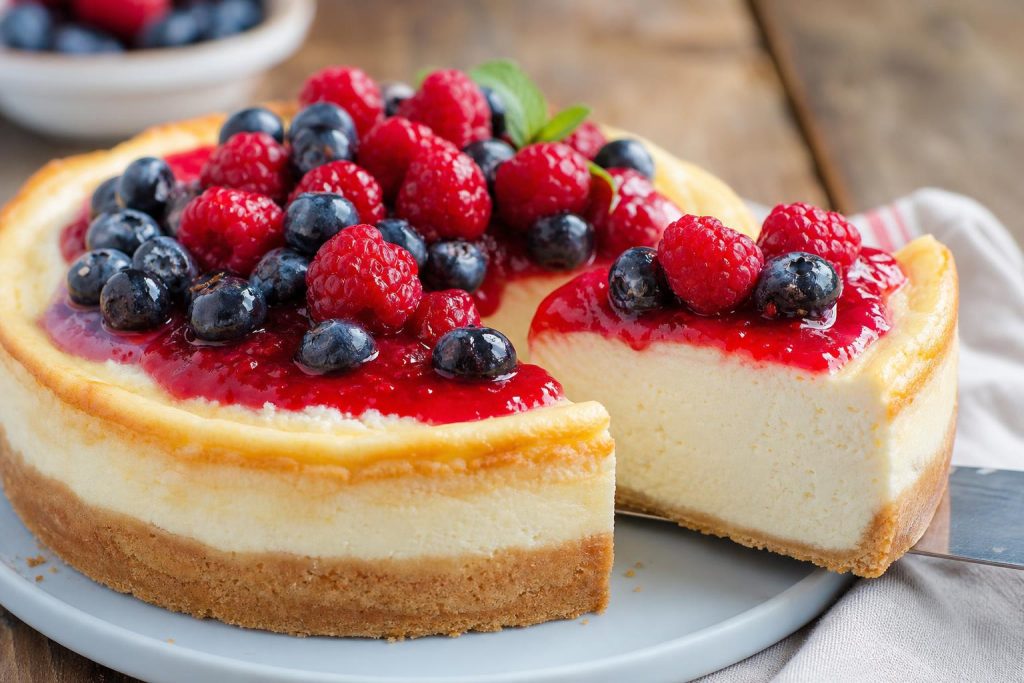
High-Protein Cottage Cheese Cheesecake: 38g Protein Per Slice
If you’re serious about body composition, you know that dessert doesn’t have to be a dietary liability. This cottage cheese cheesecake delivers the rich, creamy satisfaction you want while packing nearly 40 grams of protein per slice—making it a legitimate tool for fat loss and muscle preservation.
Traditional cheesecake is a macronutrient disaster: high calories, moderate protein, and enough sugar to derail your evening. This version flips that script. By leveraging cottage cheese as the base, you get a naturally high-protein dessert that actually supports your goals instead of working against them.
Why Cottage Cheese Works for High-Protein Desserts
Cottage cheese is one of the most underrated protein sources for men focused on body recomposition. At roughly 25g protein per cup with minimal carbs, it’s nutritionally dense. When blended smooth, it becomes an invisible ingredient that transforms any dessert into a macro-optimized creation without the chalky protein powder texture.
The casein protein in cottage cheese also digests slowly, keeping you satiated longer—critical when you’re in a calorie deficit or managing appetite on a GLP-1 or similar protocol.
High-Protein Cottage Cheese Cheesecake Recipe
Ingredients (Makes 8 slices)
Crust:
- 1 cup almond flour
- ¼ cup melted butter or coconut oil
- 2 tbsp monk fruit sweetener
- Pinch of sea salt
Filling:
- 2 cups full-fat cottage cheese (creamed or blended smooth)
- 8 oz cream cheese, softened
- ⅓ cup monk fruit sweetener or erythritol
- 3 large eggs
- 1 tbsp vanilla extract
- Zest of 1 lemon (optional, adds brightness)
- ¼ tsp sea salt
Optional Topping:
- ¼ cup sugar-free berry jam or fresh berries
Instructions
Step 1: Prepare the Crust
Preheat your oven to 325°F. Mix almond flour, melted butter, monk fruit sweetener, and salt in a bowl until the mixture resembles wet sand. Press firmly into a 9-inch springform pan, covering the bottom evenly. Bake for 8 minutes until lightly golden, then remove and let cool slightly.
Step 2: Blend the Cottage Cheese
This step is non-negotiable. Place cottage cheese in a blender and blend on high for 60-90 seconds until completely smooth with no curds visible. Lumpy cottage cheese will create an undesirable texture. Set aside.
Step 3: Make the Filling
In a large bowl, beat softened cream cheese and blended cottage cheese together with an electric mixer until fully combined and creamy (about 2 minutes). Add sweetener and mix well. Add eggs one at a time, beating on low speed after each addition—overmixing introduces excess air, which can cause cracks. Stir in vanilla extract, lemon zest if using, and sea salt.
Step 4: Bake Low and Slow
Pour filling onto the cooled crust. Place the springform pan inside a larger roasting pan and add hot water to the roasting pan until it reaches halfway up the sides of the springform (water bath method). This ensures even, gentle cooking and prevents cracking.
Bake at 325°F for 35-40 minutes. The cheesecake is done when the edges are set but the center still has a slight jiggle—about a 2-inch diameter circle in the middle should wobble gently when you shake the pan.
Step 5: Cool Properly
Turn off the oven and crack the door open about 4 inches. Let the cheesecake sit in the oven for 30 minutes. This gradual temperature change prevents the dreaded crack. Remove and cool completely at room temperature (about 1 hour), then refrigerate for at least 6 hours or overnight.
Step 6: Serve
Top with fresh berries or a thin layer of sugar-free jam if desired. Use dental floss or a hot, wet knife to cut clean slices—it’s worth the effort.
Macro Breakdown Per Slice
- Calories: 285
- Protein: 38g
- Fat: 14g
- Carbs: 4g
- Net Carbs: 3g
Pro Tips for Maximum Results
Meal Prep Strategy: This cheesecake keeps for 5 days refrigerated and freezes beautifully for up to 3 weeks. Slice and portion into individual containers immediately after cooling. You now have grab-and-go high-protein desserts ready when cravings hit.
Sweetener Notes: Monk fruit and erythritol work best here. Stevia can leave a bitter aftertaste in cheesecake. Start with the suggested amount and adjust to your preference—these sweeteners are typically 150-200x sweeter than sugar.
Texture Troubleshooting: If your cheesecake cracks significantly, you’ve likely overmixed the filling or skipped the water bath. Both increase the air content and cause structural failure during cooling.
For Aggressive Fat Loss: This dessert works exceptionally well as a post-workout protein boost or evening satiety tool when you’re in a steep calorie deficit. The high protein-to-calorie ratio means you’re getting substantial satiation without derailing your numbers.
Flavor Variations: Add a tablespoon of cocoa powder for chocolate cheesecake. Reduce vanilla to ½ tbsp and add ½ tsp almond extract for a subtly different profile. Both maintain the macro targets.
This isn’t a “cheat” dessert—it’s a legitimate nutritional tool disguised as indulgence. When your goal is sustainable fat loss with muscle preservation, this is exactly the kind of food engineering that makes the process actually enjoyable.
Inspired by content from Diet Doctor (https://www.dietdoctor.com/8-low-carb-cottage-cheese-desserts)