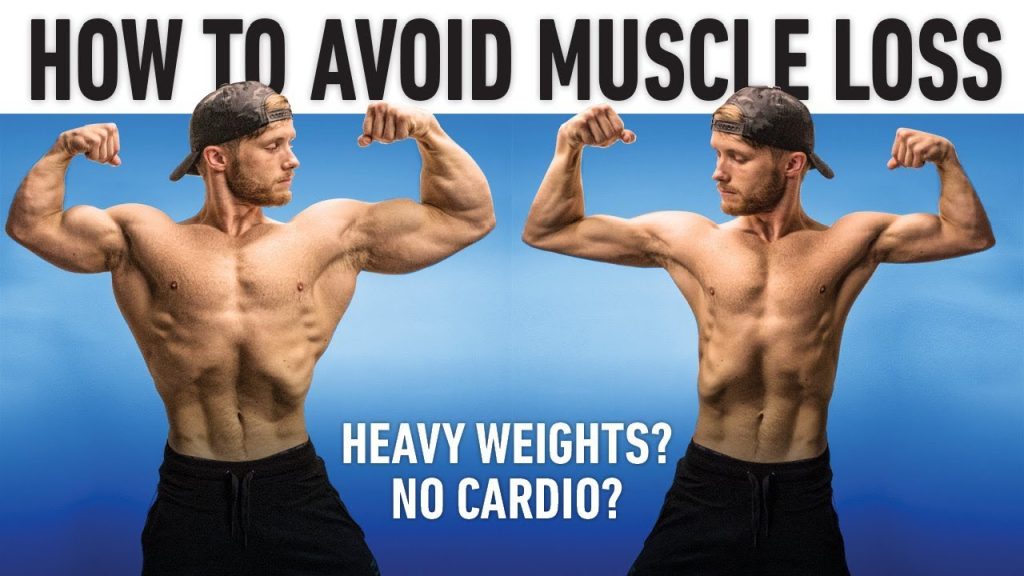
Video by Jeff Nippard on YouTube
When researchers at the University of Texas Medical Branch put GLP-1 receptor agonist users under the microscope, what they found should concern anyone relying on these medications alone to transform their body: a significant portion of the weight lost on drugs like semaglutide and tirzepatide comes not just from fat, but from lean muscle mass. Studies have shown that roughly 25–40% of total weight lost during GLP-1 therapy can be attributed to lean tissue — a metabolic disaster hiding inside an otherwise impressive number on the scale. If you’re using a GLP-1 medication and you’re not resistance training, you may be winning the battle and losing the war.
This isn’t an argument against GLP-1 medications. Semaglutide, tirzepatide, and their class of drugs have demonstrated remarkable efficacy for fat loss and metabolic health restoration. But pharmacology doesn’t build muscle. Only progressive overload does. And for men specifically, preserving and building lean mass isn’t just an aesthetic goal — it’s the foundation of long-term metabolic health, insulin sensitivity, hormonal balance, and functional longevity.
What GLP-1 Medications Do to Your Body Composition
GLP-1 receptor agonists work primarily by slowing gastric emptying, suppressing appetite, and improving glucose-dependent insulin secretion. The result is a sustained caloric deficit that most people find far easier to maintain than willpower-based dieting alone. In clinical trials, semaglutide produced an average body weight reduction of approximately 14.9% over 68 weeks — a number that generated enormous excitement in the obesity medicine community.
But weight loss is not the same as fat loss. When you drop calories dramatically — whether through medication, aggressive dieting, or both — the body does not selectively burn stored fat. It draws on whatever fuel is most accessible, and without a training stimulus telling your muscles they’re needed, lean tissue becomes fair game. This process, known as muscle protein catabolism, accelerates in the context of rapid weight loss and low protein intake. Research consistently demonstrates that resistance training is the most effective intervention for preserving lean mass during a caloric deficit — more effective than protein supplementation alone, and far more effective than cardio.
For men on GLP-1 therapy, the appetite suppression these drugs produce creates an additional problem: it becomes harder to eat enough protein. When you’re not hungry, hitting 160 grams of protein per day feels like a chore. But that protein, paired with a structured lifting program, is the biological signal your body needs to hold onto muscle while shedding fat. Without it, you’re essentially paying to lose the tissue that keeps your metabolism running efficiently for decades.
The Science of Resistance Training for Metabolic Health
Resistance training does something no medication currently can: it creates metabolically active tissue that burns calories at rest, improves insulin sensitivity at the cellular level, and supports hormonal health — particularly testosterone, which declines with obesity and rebounds meaningfully with both fat loss and strength training. A landmark meta-analysis found that resistance exercise significantly improved insulin sensitivity independent of changes in body weight, meaning the benefits of lifting extend well beyond what the scale reflects.
Skeletal muscle is also the largest disposal site for glucose in the body. The more muscle you have, the more efficiently your body clears blood sugar after meals — a process that becomes dysregulated in men with metabolic syndrome, prediabetes, or type 2 diabetes. GLP-1 medications address this from the pancreatic side. Resistance training addresses it from the muscular side. Used together, the two approaches are synergistic in a way that neither achieves alone.
For men not on GLP-1 medications, this logic applies with equal force. Whether you’re cutting weight through a caloric deficit, following a ketogenic protocol, or simply trying to optimize body composition over time, resistance training is the irreplaceable variable. Research published in Obesity shows that combining resistance training with caloric restriction results in significantly better preservation of lean mass compared to diet alone, while producing comparable or superior fat loss outcomes.
Practically speaking, the minimum effective dose of resistance training for muscle preservation during a deficit appears to be two to three full-body sessions per week, with an emphasis on compound movements — squats, deadlifts, rows, presses — performed with progressive overload. That means adding weight, reps, or training density over time. The body adapts quickly; stagnation is the enemy. Protein intake should be anchored at a minimum of 0.7 grams per pound of bodyweight daily, with many researchers now recommending closer to 1 gram per pound for men in a deficit or over the age of 40, where anabolic resistance — the reduced muscle protein synthesis response to a given protein dose — begins to emerge.
If you’re on a GLP-1 medication and struggling to eat enough, prioritize protein at every meal before anything else. Eggs, Greek yogurt, cottage cheese, lean meats, and protein shakes are all efficient delivery vehicles. The appetite suppression will work against you here, but think of hitting your protein target not as eating for hunger, but as taking medicine for your muscles.
The Takeaway
GLP-1 medications are a legitimate and powerful tool in the fight against obesity and metabolic disease. But they are not a substitute for the physiological stimulus that only resistance training provides. If you’re using semaglutide or tirzepatide and skipping the gym, you’re outsourcing your fat loss while quietly dismantling the metabolic engine that will determine your health trajectory for the next twenty years. And if you’re pursuing fat loss through any other method — diet, cardio, lifestyle change — the same principle holds. Lift heavy, eat enough protein, and give your body a reason to hold onto the tissue that matters most. The scale will tell you one story. Your muscle mass will tell the real one.