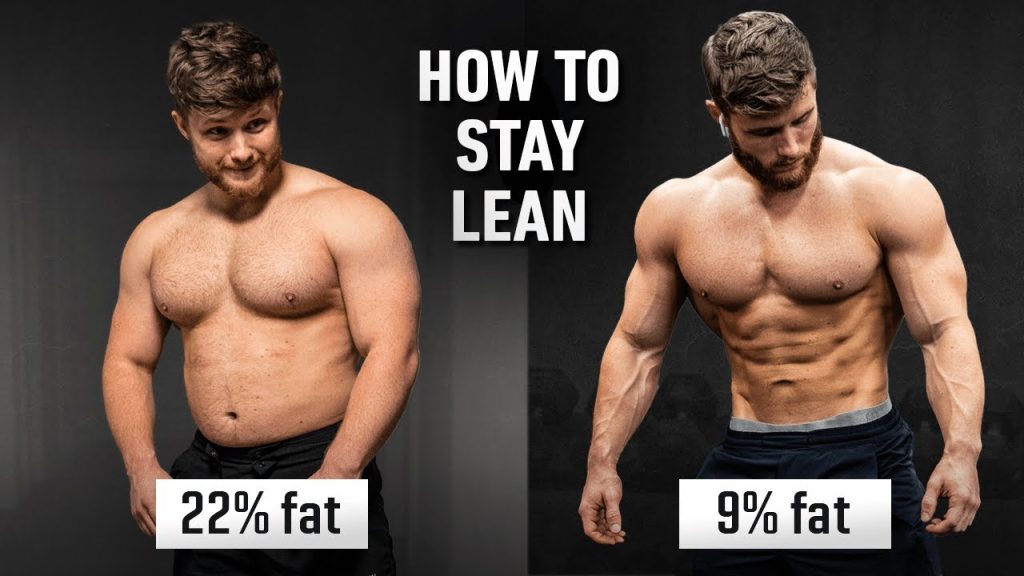
Video by Jeff Nippard on YouTube
Most men on a GLP-1 medication focus almost entirely on the appetite suppression — and understandably so, because watching the scale move without white-knuckling every meal feels like a revelation. But here’s what the research is quietly confirming: the drug is only part of the equation. Exercise doesn’t just complement GLP-1 therapy; it may actually drive some of the same biological machinery that makes these medications so effective in the first place.
A 2025 randomized clinical trial published in the Journal of Research in Medical Sciences found that just 8 weeks of structured resistance training significantly decreased fasting blood glucose and improved maximum oxygen consumption — changes that track closely with what GLP-1 receptor agonists are designed to produce. The study was conducted in children with type 1 diabetes, but the underlying metabolic signal is universal: physical activity raises circulating GLP-1 levels and favorably shifts the hormonal environment that governs blood sugar, fat storage, and energy use. If you’re on semaglutide or tirzepatide, training smarter could amplify everything the medication is already doing. If you’re not on any medication, these same training principles apply just as powerfully to your fat loss and metabolic health goals.
This is the workout program built around that science.
Why Exercise and GLP-1 Biology Are a Natural Match
GLP-1 — glucagon-like peptide-1 — is a hormone your gut naturally releases in response to food. It stimulates insulin secretion, suppresses glucagon, slows gastric emptying, and sends satiety signals to the brain. GLP-1 receptor agonist medications like semaglutide work by mimicking and extending this signal. What most people don’t realize is that exercise independently stimulates GLP-1 release and upregulates the sensitivity of tissues that respond to it.
The 2025 trial referenced above also measured microRNA-192, a molecule involved in insulin signaling and diabetic complications. Both home-based resistance training and leisure-time physical activity groups showed meaningful improvements across metabolic markers — suggesting that the type of exercise matters less than the consistency and progression of the effort. For men pursuing fat loss, muscle retention, or metabolic recovery, this is an important framing: you don’t need a perfect program to move the needle. You need a sustainable one that you actually do.
That said, the structure of your training absolutely affects how much you get out of it, especially when your appetite is suppressed and caloric intake is lower than usual. GLP-1 medications create a physiological environment where the body can more easily access fat stores — but they also create the risk of losing lean muscle mass if resistance training isn’t part of the picture. The men who come out of a GLP-1 cycle looking and feeling their best are almost universally the ones who lifted consistently throughout.
Building the Program: What to Prioritize and Why
The framework here is straightforward: resistance training as the foundation, cardiovascular work as the metabolic accelerator, and recovery as the multiplier. Where this program differs from generic gym advice is in how it accounts for the specific demands placed on the body when you’re in a significant caloric deficit — whether that deficit comes from a medication, a disciplined diet, or both.
Resistance training should be performed three to four days per week, built around compound movements that recruit the largest muscle groups possible. Think squats, Romanian deadlifts, bench press, rows, and overhead pressing. These movements stimulate the greatest anabolic hormonal response and preserve lean mass more effectively than isolation exercises done in the same time window. Aim for three to four sets per exercise in the 6 to 12 repetition range, using a weight that makes the final two reps genuinely challenging. Progressive overload — adding weight or reps over time — is non-negotiable. Without it, the body has no reason to maintain muscle tissue in a deficit.
On days between lifting sessions, moderate-intensity cardiovascular work does real metabolic work without significantly blunting recovery. A 30 to 45-minute walk at a brisk pace, a cycling session, or swimming all qualify. Zone 2 cardio — the intensity where you can hold a conversation but feel your breathing — has been shown to improve mitochondrial density, enhance fat oxidation, and support insulin sensitivity over time. This is the kind of activity the 2025 trial categorized as leisure-time physical activity, and it produced measurable improvements in GLP-1 levels and blood glucose even without a structured gym environment. The takeaway: movement throughout the day matters, not just what you do during your training window.
Protein intake deserves special attention here. When appetite is suppressed, the natural tendency is to eat less of everything — but protein cannot be the casualty. A target of 0.7 to 1.0 grams of protein per pound of bodyweight is the standard recommendation for men in a fat-loss phase who are resistance training. Hitting that number while consuming fewer total calories requires intentionality. Prioritize lean proteins — chicken, fish, eggs, Greek yogurt, cottage cheese — at every meal, and consider a high-quality protein supplement to fill gaps when appetite makes whole food consumption difficult.
Sleep and recovery are where the hormonal benefits of this entire program are actually realized. Testosterone, growth hormone, and IGF-1 — the primary anabolic signals that drive muscle retention and fat metabolism — are predominantly secreted during deep sleep. Seven to nine hours in a cool, dark room isn’t optional advice; it’s the recovery protocol. Men who chronically undersleep while training in a deficit are fighting a losing battle against cortisol, which both promotes muscle breakdown and drives fat storage around the abdomen.
A Practical Weekly Structure
A well-designed week for a man running this program might look like this: Monday, full-body resistance training with an emphasis on lower body compounds. Tuesday, a 40-minute Zone 2 cardio session or active recovery walk. Wednesday, upper body resistance training with pushing and pulling movements in balance. Thursday, rest or light activity. Friday, full-body resistance training with emphasis on posterior chain. Saturday, longer Zone 2 session, 45 to 60 minutes, or a recreational activity that keeps you moving. Sunday, true rest and recovery.
If you’re on a GLP-1 medication, time your training sessions for periods when your energy is highest — many users report more consistent energy in the morning before appetite suppression fully kicks in. Hydration also requires active attention; nausea and reduced thirst signals are common side effects that can compound dehydration during exercise. Aim for a minimum of half your bodyweight in ounces of water daily, more on training days.
If you’re not on any medication and pursuing these goals through diet and training alone, the same program applies with equal force. The metabolic adaptations driven by resistance training and Zone 2 cardio are the same regardless of pharmaceutical support. The research makes this clear: your body’s GLP-1 axis responds to how you move.
The Takeaway
The men who get the most out of GLP-1 therapy — or out of any serious fat loss effort — aren’t the ones who rely on a single intervention. They’re the ones who stack the variables intelligently: structured resistance training to preserve muscle, consistent cardiovascular work to drive metabolic adaptation, adequate protein to support recovery, and quality sleep to let the hormonal environment do its job. The science published in 2025 reinforces what exercise physiologists have argued for years — movement directly influences the hormones that govern metabolic health. Whether you’re using medication as a tool or building your results from the ground up, the workout program doesn’t change. Pick up heavy things, move your body daily, eat enough protein, and recover like it matters. Because it does.
Scientific References
-
Nazari, Minasian, Hovsepian et al. (2025).
Impact of an 8-week home-based resistance training and leisure-time physical activity on serum glucagon-like peptide-1 and microRNA-192 levels in children with type 1 diabetes: A randomized clinical trial..
Journal of research in medical sciences : the official journal of Isfahan University of Medical Sciences.
View on PubMed →