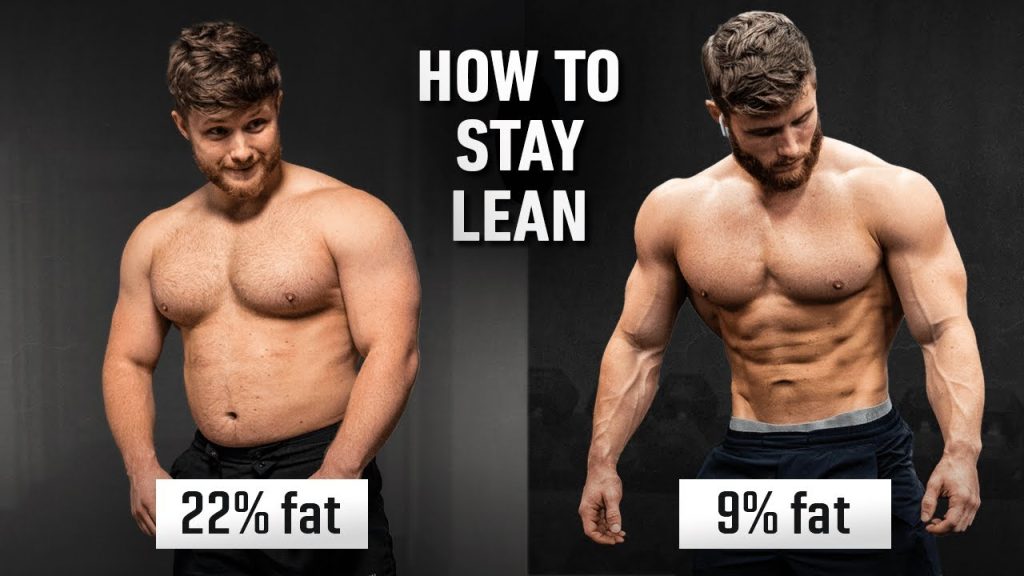
Video by Jeff Nippard on YouTube
Here’s a problem most men on GLP-1 medications don’t see coming: the scale drops fast, but so does muscle mass — sometimes alarmingly so. Research published in Diabetes Care found that in trials of semaglutide, approximately 39% of total weight lost came from lean mass rather than fat tissue. That’s not a minor footnote. Lose enough muscle and you’ll slow your metabolism, weaken your frame, and end up looking and feeling worse than when you started — even if the number on the scale looks great. The fix isn’t complicated, but it does require a deliberate training strategy built around what GLP-1 medications actually do to your body.
This isn’t just a GLP-1 story, either. Any man in a caloric deficit — whether through appetite suppression, a structured diet, or sheer discipline — faces the same physiological challenge. The principles of a smart workout program while losing weight are universal. GLP-1 users just experience the stakes more acutely, because the weight loss is faster and the appetite suppression more complete, making it easy to under-eat protein and skip the gym when nausea hits.
The goal of a GLP-1-optimized workout program isn’t weight loss. Weight loss is already happening. The goal is body composition — stripping fat while holding on to as much lean tissue as possible. That distinction changes everything about how you should train.
Why Resistance Training Has to Come First
If you’re only doing cardio while on a GLP-1 medication, you’re leaving serious results on the table. A landmark meta-analysis in Obesity Reviews confirmed that resistance training during caloric restriction is the most effective intervention for preserving lean mass, outperforming aerobic exercise alone by a significant margin. The signal that resistance training sends to the body — particularly through the mTOR pathway — is essentially a survival message: keep this muscle, it’s being used.
For men on GLP-1 medications, the practical structure that works best is three to four days of resistance training per week, built around compound, multi-joint movements. Squats, deadlifts, bench press, rows, overhead pressing, and pull-ups should form the backbone. These exercises recruit the most muscle fibers, produce the greatest anabolic hormonal response, and deliver the highest metabolic return per session. Isolation work — curls, lateral raises, cable flyes — has its place, but it shouldn’t be the centerpiece of a program designed to fight muscle loss during aggressive weight reduction.
Volume and intensity matter here. Research in the Journal of Strength and Conditioning Research supports training in the moderate rep range — roughly 6 to 15 repetitions per set — with loads that bring you close to muscular failure, as the most effective stimulus for hypertrophy and muscle retention across populations. You don’t need to max out every session. You do need to push with intent. Two to four working sets per exercise, three to four exercises per session, and you have a program that does its job without destroying your recovery capacity — which is already compromised when calories are low.
One common mistake GLP-1 users make is drastically cutting workout volume because they feel fatigued or nauseated, particularly in the first few weeks of dose escalation. The better approach is to scale intensity temporarily — reduce the load or number of sets — but maintain frequency. Staying in the gym three to four days a week, even with lighter sessions, preserves the neuromuscular signaling that keeps muscle tissue viable. Dropping to one session a week does not.
Protein, Cardio, and the Metabolic Middle Ground
No workout program works in isolation from diet, and this is where GLP-1 users face a unique logistical challenge. The medications suppress appetite so effectively that many men find themselves eating 1,000 to 1,200 calories per day — well below what’s needed to support muscle protein synthesis. Current evidence supports a protein intake of at least 1.6 grams per kilogram of body weight per day for men in a caloric deficit who are resistance training, with some research suggesting benefits up to 2.2 grams per kilogram during aggressive fat loss phases. When your appetite is blunted, hitting those numbers requires strategy: protein shakes, Greek yogurt, cottage cheese, eggs, and lean meats need to be prioritized intentionally at every eating opportunity.
Cardiovascular training plays a supporting role in a well-designed GLP-1 workout program, but it shouldn’t dominate the schedule. Two to three sessions of moderate-intensity cardio per week — 20 to 40 minutes of brisk walking, cycling, or incline treadmill work — is sufficient to support cardiovascular health, improve insulin sensitivity, and create an additional caloric deficit without undercutting recovery. Studies on zone 2 aerobic training have shown meaningful improvements in mitochondrial function and metabolic flexibility, which are especially relevant for men coming from a background of metabolic dysfunction or type 2 diabetes — conditions that frequently overlap with GLP-1 use.
High-intensity interval training (HIIT) is often marketed as the gold standard for fat loss, but for men in a significant caloric deficit, the recovery demand can be counterproductive. HIIT raises cortisol substantially, and chronically elevated cortisol in a hypocaloric state accelerates muscle catabolism. Use it sparingly — once a week at most — and prioritize steady-state cardio for the bulk of your aerobic work during this phase.
Sleep and recovery also deserve explicit mention in any serious training program. Research from the University of Chicago demonstrated that sleep restriction during caloric restriction significantly increased the proportion of lean mass lost versus fat mass — a finding with direct implications for anyone trying to improve body composition. Seven to nine hours of sleep isn’t a luxury for men on a GLP-1 program. It’s a core component of the protocol.
What This Means For You
The body doesn’t care whether your caloric deficit comes from a GLP-1 medication, a disciplined meal plan, or two-a-day training sessions. The biological challenge is the same: preserve muscle, lose fat, keep the metabolism from downshifting into survival mode. A well-designed workout program — anchored in compound resistance training, supplemented with moderate cardio, and backed by adequate protein — is how you win that battle regardless of the method getting you there.
If you’re on semaglutide or tirzepatide, treat the medication as the tool it is: a powerful appetite suppressant that creates the caloric environment for fat loss. The training and nutrition are still your job. Show up to lift three to four times a week, hit your protein targets even when you’re not hungry, sleep like it’s part of the prescription — because physiologically, it is. The men who get the best results from GLP-1 medications aren’t the ones who simply take the medication and watch the scale move. They’re the ones who pair it with a training program that ensures what they’re losing is actually fat.