A 2022 meta-analysis published in Obesity Reviews found that high-intensity interval training produced significantly greater reductions in total body fat and visceral adipose tissue compared to moderate-intensity continuous training, even when total exercise volume was matched. That finding alone should reshape how men approach their cardio. But when you layer in the challenge of preserving lean muscle during aggressive fat loss — whether you’re cutting calories through discipline alone, following a ketogenic protocol, or using a GLP-1 medication like semaglutide — the conversation gets more nuanced, and the stakes get higher.
The goal isn’t just to lose weight. It’s to lose fat while keeping — or building — the muscle that drives your metabolism, protects your joints, and makes you look like you actually train. HIIT, structured correctly, may be one of the most efficient tools available to accomplish both simultaneously.
Why HIIT Hits Different for Fat Loss and Metabolic Health
The mechanism behind HIIT’s fat-burning edge comes down to something called excess post-exercise oxygen consumption, or EPOC — the elevated metabolic rate your body maintains for hours after an intense session ends. Research has demonstrated that HIIT elevates EPOC significantly more than steady-state cardio, meaning you continue burning calories at an accelerated rate long after you’ve left the gym. For men in a caloric deficit, that extended burn matters.
Beyond EPOC, HIIT directly targets visceral fat — the metabolically dangerous adipose tissue packed around your organs that drives insulin resistance, systemic inflammation, and cardiovascular risk. A controlled trial in the Journal of Obesity confirmed that 16 weeks of HIIT produced significant reductions in abdominal fat, including visceral fat mass, without dietary changes. Now apply a caloric deficit on top of that, and you have a serious fat loss protocol.
HIIT also improves insulin sensitivity — a cornerstone of metabolic health regardless of your current body composition or approach to dieting. Studies show HIIT can improve insulin sensitivity comparably to or better than continuous aerobic exercise in a fraction of the time, which matters for men dealing with prediabetes, metabolic syndrome, or simply the creeping metabolic dysfunction that comes with years of sedentary habits and poor nutrition.
The Muscle Preservation Problem — And How to Solve It
Here’s where most men go wrong during fat loss phases: they cut calories aggressively, add cardio, and skip resistance training because they’re tired. The result is predictable — they lose weight, but a significant portion of that loss comes from lean muscle mass. This is sometimes called “skinny fat” recomposition in reverse, and it undermines long-term metabolic health because muscle tissue is metabolically active in a way fat simply isn’t.
This problem is particularly relevant for men using GLP-1 receptor agonists like semaglutide or tirzepatide, which can suppress appetite so effectively that total caloric intake drops sharply. Clinical data from the SURMOUNT-1 trial showed that participants on tirzepatide lost substantial lean mass alongside fat mass, reinforcing that pharmacological appetite suppression alone is not a muscle-preservation strategy. But this challenge isn’t exclusive to GLP-1 users — any man eating in a significant caloric deficit faces the same risk.
The solution has two components: resistance training and adequate protein intake. These are non-negotiable. Research consistently shows that resistance training during caloric restriction is the most effective intervention for attenuating lean mass loss, and protein intake at or above 1.6 grams per kilogram of body weight supports muscle protein synthesis even in a deficit. HIIT complements this framework — it doesn’t replace lifting, but it maximizes fat oxidation and cardiovascular adaptation on days between resistance sessions.
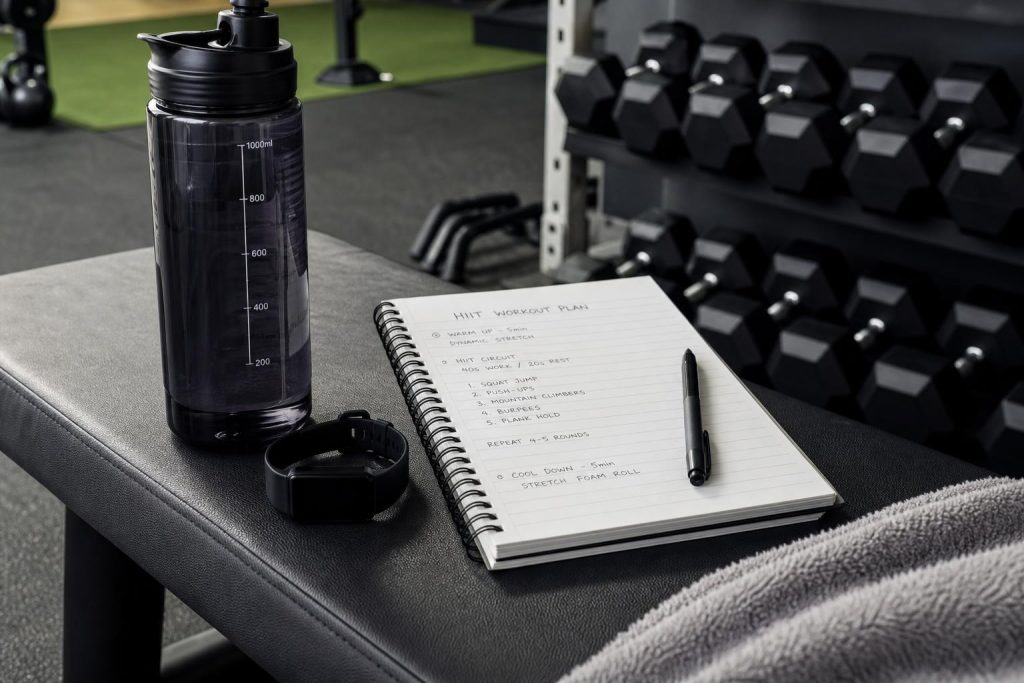
The practical structure that emerges from the research looks like this: three days per week of compound-heavy resistance training — squats, deadlifts, presses, rows — paired with two to three HIIT sessions of 20 to 30 minutes each, performed on alternate days or after lifting. Keep HIIT sessions short enough to avoid excessive cortisol accumulation, which at high volumes can itself become catabolic. A work-to-rest ratio of 1:2 — think 30 seconds of hard effort followed by 60 seconds of recovery — repeated for 8 to 10 rounds is a well-studied and sustainable approach. Cycling, rowing, and sled pushes are joint-friendly options that allow you to push hard without the impact stress of sprinting, particularly if you’re heavier or coming back from a period of inactivity.
For men using GLP-1 medications specifically, timing workouts around energy availability becomes more important. Reduced appetite can mean reduced glycogen stores, so training in a fully depleted state without a small protein-rich meal or snack beforehand may impair performance and recovery. This isn’t about loading up on carbs — even 20 to 30 grams of protein before a session can blunt muscle protein breakdown and support a productive workout. For everyone else, the same principle applies: don’t train fasted if performance and muscle retention are priorities.
What This Means for You
HIIT is not a trend. It’s a well-validated, time-efficient protocol with decades of research behind it showing real results in fat loss, visceral adiposity reduction, insulin sensitivity, and cardiovascular fitness. But it works best as part of a complete system — not as a standalone solution. Anchor your program to resistance training, hit your protein targets every single day, and use HIIT as the metabolic multiplier it’s designed to be. Whether you’re cutting on keto, managing your intake with a GLP-1, or just grinding through a traditional deficit with iron discipline, the physiology doesn’t change. Muscle is earned and protected through progressive overload and protein. Fat is lost through a sustained deficit and smart conditioning. HIIT is one of the best tools in that second category — use it deliberately, and it will deliver.