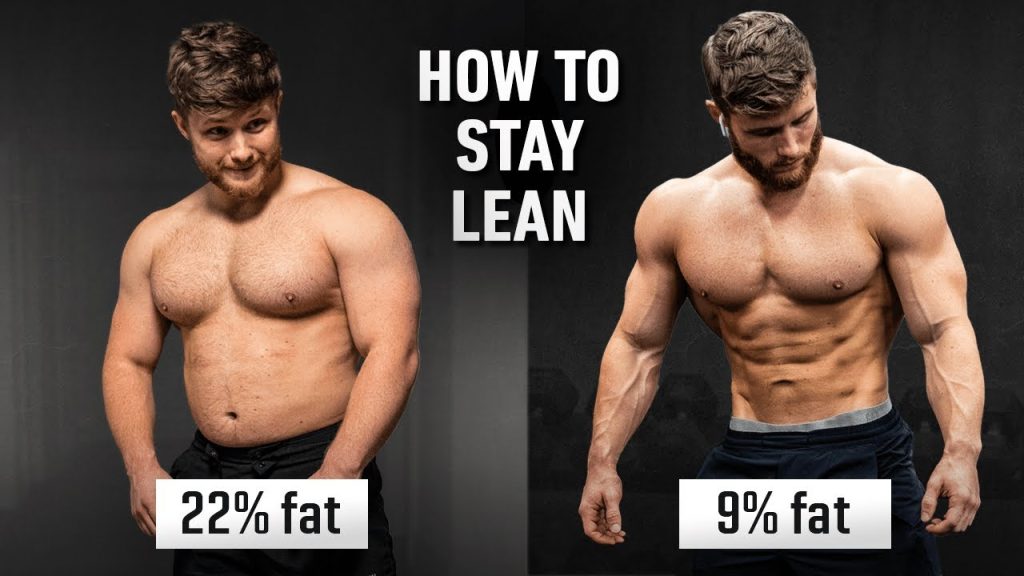
Video by Jeff Nippard on YouTube
When researchers at the University of Copenhagen put GLP-1 receptor agonist users through a structured resistance training protocol, they found something that should change how every man on these medications thinks about the gym. The drug was doing its job — calories were down, appetite was suppressed — but without deliberate, purposeful exercise, a significant portion of the weight lost was lean muscle mass. Research published in Diabetes Care confirmed what physiology has long told us: caloric restriction alone, even with powerful pharmacological support, is not a complete body recomposition strategy. Movement is non-negotiable.
If you’re using semaglutide, tirzepatide, or any GLP-1 receptor agonist to accelerate fat loss, the exercise program you pair with it may ultimately determine whether you come out the other side leaner and stronger — or lighter but metabolically fragile. The good news is that the science gives us a clear blueprint. And most of it applies whether you’re on a GLP-1 medication or simply eating in a caloric deficit the old-fashioned way.
Why Muscle Preservation Is the Primary Mission
GLP-1 medications work by slowing gastric emptying, reducing appetite, and improving insulin sensitivity. The result is a meaningful reduction in caloric intake — often 20 to 30 percent below maintenance without much conscious effort. That’s a significant deficit. And significant deficits, without adequate protein and resistance training, create the conditions for muscle loss.
A 2019 meta-analysis in Obesity Reviews found that during caloric restriction-induced weight loss, lean mass loss can account for anywhere from 20 to 30 percent of total weight lost when resistance training is absent. For men specifically, this matters beyond aesthetics. Muscle mass is metabolically active tissue — it drives resting energy expenditure, governs insulin-mediated glucose disposal, and protects against the metabolic slowdown that follows aggressive weight loss. Lose enough of it and the rebound risk climbs sharply.
The prescription here is straightforward: resistance training performed at least three days per week, centered on compound movements that challenge the large muscle groups. Squats, deadlifts, rows, presses, and loaded carries. These are not optional accessories to a GLP-1 program — they are the structural foundation of it. Evidence from the Journal of Cachexia, Sarcopenia and Muscle consistently shows that progressive resistance training is the most effective single intervention for preserving lean mass during energy restriction, outperforming protein supplementation, cardio, and every other variable tested in isolation.
Practically speaking, this means lifting with intention. Sets of six to twelve repetitions taken close to muscular failure, progressing load over time, and prioritizing recovery between sessions. If you’re new to training and using a GLP-1, start with full-body sessions three times per week before splitting into upper and lower days as your capacity builds. The goal in the early weeks is not performance — it’s establishing the anabolic signal that tells your body to hold onto muscle even as the scale moves downward.
Cardio Has a Role — But It’s Supporting, Not Leading
Cardiovascular exercise belongs in any intelligent fitness program, but men on GLP-1 medications — or anyone eating in a sustained deficit — need to deploy it strategically rather than aggressively. The temptation to stack high volumes of cardio on top of a drug-induced caloric suppression is real, but it carries a cost. Excessive aerobic volume without matching caloric and protein intake creates a deeper energy deficit, accelerates muscle protein breakdown, and elevates cortisol — a hormonal environment that is directly antagonistic to body composition goals.
Research from Medicine and Science in Sports and Exercise demonstrated that moderate-intensity steady-state cardio, performed three to five times per week at 60 to 75 percent of maximum heart rate, improves cardiovascular function and supports fat oxidation without significantly impairing recovery or muscle retention when protein targets are met. This is the sweet spot for GLP-1 users: walking, incline treadmill work, cycling, or swimming for 30 to 45 minutes at a conversational pace, done on separate days from resistance training or immediately after lifting — never as a replacement for it.
Zone 2 training — steady effort where you can still hold a conversation — deserves special mention. Emerging research on mitochondrial adaptations shows that consistent low-to-moderate intensity aerobic work meaningfully improves insulin sensitivity and metabolic flexibility independent of weight loss itself. For men managing blood sugar, metabolic syndrome, or early type 2 diabetes alongside GLP-1 therapy, this is compounding benefit — the drug and the training reinforcing each other through overlapping mechanisms.
Protein, Timing, and the Practical Details That Determine Outcomes
No exercise program operates in a nutritional vacuum, and this is where GLP-1 users face a unique challenge. Appetite suppression is the medication’s chief asset — but it also reduces the drive to eat protein, which is the one macronutrient you cannot afford to undercut. The current evidence supports a target of 1.6 to 2.2 grams of protein per kilogram of bodyweight daily for men engaged in resistance training under caloric restriction. That is not a passive number — it requires intentional prioritization at every meal.
If eating enough whole food protein feels difficult due to appetite suppression, a high-quality whey or casein protein supplement consumed post-training is a pragmatic solution. Time your training sessions for when your appetite is most reliably present — often midday or early afternoon for GLP-1 users — and structure meals around protein first, filling remaining calories with vegetables and complex carbohydrates. Pre-workout carbohydrates deserve attention too: even a modest 20 to 30 grams of fast-digesting carbohydrate before lifting sessions can meaningfully improve training output when overall intake is low, protecting the quality of the anabolic stimulus you’re working to generate.
Sleep and recovery matter more under these conditions than most men appreciate. A landmark study in the Annals of Internal Medicine found that restricting sleep to 5.5 hours per night during a caloric deficit reduced the proportion of weight lost as fat by 55 percent and substantially increased lean mass loss — independent of diet or exercise. Seven to nine hours of sleep is not a luxury when you are asking your body to recompose under energy restriction. It is a physiological requirement.
The Takeaway
GLP-1 medications are a legitimate and powerful tool for men working to reduce body fat and improve metabolic health. But a drug that suppresses appetite does not automatically build a better body — that still requires you to show up in the gym, move heavy weight, eat enough protein, and recover with intention. The men who get the best results from these medications are not the ones who let the drug do all the work. They’re the ones who treat the medication as a tailwind and the exercise program as the engine. Build the engine first. Let everything else support it.