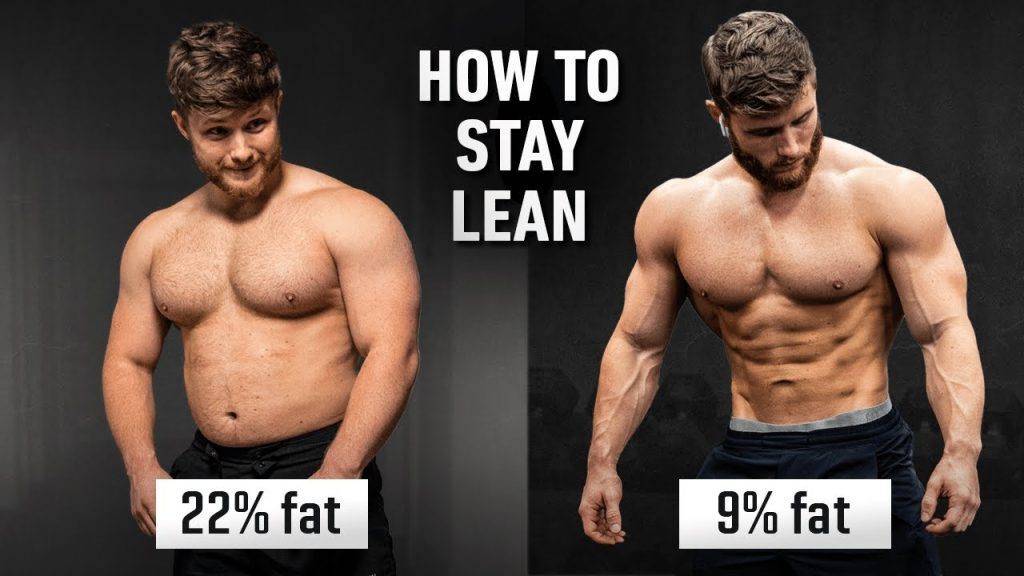
Video by Jeff Nippard on YouTube
When researchers at the University of Copenhagen studied what happened to body composition during significant caloric restriction, they found something that should concern every man chasing rapid fat loss: without structured resistance training, roughly 25 to 40 percent of weight lost comes from lean mass, not fat. That number climbs even higher when appetite suppression is severe — exactly the condition created by GLP-1 receptor agonists like semaglutide and tirzepatide. Whether you’re using one of these medications or simply running a hard caloric deficit through diet alone, the physiological challenge is identical: your body is in an energy-depleted state, and without the right training stimulus, it will cannibalize muscle to meet its needs.
This is the central problem that a well-designed GLP-1 exercise plan is built to solve. But here’s the thing — the principles that govern smart training during GLP-1 use are the same principles that govern smart training during any aggressive fat loss phase. Lower calorie intake, higher protein needs, elevated risk of muscle loss, and a need to prioritize recovery aren’t unique to medication users. They’re universal. The GLP-1 context just makes these principles more urgent, and for many men, it’s the first time they’ve had a concrete reason to take exercise seriously alongside dietary changes.
So whether you’re injecting semaglutide weekly, following an aggressive ketogenic diet, or simply eating in a 500-calorie daily deficit, this training framework is built for you. The goal is the same across the board: lose fat, keep your muscle, improve your metabolic health, and actually feel better when you’re done.
Why Muscle Preservation Is the Non-Negotiable Priority
Most men who start losing significant weight focus almost entirely on the scale. The number goes down, the pants get looser, and the progress feels real. What they often don’t realize until later is that some of that weight loss came at a cost — specifically, from skeletal muscle tissue that took years to build and supports everything from their resting metabolic rate to their insulin sensitivity to their long-term mobility.
The science here is unambiguous. A 2023 analysis of the STEP trials for semaglutide confirmed that while participants lost an average of 15 percent of body weight, a meaningful proportion of that loss was lean mass — a concern echoed by obesity researchers who emphasize that fat loss medications need to be paired with resistance training and adequate protein intake. Tirzepatide trials showed similar patterns. The medications are extraordinarily effective at reducing appetite and total caloric intake, but they don’t selectively burn fat. Your body still follows the same metabolic rules it always has.
The good news is that the fix is straightforward. A landmark meta-analysis published in Obesity Reviews confirmed that combining resistance training with a caloric deficit preserves significantly more lean mass than diet alone — and in some cases allows simultaneous muscle gain and fat loss, particularly in men who are newer to structured training. The muscle-sparing signal sent by progressive overload is powerful enough to override much of the catabolic pressure created by energy restriction. You don’t need to train like a competitive bodybuilder. You need to train consistently and intelligently.
Protein intake is the other half of this equation. When calories are suppressed — whether by medication or willpower — hitting protein targets becomes harder and more critical simultaneously. Research consistently supports a target of 1.6 to 2.2 grams of protein per kilogram of body weight for men in a caloric deficit who are resistance training. For a 200-pound man, that’s roughly 145 to 200 grams of protein per day — a target that requires deliberate planning, especially when total appetite is blunted. High-quality protein sources like eggs, Greek yogurt, cottage cheese, lean beef, chicken, and whey protein become non-negotiable nutritional anchors around your training schedule.
Building the Training Framework: Resistance First, Cardio Second
The most common mistake men make when starting a weight loss program — with or without GLP-1 medications — is leading with cardio. It feels intuitive. Cardio burns calories, and you’re trying to create a caloric deficit. But this logic ignores the metabolic architecture of long-term fat loss. Resistance training builds and preserves the lean tissue that determines your resting metabolic rate. More muscle means more calories burned at rest, better insulin sensitivity, and a body that partitions nutrients more effectively. Cardio complements this, but it cannot replace it.
For men on GLP-1 medications or in any significant caloric deficit, the training week should be anchored by three to four resistance training sessions. These sessions don’t need to be marathon efforts — research from McMaster University has shown that training volumes as low as two to four sets per muscle group per week are sufficient to maintain lean mass, with higher volumes producing greater hypertrophy when recovery allows. The practical takeaway is that you shouldn’t use reduced energy levels as an excuse to skip strength work entirely, but you also don’t need to push volume to extremes when your body is operating on a caloric deficit.
A sensible weekly structure for most men looks something like this: two full-body resistance sessions anchored around compound movements — squats, deadlifts, bench press, rows, overhead press, and pull-ups or lat pulldowns — supplemented by one to two additional sessions that can either be a third resistance day focused on weak points or dedicated cardiovascular work. The compound movements matter most because they recruit the largest muscle groups and create the strongest anabolic stimulus with the least time investment. Isolation work for biceps and triceps is fine, but it should be secondary to the big lifts that actually move the needle on lean mass retention.
When energy levels are suppressed — a common experience in the first weeks of GLP-1 therapy or during aggressive dieting — training intensity should be managed carefully. This doesn’t mean going easy. It means being smart about when you train and what you prioritize. Training in the morning or at times when energy is highest helps. Studies on pre-workout nutrition during caloric restriction suggest that consuming a small protein-containing meal or shake 30 to 60 minutes before training can meaningfully support performance and muscle protein synthesis even in a deficit. If nausea is an issue — common in early GLP-1 use — lighter, easily digestible protein sources like a whey shake or Greek yogurt work better than solid meals close to training.
Cardiovascular training should be viewed as a metabolic tool, not a punishment. Zone 2 cardio — sustained aerobic effort at roughly 60 to 70 percent of maximum heart rate, where you can hold a conversation — is particularly valuable during weight loss phases because it improves mitochondrial efficiency and metabolic flexibility without generating the excessive cortisol response that high-intensity work can trigger in already energy-depleted individuals. Two to three sessions of 30 to 45 minutes of Zone 2 work per week — walking at an incline, cycling, rowing, or swimming — provides meaningful cardiovascular and metabolic benefit without compromising strength training recovery.
High-intensity interval training (HIIT) has a place in this framework, but it deserves context. HIIT is metabolically demanding and recovery-intensive. For men who are sleeping well, hitting protein targets, and not experiencing significant fatigue from GLP-1 side effects or a deep caloric deficit, one HIIT session per week can be a productive addition. For men who are struggling with energy, sleep disruption, or GI side effects, HIIT should be deprioritized in favor of Zone 2 and resistance training until the body adapts. The worst outcome is burning out in week three because you trained too aggressively too soon.
Recovery, Sleep, and the Hormonal Reality of Fat Loss
No exercise plan survives contact with poor recovery. This is true for every man trying to improve his body composition, and it’s even more relevant for those on GLP-1 medications, where the hormonal and metabolic environment is actively shifting. The temptation — especially after years of failed dieting — is to do more, train harder, restrict further. But recovery is where adaptation actually happens, and neglecting it is one of the most reliable ways to stall progress.
Sleep is the most underrated performance-enhancing tool available to men without a prescription. A controlled study published in the Annals of Internal Medicine found that men who slept 8.5 hours per night lost significantly more fat and preserved more lean mass than those sleeping 5.5 hours — despite identical caloric deficits. Sleep governs growth hormone secretion, cortisol regulation, insulin sensitivity, and the hormonal signals that determine whether your body responds to training by building tissue or breaking it down. Seven to nine hours of quality sleep per night is not a luxury for men trying to optimize body composition. It is a physiological requirement.
Cortisol management deserves specific attention. Caloric deficits raise cortisol. Intense exercise raises cortisol. Poor sleep raises cortisol. GLP-1 medications, by dramatically reducing food intake, can amplify the body’s stress response. When cortisol runs chronically elevated, it accelerates muscle protein breakdown and promotes visceral fat accumulation — exactly the opposite of what you’re working toward. Managing training volume, sleeping well, incorporating active recovery like walking and stretching, and not chasing maximum deficit at all costs are all cortisol-management strategies, even if they don’t feel like it.
Hydration is another variable that men consistently underestimate. GLP-1 medications can reduce thirst perception alongside hunger, meaning dehydration can develop quietly. Even mild dehydration of 1 to 2 percent of body weight impairs strength performance and cognitive function, both of which are already under pressure during caloric restriction. Targeting at minimum half your body weight in ounces of water daily — and more on training days — is a practical starting point. Electrolyte balance matters too, particularly sodium, potassium, and magnesium, which can become depleted when overall food intake drops significantly.
Creatine monohydrate is worth specific mention here because the evidence supporting it is unusually robust. A comprehensive review in the Journal of the International Society of Sports Nutrition confirmed creatine’s role in supporting lean mass, strength, and training performance — benefits that are directly relevant to men trying to preserve muscle during fat loss. At three to five grams per day, it is safe, inexpensive, and one of the few supplements with consistent evidence behind it. For men on GLP-1 medications who are eating less overall, creatine provides a meaningful performance and body composition advantage without adding caloric burden.
What This Means For You
The most important shift in thinking this framework asks you to make is this: exercise during a weight loss phase is not a calorie-burning afterthought. It is the structural intervention that determines whether you emerge from the fat loss process with a stronger, more capable body or a lighter but metabolically compromised one. GLP-1 medications make this more urgent by accelerating the pace of weight loss, but the principle applies to every man in a meaningful caloric deficit — medicated or not.
Three to four resistance training sessions built around compound movements. Two to three Zone 2 cardio sessions. Protein intake of 1.6 to 2.2 grams per kilogram of body weight, prioritized around training. Seven to nine hours of sleep. Adequate hydration and electrolytes. These aren’t elaborate or expensive interventions. They are the fundamentals executed consistently, and they are what separate men who lose fat and keep it off from those who cycle through the same weight loss attempts for years without lasting results.
The medication, the diet approach, the specific training split — these are variables you can adjust. The underlying biology is not. Feed your muscle the stimulus and protein it needs to survive a caloric deficit, sleep enough for your hormones to support adaptation, and manage your recovery like it matters. Because it does.