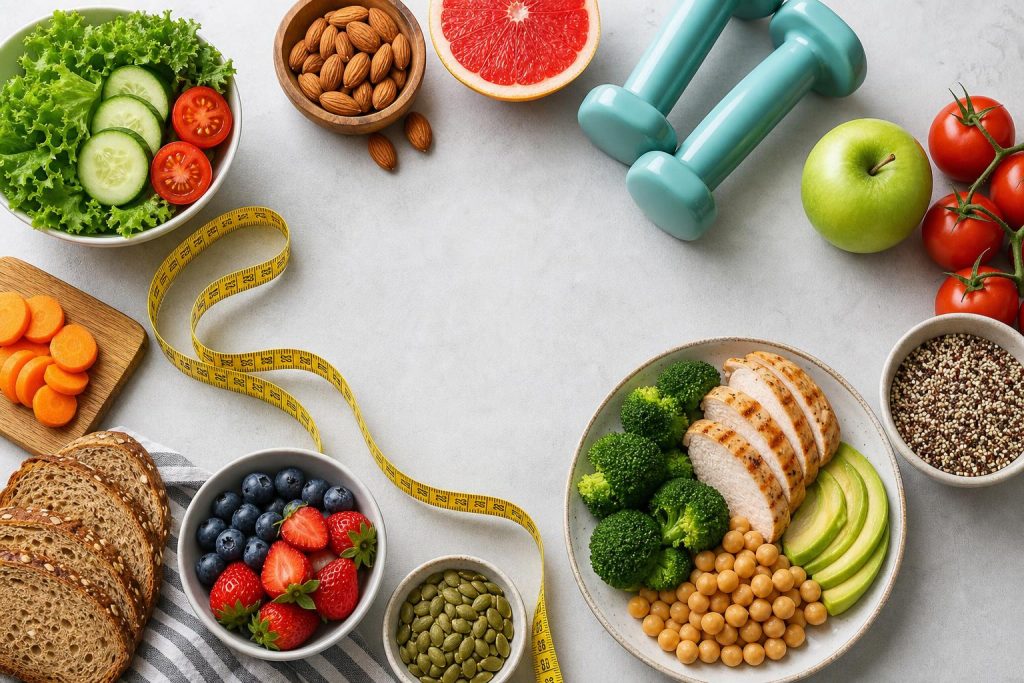
When the clinical trial data for semaglutide started rolling in, the numbers turned heads. Participants in the STEP trials lost an average of 14–17% of their body weight — results that hadn’t been seen with any previous obesity medication. But here’s what the headlines missed: those results came from participants who also made structured lifestyle changes. The drug was the catalyst. The habits were the engine. If you’re on Ozempic — or considering it — understanding the difference between those two things could determine whether you get average results or exceptional ones.
Ozempic (semaglutide) works by mimicking GLP-1, a naturally occurring incretin hormone that regulates appetite, insulin secretion, and blood sugar. Research published in Trends in Pharmacological Sciences highlights how GLP-1 receptor agonists act not just peripherally on the gut and pancreas, but centrally — within the brain itself — to suppress appetite and alter food-reward signaling. This is why Ozempic doesn’t just make you less hungry. It changes how food feels. Cravings quiet down. The urgency around eating softens. That neurological window is your opportunity. What you do inside it matters enormously.
Build Your Nutrition Around Protein First
The most common mistake men make on Ozempic is simply eating less of everything — and calling it a win. Reduced appetite is a gift, but it’s also a trap if you’re not intentional. When you cut calories dramatically without prioritizing protein, your body has no reason to preserve lean muscle mass. You end up lighter on the scale but softer, weaker, and metabolically worse off than when you started. This is sometimes called “skinny fat on a faster timeline.”
The research is consistent: adequate protein intake during a caloric deficit preserves muscle and supports fat oxidation. A practical target for most men is 0.7 to 1 gram of protein per pound of bodyweight daily — even on days when semaglutide has your appetite near zero. If you can only stomach 400 calories, make 150 of them come from protein. Prioritize eggs, Greek yogurt, cottage cheese, lean meats, and protein shakes. Think of every meal as a protein delivery vehicle first, with everything else built around it. The reduced appetite from GLP-1 receptor activation makes this harder to hit, which is exactly why it requires active strategy rather than passive eating.
Equally important: don’t fear dietary fat or carbohydrates wholesale. Complex carbohydrates — oats, sweet potatoes, legumes — support energy levels during exercise and help prevent the fatigue many men experience early in their Ozempic journey. Healthy fats from avocado, olive oil, and nuts slow gastric emptying and improve satiety, which pairs well with semaglutide’s own mechanisms. The goal is a diet that’s high in nutrients and protein, moderate in calories, and sustainable over months — not weeks.
Resistance Training Is Non-Negotiable
If there’s one lifestyle variable that separates men who transform their bodies on Ozempic from those who just get lighter, it’s resistance training. Lifting weights sends a direct physiological signal: preserve this muscle. Without that signal, caloric restriction — especially aggressive restriction — tips the body toward catabolism. Studies on caloric deficit without exercise consistently show significant lean mass losses alongside fat loss. Add structured strength training, and the body composition picture changes dramatically in favor of muscle retention and fat preferential loss.
You don’t need to train like a competitive bodybuilder. Three to four sessions per week covering the major movement patterns — squat, hinge, push, pull — is enough to send the preservation signal. Keep the weights challenging enough that the last two reps of each set require effort. Progressive overload — gradually increasing the weight or reps over time — ensures the stimulus stays meaningful as your body adapts. Many men on Ozempic report lower energy on some days, particularly in the early weeks of dose escalation. On those days, train anyway at reduced intensity rather than skipping. Consistency over intensity is the long game.
Cardio has a place too, but think of it as a metabolic support tool rather than the primary driver of fat loss. Thirty to forty-five minutes of zone 2 cardio — walking briskly, cycling at a conversational pace — three to four times per week improves insulin sensitivity, cardiovascular health, and fat oxidation without the muscle-wasting risk of chronic high-intensity cardio on a significant caloric deficit.
Sleep, Stress, and the Hormones Working Against You
Semaglutide manages appetite remarkably well under normal conditions. But chronic sleep deprivation and high cortisol can partially override those signals. Poor sleep drives ghrelin up and leptin down — meaning you feel hungrier and less satisfied even with GLP-1 receptor activation in play. Men averaging under six hours of sleep per night show measurably worse body composition outcomes in weight loss interventions compared to those sleeping seven to nine hours. If you’re serious about maximizing your results, sleep isn’t a lifestyle luxury — it’s a performance variable.
Stress management follows the same logic. Elevated cortisol promotes visceral fat storage and muscle breakdown, two outcomes directly at odds with your goals. This doesn’t mean eliminating all stress — that’s neither possible nor desirable. It means building recovery practices into your week: walking in nature, limiting late-night screen time, managing alcohol intake (which also interferes with GLP-1 signaling and sleep architecture), and finding deliberate downregulation in whatever form works for you.
Hydration is overlooked but clinically relevant. Adequate water intake supports kidney function during fat metabolism, helps manage the nausea some men experience on Ozempic, and contributes to satiety. Aim for at least three liters daily, more if you’re training hard or sweating significantly.
The Takeaway
Ozempic opens a door. It quiets the neurological noise around food, lowers the appetite floor, and creates conditions for real change that most men haven’t experienced before. But the door doesn’t walk through itself. The men who get the most out of semaglutide — the ones in the top quartile of clinical results — are the ones who treat the medication as a tool and show up with a serious nutrition strategy, a consistent training program, and the lifestyle fundamentals in place. The drug buys you an advantage. What you build with it is entirely up to you.
Scientific References
-
Boer, Hay, Tups et al. (2023).
Obesity pharmacotherapy: incretin action in the central nervous system..
Trends in pharmacological sciences.
View on PubMed →