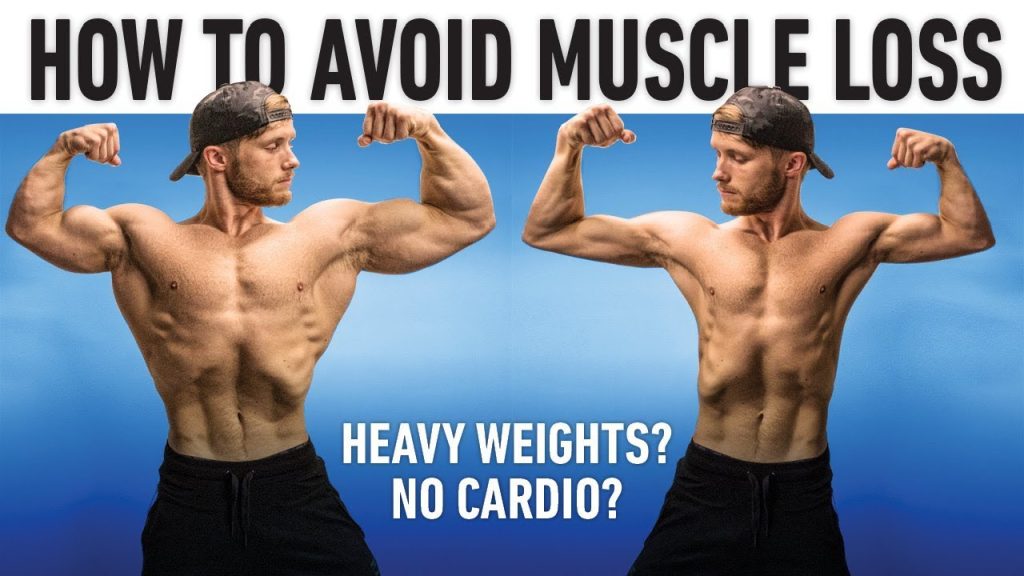
Video by Jeff Nippard on YouTube
Here is a number that should stop every man on a GLP-1 medication cold: clinical trial participants receiving semaglutide or tirzepatide lost 10% or more of their skeletal muscle mass over roughly 68 to 72 weeks of treatment. According to a 2025 review in Obesity Reviews, that level of muscle loss is roughly equivalent to two decades of age-related muscle atrophy — compressed into a single year. For a man who gets on a GLP-1 to look better, move better, and live longer, that is a deeply inconvenient fact. And yet it is also entirely addressable. The research is clear: the two variables that determine how much muscle you preserve during rapid weight loss are nutrition and resistance training. This article is your blueprint for making both work.
GLP-1 receptor agonists like semaglutide and tirzepatide have changed the landscape of obesity medicine. They are powerful tools — and for a growing number of men, they are delivering transformative results on the scale. But weight loss and fat loss are not the same thing. When caloric intake drops sharply, as it does on these medications, the body does not selectively burn fat. It draws on all available energy stores, including muscle protein. The question is not whether some lean mass will be lost — some degree of loss is physiologically expected during significant caloric restriction — but how much, and whether functional strength and metabolic health are compromised in the process. A 2025 review in Current Opinion in Clinical Nutrition and Metabolic Care frames this as sarcopenic obesity risk: a condition where excess fat and impaired muscle function coexist, driving elevated cardiometabolic risk and frailty. GLP-1 medications can reduce the obesity side of that equation rapidly. A structured strength training program prevents the sarcopenic side from filling the void.
There is also an emerging and genuinely surprising dimension to this story. A 2025 study published in Cell Metabolism found that semaglutide had unexpected effects on skeletal muscle mass and force-generating capacity in mice — effects that went beyond simple caloric restriction, suggesting the drug may interact with muscle biology in ways that are not yet fully understood. The researchers concluded there is a clear need to more carefully assess these effects in humans. This does not mean GLP-1 medications are dangerous for muscle — but it does mean that relying on the medication alone, without actively defending your lean mass through exercise and protein, is a gamble you cannot afford to take.
Why Resistance Training Is Non-Negotiable on GLP-1 Therapy
The physiology here is straightforward even if the solution requires real work. Skeletal muscle is metabolically expensive tissue. Under conditions of caloric deficit, your body receives no hormonal signal saying “protect the muscle at all costs.” That signal has to come from mechanical loading — from resistance training. When you subject a muscle to progressive tension through lifting, you trigger a cascade of anabolic signaling, including mTOR pathway activation and satellite cell recruitment, that tells the body this tissue is functionally necessary and worth maintaining. Without that signal, especially during the aggressive deficits that GLP-1 users often experience, muscle breakdown accelerates.
The 2025 Obesity Reviews paper by Mechanick, Butsch, Christensen and colleagues is explicit on this point: concurrent physical activity, especially resistance training, has been shown to effectively minimize loss of muscle mass and function during weight reduction therapy. The word “especially” is doing a lot of work in that sentence. Walking is good. Cardio has cardiovascular benefits. But neither sends the hypertrophic signaling that resistance training does, and neither provides an adequate mechanical stimulus to override the catabolic pressure of a substantial caloric deficit. For men on GLP-1 medications, resistance training is not a complement to the program — it is a core clinical component.
A 2025 precision obesity medicine framework published in the Journal of Endocrinological Investigation reinforces this, noting that resistance training alongside adequate protein intake is specifically recommended for older and sarcopenic individuals using GLP-1 receptor agonists — a population at the highest risk for functional decline during rapid weight loss. But the principle applies across the board. Whether you are 35 or 65, whether you are on semaglutide, tirzepatide, or simply pursuing fat loss through diet and exercise, resistance training is what separates a successful body recomposition from a smaller, weaker version of your former self.
Practically, this means lifting at a meaningful intensity at least three days per week, with two to four being the evidence-supported sweet spot for muscle maintenance and hypertrophy. The program should prioritize compound, multi-joint movements — squats, deadlifts, Romanian deadlifts, bench press, rows, overhead press, and pull-ups or lat pulldowns — because these recruit the greatest total muscle mass and produce the most robust hormonal and mechanical response. Isolation work for arms, calves, or shoulders can be added, but should not replace the foundational lifts. Sets should be kept in the six to twelve repetition range for most work, which research consistently identifies as the hypertrophic sweet spot, with the final reps of each set approaching muscular failure. Progressive overload — gradually increasing the weight, reps, or density of training over time — is the non-negotiable driver of long-term adaptation.
The Protein Equation: How Much, What Kind, and When
Training provides the stimulus. Protein provides the raw material. These two pillars are inseparable, and on a GLP-1 medication — where appetite suppression can make eating feel like a chore — getting enough protein requires intentional strategy rather than passive adherence.
The Obesity Reviews paper specifically calls for adequate intake and absorption of high-quality protein and micronutrients, noting that this may require oral nutritional supplements given the reduced appetite typical of IMD therapy. This is not a minor footnote. GLP-1 users frequently report eating significantly less than they did before starting the medication, which makes protein prioritization a real challenge. A man eating 1,400 calories a day needs to be extremely deliberate about what those calories contain if he wants to hit a meaningful protein target.
The current research consensus for individuals in a caloric deficit who are resistance training points toward protein intakes in the range of 1.6 to 2.4 grams per kilogram of body weight per day — with the higher end of that range being more appropriate for men experiencing rapid weight loss, older individuals, or those with lower overall caloric intake. For a 220-pound man, that translates to roughly 160 to 240 grams of protein daily. On a significantly reduced appetite, hitting those numbers from whole food alone is difficult. Lean meats, eggs, Greek yogurt, cottage cheese, and fish should form the foundation, but a high-quality whey or casein protein supplement can serve as a practical bridge when appetite is blunted and meal frequency drops.
Protein distribution matters as much as total intake. Muscle protein synthesis is maximized when protein is spread across multiple meals rather than concentrated in one or two sittings. Aiming for three to four protein-anchored meals per day, each containing 35 to 50 grams of protein from high-quality sources, provides a sustained anabolic signal throughout the day. This is particularly important on GLP-1 therapy, where the temptation to skip meals due to nausea or suppressed appetite can inadvertently create extended fasting windows that accelerate muscle catabolism. Eating on a schedule, even small meals, is more protective of lean mass than intuitive eating guided by reduced GLP-1 hunger cues alone.
The Current Opinion in Clinical Nutrition and Metabolic Care review also highlights digital health interventions and telemedicine-based exercise programs as promising tools for maintaining muscle health during weight loss — a nod to the reality that access to in-person coaching or gym facilities is not universal. If structured gym training is not immediately accessible, resistance training with bands, bodyweight progressions, or home equipment can still provide meaningful mechanical stimulus. The key is progressive overload and consistency, not the presence of a barbell, though free weights and machines will produce superior results for most men over time.
Micronutrients deserve mention here too. Vitamin D, magnesium, zinc, and creatine monohydrate each have meaningful roles in muscle function and recovery. Creatine in particular — at the standard dose of three to five grams per day — has a robust evidence base for supporting strength, power output, and lean mass retention during caloric restriction, and is one of the most studied, cost-effective supplements available. Men on GLP-1 medications who are eating less across the board may also want to consider a comprehensive multivitamin or targeted micronutrient supplementation, given the potential for nutrient gaps that emerge with chronically reduced food intake.
It is also worth noting the broader public health context here. The Global Burden of Disease Study 2023, published in The Lancet, identified high BMI as one of only three leading metabolic risk factors for which age-standardized disease burden rates actually increased between 2010 and 2023. The report called for expanded access to GLP-1 receptor agonists alongside policies promoting physical activity and healthier diets. The research community is not positioning these medications as a replacement for lifestyle intervention — it is consistently framing them as one component of a comprehensive approach that must include exercise and nutrition.
The Takeaway
A GLP-1 strength training program is not optional for men who want to emerge from weight loss therapy looking and performing better — it is the mechanism by which the medication’s fat-loss benefits are separated from its muscle-loss risks. The drugs suppress appetite effectively. They drive significant weight loss. What they do not do is tell your body to preferentially burn fat over muscle. That is your job, and resistance training combined with aggressive protein intake is how you do it.
Three to four lifting sessions per week built around compound movements, protein intake in the 1.6 to 2.4 grams per kilogram range distributed across multiple meals, and consistent progressive overload over time — this is the program. It is not complicated, but it demands consistency that blunted hunger cues and medication side effects can make genuinely difficult. Track your lifts. Eat your protein first. Do not mistake feeling less hungry for needing less to perform and recover. The scale moving down is only a win if the weight you are losing is fat.
Scientific References
-
Mechanick, Butsch, Christensen et al. (2025).
Strategies for minimizing muscle loss during use of incretin-mimetic drugs for treatment of obesity..
Obesity reviews : an official journal of the International Association for the Study of Obesity.
View on PubMed → -
Caturano, Amaro, Berra et al. (2025).
Sarcopenic obesity and weight loss-induced muscle mass loss..
Current opinion in clinical nutrition and metabolic care.
View on PubMed → -
Tuccinardi, Masi, Watanabe et al. (2025).
Precision obesity medicine: A phenotype-guided framework for pharmacologic therapy across the lifespan..
Journal of endocrinological investigation.
View on PubMed → -
Unknown Authors (2025).
Burden of 375 diseases and injuries, risk-attributable burden of 88 risk factors, and healthy life expectancy in 204 countries and territories, including 660 subnational locations, 1990-2023: a systematic analysis for the Global Burden of Disease Study 2023..
Lancet (London, England).
View on PubMed → -
Karasawa, Choi, Meza et al. (2025).
Unexpected effects of semaglutide on skeletal muscle mass and force-generating capacity in mice..
Cell metabolism.
View on PubMed →