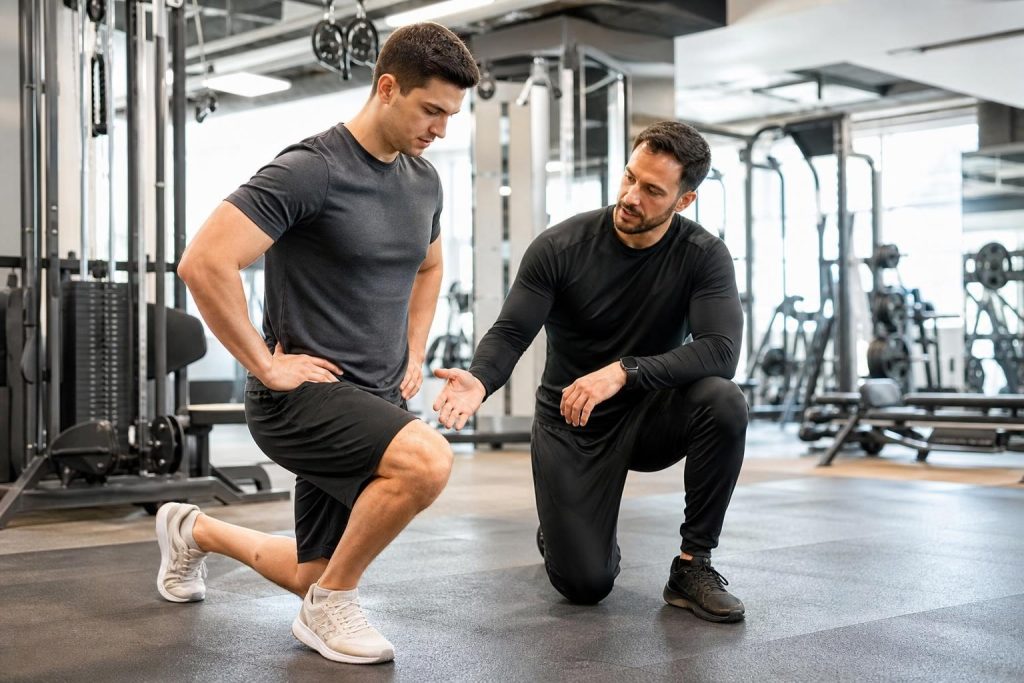
Semaglutide produces some of the most dramatic weight loss numbers ever recorded in a pharmaceutical trial. But here’s what the headlines rarely mention: a significant portion of that weight comes from lean mass — muscle — not just fat. That distinction matters enormously, both for how you look and for your long-term metabolic health. And it’s precisely why exercise isn’t just a nice addition to semaglutide therapy. It may be the variable that determines whether your results are genuinely transformative or quietly counterproductive.
The short answer to whether exercise increases weight loss on semaglutide is yes — but the more important question is what kind of weight you’re losing and what kind you’re preserving. Research published in Molecular Metabolism (2024) confirmed that while semaglutide potently decreased body weight in obese mice, that reduction included a significant loss of both muscle and fat mass. When researchers combined semaglutide with an intervention designed to preserve lean tissue, the result was superior fat loss alongside maintained muscle — a meaningfully better body composition outcome. The takeaway isn’t that semaglutide is flawed. It’s that caloric restriction, by any mechanism, costs you muscle unless you actively fight back.
Why Muscle Loss Is the Hidden Risk of GLP-1 Weight Loss
Every meaningful calorie deficit — whether from eating less, moving more, or pharmacological appetite suppression — triggers the same biological trade-off. Your body, facing an energy shortage, will cannibalize lean tissue alongside stored fat. Semaglutide is extraordinarily effective at creating that deficit through appetite suppression and slowed gastric emptying, which is exactly why GLP-1 receptor agonists have demonstrated impressive reductions in body weight and improvements in metabolic parameters across large clinical populations. But the same mechanism that makes the drug powerful also makes muscle preservation an active responsibility — not a passive benefit.
This matters more than most men realize. Muscle tissue is metabolically expensive, meaning it burns calories at rest. The more of it you carry, the higher your baseline energy expenditure. Lose muscle during your weight loss phase and you’re quietly lowering your metabolic rate, making maintenance harder and the risk of regain higher. You’re also reducing your functional capacity, your strength, and your resilience against age-related decline. For men specifically, lean mass preservation is central to everything — performance, hormonal health, physical confidence, and long-term metabolic function.
Resistance training is the most evidence-supported tool for countering this. When you apply mechanical load to muscle — through barbell training, machines, bodyweight work, or any form of progressive overload — you send a clear anabolic signal that directly opposes the muscle-wasting pressure of caloric restriction. On semaglutide, this signal becomes even more critical. The drug suppresses appetite efficiently, but it cannot distinguish between the fat you want to lose and the muscle you want to keep. Only training does that.
What Exercise Actually Adds to Semaglutide Outcomes
Beyond muscle preservation, exercise contributes to weight loss through independent and complementary pathways. Cardiovascular training increases total energy expenditure, deepening the caloric deficit that semaglutide has already initiated. Resistance training improves insulin sensitivity and glucose uptake in muscle tissue, which directly supports the metabolic mechanisms that GLP-1 medications are designed to enhance. Obesity-related hypertension, insulin resistance, and cardiovascular risk are all conditions that respond to both pharmacological intervention and structured exercise — making the combination more powerful than either approach alone.
There’s also the question of joint health and physical function. Recent osteoarthritis research highlights that body composition — specifically high fat mass combined with low lean mass — is a critical driver of OA severity and physical function decline. Semaglutide has shown meaningful weight and pain reductions in individuals with knee OA, but the research also underscores that building and maintaining lean mass is central to protecting joints over time. Losing weight by losing muscle may reduce the number on the scale while simultaneously worsening the muscular support that protects cartilage. Exercise closes that gap.
For men currently on semaglutide, the practical protocol is straightforward even if the commitment isn’t always easy. Prioritize resistance training two to four times per week, focusing on compound movements — squats, deadlifts, rows, presses — that recruit the most muscle and generate the strongest anabolic stimulus. Protein intake deserves equal attention: targeting 0.7 to 1.0 grams per pound of bodyweight daily becomes especially important when appetite suppression is working against your ability to eat enough. Semaglutide users commonly report significantly reduced hunger, which can inadvertently lead to inadequate protein consumption — a direct driver of lean mass loss.
Add moderate cardiovascular work on top of resistance training rather than instead of it. Walking, cycling, swimming, or zone 2 cardio two to three times per week improves cardiovascular fitness, supports fat oxidation, and enhances the metabolic benefits semaglutide is already producing. The combination of reduced caloric intake, improved insulin sensitivity from the drug, and increased energy expenditure from training creates the most favorable conditions for fat-dominant weight loss rather than the mixed fat-and-muscle loss that caloric restriction alone tends to produce.
The Takeaway
Semaglutide works. The data is clear and the weight loss outcomes are clinically significant. But the research is equally clear that the composition of that weight loss — how much is fat versus muscle — is not predetermined. Exercise, particularly resistance training, is the lever men have direct control over. It preserves lean mass during the deficit, improves metabolic outcomes independently, protects joint function, and builds the kind of body that maintains results after the medication phase ends. Whether you’re on semaglutide or pursuing weight loss through diet and training alone, the fundamentals don’t change: lift heavy, eat enough protein, move consistently, and let the science work in your favor.
Scientific References
-
Nunn, Jaiswal, Gavin et al. (2024).
Antibody blockade of activin type II receptors preserves skeletal muscle mass and enhances fat loss during GLP-1 receptor agonism..
Molecular metabolism.
View on PubMed → -
Dell’Isola, Recenti, Giardulli et al. (2025).
Osteoarthritis year in review 2025: Epidemiology and therapy..
Osteoarthritis and cartilage.
View on PubMed → -
Gallo, Desideri, Savoia et al. (2024).
Update on Obesity and Cardiovascular Risk: From Pathophysiology to Clinical Management..
Nutrients.
View on PubMed → -
Franco, Guo, Varela et al. (2025).
Tirzepatide for adults living with obesity..
The Cochrane database of systematic reviews.
View on PubMed → -
El Meouchy, Wahoud, Allam et al. (2022).
Hypertension Related to Obesity: Pathogenesis, Characteristics and Factors for Control..
International journal of molecular sciences.
View on PubMed →