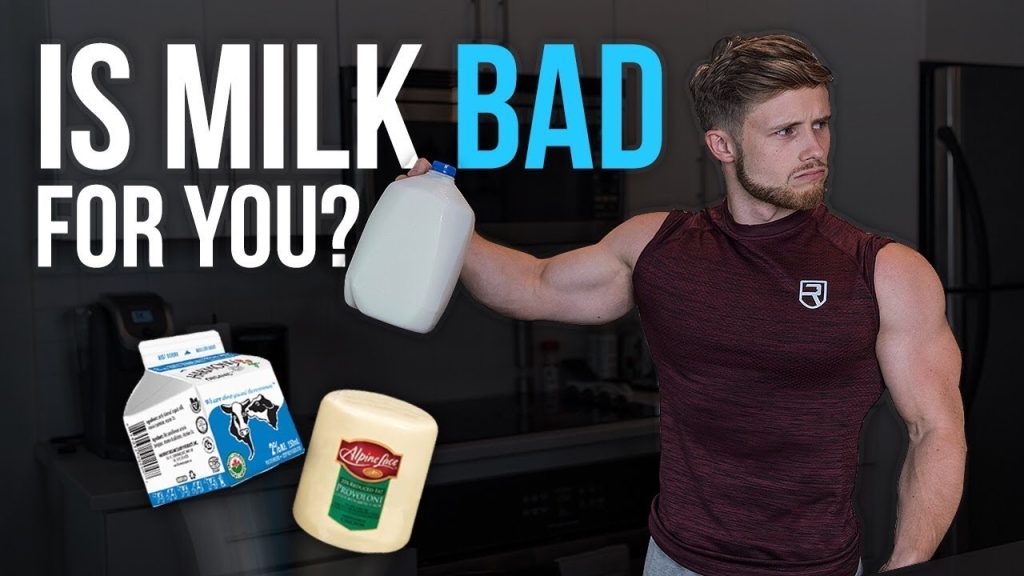
Video by Jeff Nippard on YouTube
Here’s a number that should change how you think about weight loss: in clinical trials of semaglutide, participants lost an average of 15% of their total body weight — but research published in Diabetes, Obesity and Metabolism found that roughly 40% of that loss came from lean mass. That’s muscle. Functional, metabolically active tissue that determines how strong you are, how many calories you burn at rest, and how well your body handles glucose. Whether you’re on a GLP-1 medication, running a caloric deficit through diet alone, or just trying to optimize body composition at the gym, this single statistic makes one thing non-negotiable: you need to be lifting weights, and you need to be doing it with a plan.
The intersection of fat loss and muscle preservation is where most men get it wrong. They chase the scale. They cut calories aggressively, add cardio, and assume the gym is optional. But a landmark meta-analysis in Obesity Reviews confirmed that resistance training during a caloric deficit significantly attenuates lean mass loss compared to diet or aerobic exercise alone. The mechanism isn’t complicated — progressive mechanical load signals your muscles to adapt and survive, even when your body is in an energy-scarce state. What is complicated is knowing exactly how to structure that training for maximum results, especially when your appetite, recovery, and energy levels may be shifting due to a reduced-calorie diet or a medication like a GLP-1 agonist.
This is the program framework you need. It’s built on evidence, designed for real men with real schedules, and it works whether you’re using semaglutide, tirzepatide, counting macros, or simply committing to a cleaner lifestyle.
The Science Behind the Program Structure
Effective strength training during fat loss isn’t about lifting as heavy as possible or grinding through exhaustion. It’s about applying the minimum effective dose of mechanical stress needed to preserve and build muscle while allowing your body to recover on a reduced energy intake. Research in the Journal of Strength and Conditioning Research supports a frequency of two to four resistance training sessions per week as optimal for hypertrophy and strength preservation in caloric deficit conditions. More than that, without sufficient protein and recovery, starts yielding diminishing returns — or worse, accelerates muscle breakdown.
The program follows a three-day-per-week full-body model built around compound movements. This frequency hits each muscle group twice or more across the week without requiring daily gym sessions. The foundation is five core movement patterns: a squat variation, a hip hinge, a horizontal push, a horizontal or vertical pull, and a loaded carry or core stability exercise. These are not arbitrary choices. Compound, multi-joint movements recruit the greatest amount of muscle mass per exercise, stimulate more anabolic signaling, and burn more calories both during and after the session compared to isolation work.
Volume is kept moderate — three to four sets of six to ten repetitions per exercise — with a focus on progressive overload. Every week, you’re either adding a small amount of weight, adding a rep, or improving control. Progressive overload is the single most important variable for long-term muscle retention, as confirmed in a comprehensive review in the Journal of Sports Sciences. Chasing progressive improvement, even modestly, is what separates a training program from just going through the motions.
For men using GLP-1 medications specifically, one practical adjustment matters: session intensity should account for potentially lower caloric intake. If you’re eating significantly less than usual — a common experience on semaglutide or tirzepatide — your glycogen stores may be reduced, which can affect power output on heavy compound lifts. This doesn’t mean backing off. It means managing the rate of perceived exertion honestly, prioritizing sleep and recovery, and not stacking high-intensity cardio on top of four heavy lifting sessions. For everyone else, the same logic applies during any aggressive cut: recovery is training, and you have to treat it that way.
Protein, Timing, and the Nutritional Non-Negotiables
No training program outworks inadequate protein intake. This isn’t a motivational slogan — it’s biochemistry. A systematic review and meta-analysis in the British Journal of Sports Medicine found that protein intakes beyond 1.62 grams per kilogram of body weight per day did not further augment muscle gains, but getting to that threshold is where most men on a deficit fall short. The practical target for men in a fat-loss phase with active training is 1.6 to 2.2 grams of protein per kilogram of body weight daily. For a 200-pound (91 kg) man, that’s roughly 145 to 200 grams of protein per day.
For GLP-1 users, this is where the medication creates a genuine challenge. Appetite suppression is the mechanism that drives weight loss — but it also makes hitting protein targets harder when you simply don’t feel hungry. The strategy is to front-load protein into smaller, more frequent meals rather than relying on large servings. Prioritize protein sources first at every meal before carbohydrates or fats. Lean meats, eggs, Greek yogurt, cottage cheese, and a quality whey or casein protein supplement all serve this purpose. Research in Nutrients shows that distributing protein evenly across meals maximizes muscle protein synthesis compared to back-loading it at dinner — a common pattern in men who skip breakfast or eat light during the day.
Creatine monohydrate deserves mention here because the evidence for it is unusually clean. A well-cited meta-analysis in the Journal of Strength and Conditioning Research demonstrated that creatine supplementation significantly increases lean mass and strength gains when combined with resistance training. At three to five grams per day, it’s inexpensive, safe, and especially relevant for men working through a caloric deficit who need every metabolic advantage available. It doesn’t require loading, doesn’t need to be cycled, and works regardless of whether you’re on a medication or not.
What This Means For You
The goal was never just to lose weight. It was to build a body that functions better, looks better, and ages well. That requires muscle — and muscle requires deliberate, consistent resistance training with enough protein to support it. Whether you’re one month into a GLP-1 prescription, six months into a disciplined caloric deficit, or simply a man who’s decided this is the year he gets serious about his health, the program logic doesn’t change. Lift three times a week. Prioritize compound movements. Add weight over time. Hit your protein. Sleep like it matters, because it does.
The PDF you’re looking for isn’t a magic document — the principles that make a strength program effective during fat loss are straightforward and well-established. Execution is what separates results from intentions. Apply the framework above with consistency, and the numbers on both the scale and the barbell will move in the right direction.