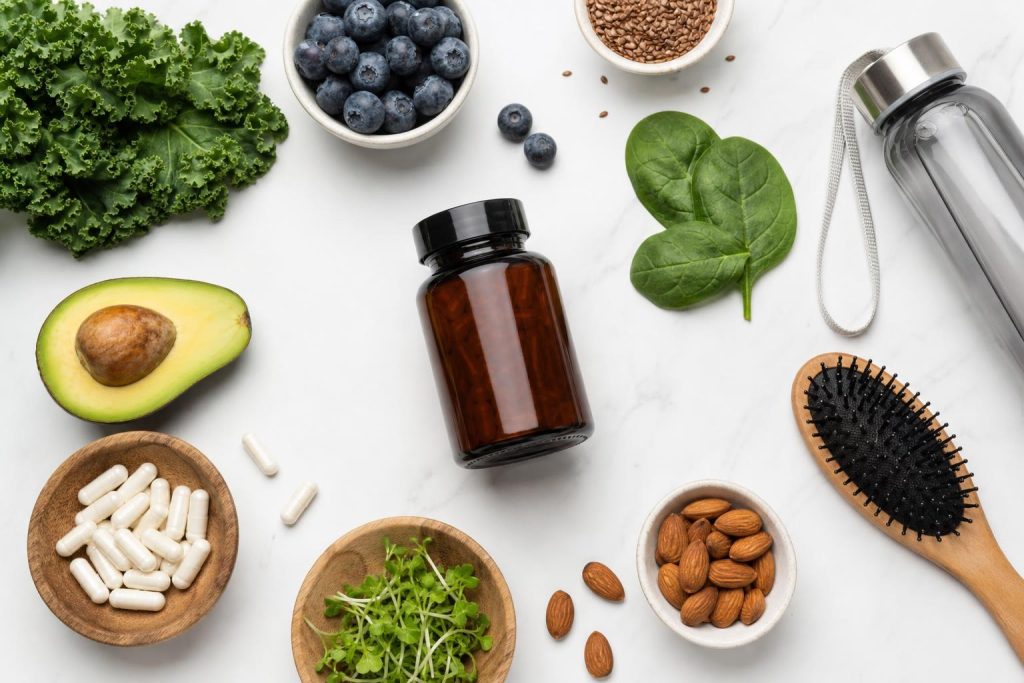
Hair loss during rapid weight loss isn’t a new phenomenon — but the surge in GLP-1 medication use has brought it back into sharp focus. A 2023 analysis of FDA adverse event reports found that semaglutide users reported hair loss at a notable rate, prompting real concern among men who are already dealing with the psychological weight of body transformation. But here’s what most people miss: the drug itself probably isn’t pulling your hair out. The caloric deficit is.
This is a condition called telogen effluvium — a stress-induced shift in the hair growth cycle where follicles prematurely enter the resting (telogen) phase and shed en masse. Research confirms that significant caloric restriction and rapid weight loss are well-established triggers, whether you’re on Ozempic, doing aggressive intermittent fasting, or just cutting hard for a physique competition. The mechanism is the same: your body deprioritizes non-essential tissue maintenance — including hair — when energy and nutrients run low.
So if you’re losing hair while on a GLP-1, on keto, or simply deep in a caloric deficit, the solution isn’t to stop losing weight. It’s to ensure your body has the raw materials it needs to keep follicles alive while the fat comes off. That starts with targeted nutrition — and in some cases, strategic supplementation.
Why Nutrient Deficiencies Hit Harder During Weight Loss
When appetite drops — whether from semaglutide, willpower, or a structured diet protocol — the first casualty is often micronutrient intake. Protein consumption tends to fall, and with it comes reduced availability of the amino acids that form the structural backbone of hair. Keratin, the protein that makes up roughly 95% of each hair strand, requires adequate dietary protein to synthesize. Studies link low protein intake directly to increased hair shedding, making it the single most important dietary variable to protect.
Beyond protein, several micronutrients have been closely tied to hair follicle health in the literature. Biotin (vitamin B7) is perhaps the most marketed, though the evidence is more nuanced than the supplement industry lets on — true biotin deficiency does cause hair loss, but supplementation only helps if you’re actually deficient. More compelling data exists around zinc, iron, and vitamin D. Zinc deficiency is consistently associated with hair loss, and zinc intake tends to drop during caloric restriction. Iron deficiency — even without full anemia — has been shown to impair the hair cycle and accelerate shedding. And vitamin D receptors are present in hair follicles themselves, with low vitamin D levels linked to alopecia areata and telogen effluvium in multiple studies.
What this means practically: before reaching for any supplement, get your bloodwork done. A basic panel checking ferritin, zinc, vitamin D, and a complete metabolic profile will tell you far more than any marketing label. Supplementing nutrients you don’t actually lack won’t move the needle — but correcting a genuine deficiency often produces noticeable improvement within three to six months.
The Supplements Worth Taking — and How to Use Them
If bloodwork points to deficiencies or you’re in a sustained caloric deficit with limited dietary variety, a few supplements have legitimate evidence behind them. A high-quality multivitamin formulated for men is a reasonable baseline — not because multivitamins are magic, but because they efficiently plug multiple gaps simultaneously during restriction. Look for one containing at minimum 100% RDA of zinc, B-complex vitamins, and vitamin D3 alongside K2 for absorption efficiency.
For hair specifically, collagen peptides deserve more attention than they typically get. A randomized controlled trial found that collagen supplementation significantly improved hair thickness and reduced shedding in participants with thinning hair. Collagen provides glycine, proline, and hydroxyproline — amino acids used in the connective tissue surrounding hair follicles. Ten grams daily mixed into coffee or a protein shake is a low-effort, evidence-supported addition.
Saw palmetto is worth mentioning for men experiencing androgenic hair loss alongside stress-related shedding. Research suggests saw palmetto can inhibit 5-alpha reductase activity, the enzyme responsible for converting testosterone to DHT — the androgen most implicated in male pattern baldness. It won’t reverse telogen effluvium, but if you’re genetically predisposed to androgenic alopecia, addressing both mechanisms simultaneously makes sense. A standardized extract of 320mg daily is the most studied dose.
Creatine monohydrate — a supplement most men associate with gym performance — also warrants a mention here. One study noted increased DHT levels with creatine loading, which has raised questions about hair loss risk in susceptible men. This doesn’t mean creatine causes hair loss in most men, but it’s worth knowing if you’re already concerned about androgenic thinning.
Above all, protein intake is non-negotiable. Aim for a minimum of 1.2 grams per kilogram of body weight daily — and closer to 1.6g/kg if you’re training. This is the lever with the highest return on investment for both hair retention and the muscle preservation that makes any weight loss worth pursuing in the first place.
The Takeaway
Hair loss during a weight loss phase — with or without Ozempic — is almost always a nutritional and metabolic story, not a medical mystery. Protect your protein intake, identify and correct genuine micronutrient deficiencies, and consider evidence-backed additions like collagen peptides and vitamin D3. The follicles aren’t gone — they’re dormant. Give your body the resources it needs, and most men see meaningful recovery within six months of stabilizing their nutrition.