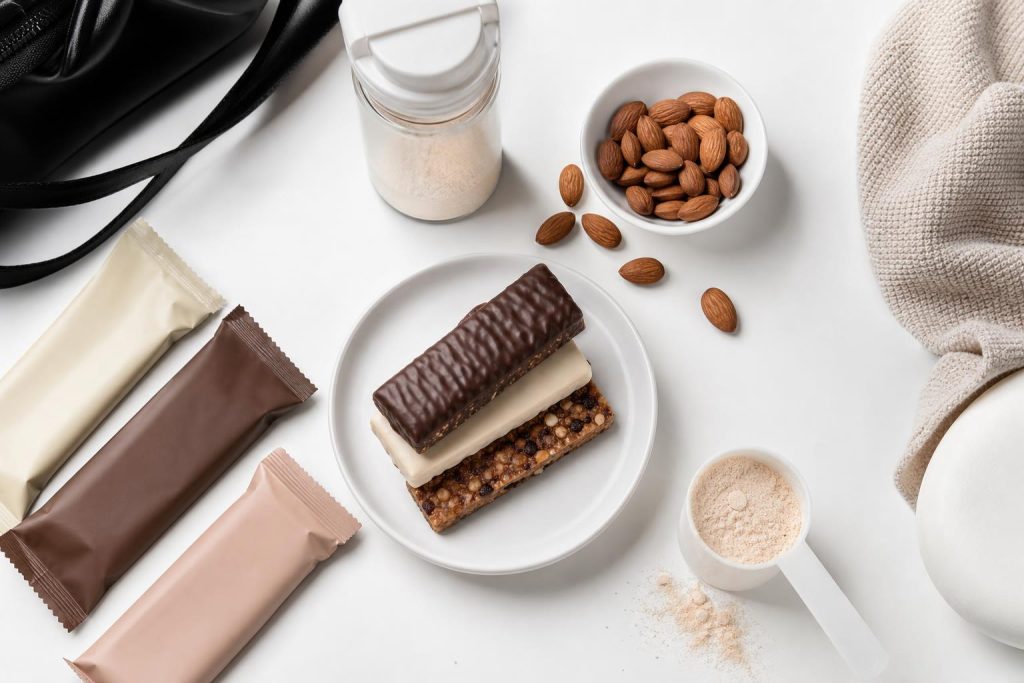
Here’s a number worth knowing: somewhere between 25 and 30 grams of protein per meal is the threshold most research identifies as necessary to maximally stimulate muscle protein synthesis. Studies published in the American Journal of Clinical Nutrition confirm that hitting this range consistently — across multiple meals — is one of the most reliable strategies for preserving lean mass during a caloric deficit. The problem is that eating enough protein becomes genuinely difficult when your appetite is suppressed, whether from a GLP-1 medication like semaglutide, a hard cutting phase, or simply a demanding schedule that leaves little room for full meals.
That’s exactly where a well-chosen protein bar earns its place in your nutrition stack. Not as a crutch, not as a meal replacement philosophy — but as a targeted tool for hitting your numbers when volume eating isn’t feasible. The key is knowing which bars are actually worth the calories and which are little more than glorified candy dressed up in fitness marketing.
What to Look for When Volume Is the Enemy
The fundamental tension with protein bars is density versus delivery. Most commercial bars pack their macros into a package that’s either too calorie-heavy, too sugar-laden, or too low in actual protein to justify the space it takes up in your stomach. For men trying to preserve or build muscle during fat loss — regardless of how they’re achieving that deficit — the math needs to work in your favor.
A functional bar in this context should hit at least 20 grams of protein, stay under 250 calories, and keep net carbs reasonable if you’re managing blood sugar or insulin sensitivity. Research on dietary protein quality also supports prioritizing bars built on whey or casein — complete proteins with high leucine content — over plant-based blends, which often require higher total intake to trigger the same anabolic response. Leucine is the key amino acid that acts as the primary trigger for muscle protein synthesis, and most plant proteins deliver it at lower concentrations per gram.
Sugar alcohols and fiber content matter too, especially for GLP-1 users whose gut motility is already altered. Bars loaded with maltitol or excessive chicory root fiber can cause significant GI discomfort in anyone with a sensitive digestive system — and that sensitivity is often amplified on medications like tirzepatide or semaglutide.
The Bars That Consistently Deliver
Quest Bars remain a benchmark for a reason. Their primary protein source is a whey-casein blend, they deliver 20–21 grams of protein in roughly 190–200 calories, and their fiber comes primarily from soluble corn fiber, which tends to be better tolerated than inulin-heavy competitors. For men who are tracking closely, the macros are predictable and the ingredient list is honest.
RXBAR takes a different approach — no artificial sweeteners, no sugar alcohols, just egg whites, dates, nuts, and a short ingredient list that actually reads like food. Each bar delivers around 12 grams of protein, which is lower than ideal as a standalone hit, but the ingredient quality is hard to argue with and the bars are genuinely well tolerated. Pair one with a protein shake and you’re in a better position.
Barebells have quietly become one of the strongest options on the market for high-protein, low-sugar needs. At 20 grams of protein and around 200 calories with minimal sugar, they also happen to taste significantly better than most competitors — which matters when appetite suppression makes food feel unappealing. Palatability directly influences dietary adherence, and a bar you actually want to eat is more valuable than a nutritionally perfect one you avoid.
Griefless and Built Bars are worth mentioning for men with GI sensitivity — both use whey protein isolate as the primary source and keep fiber additions minimal, making them easier on the gut during periods of reduced appetite or digestive adjustment.
The Takeaway
Protein bars won’t build your physique — consistent training, adequate sleep, and a diet anchored in whole foods will. But when your appetite is working against your protein targets, a well-chosen bar is one of the most practical interventions available. Prioritize whey or casein bases, aim for 20 grams of protein per 200 calories or better, and pay attention to how your gut responds. The best bar is ultimately the one that fits your numbers, sits well in your stomach, and helps you stay consistent — day after day, meal after meal.