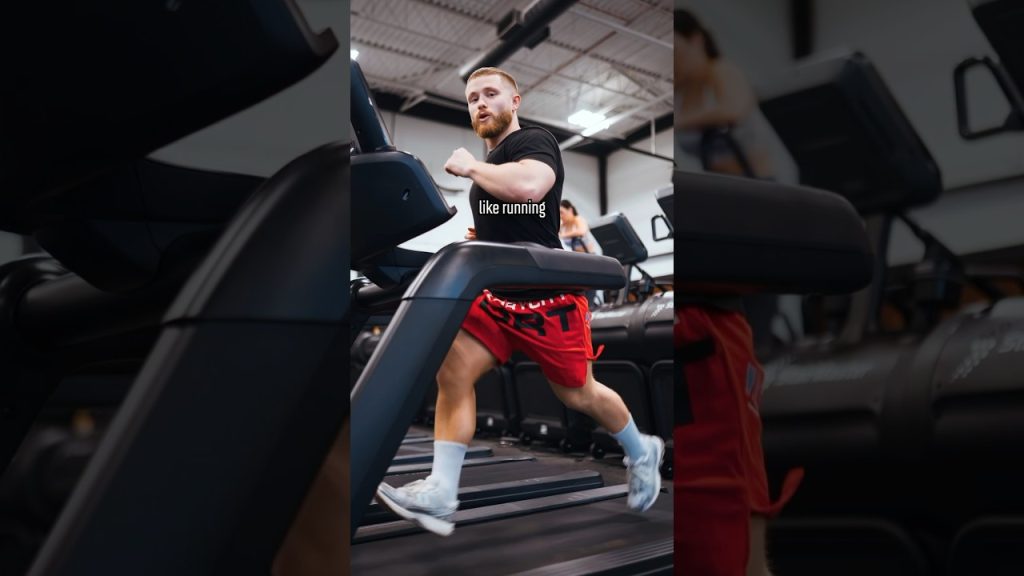
Video by Jeff Nippard on YouTube
Here’s something most men on GLP-1 medications don’t hear until it’s too late: losing weight fast without lifting weights means losing muscle right along with the fat. A landmark study published in The New England Journal of Medicine found that participants using semaglutide lost an average of 15% of their body weight — but a significant portion of that loss came from lean mass, not just fat. If you’re not actively working against that process in the gym, you’re not just getting lighter — you’re getting weaker, slower, and metabolically worse off than you think.
The good news is that resistance training directly counters this effect. And you don’t need to be an experienced lifter to make it work. A structured, beginner-friendly strength program built around the realities of GLP-1 use — reduced appetite, lower caloric intake, potential fatigue — can help you preserve and even build lean muscle while the medication does its job on body fat. This is the program.
Why Strength Training Is Non-Negotiable on GLP-1s
GLP-1 receptor agonists like semaglutide and tirzepatide suppress appetite so effectively that many men drop into a significant caloric deficit without trying. That’s powerful for fat loss, but the body under a severe caloric deficit will cannibalize muscle tissue for fuel — a process called catabolism. Research consistently shows that resistance training during a caloric deficit is the most effective strategy for preserving lean mass, outperforming cardio, protein intake alone, or any supplement on the market.
Beyond muscle preservation, lifting weights improves insulin sensitivity, which compounds the metabolic benefits of GLP-1 medications. A study in Diabetes Care demonstrated that progressive resistance training significantly improved glycemic control in men with type 2 diabetes — the same population GLP-1 drugs were originally designed for. You’re essentially stacking two powerful metabolic interventions when you combine medication with structured lifting.
Protein intake is the third leg of this stool. Because GLP-1s suppress hunger, many men aren’t hitting adequate protein to support muscle synthesis. Evidence supports a target of 1.6 to 2.2 grams of protein per kilogram of bodyweight per day for men engaged in resistance training. If you’re not tracking this, you’re likely falling short. Prioritize protein at every meal, even — especially — when you’re not hungry.
The Beginner Program: Structure, Sets, and Strategy
For men just starting out on GLP-1s, the goal in the first eight to twelve weeks is simple: build the habit, learn the movements, and give your muscles a reason to stick around. Three full-body sessions per week on non-consecutive days — Monday, Wednesday, Friday, for example — is the optimal frequency for beginners. Research on training frequency confirms that training each muscle group two to three times per week produces superior hypertrophy outcomes compared to once-weekly splits.
Each session should anchor around compound movements: the squat, deadlift, bench press, row, and overhead press. These exercises recruit the most muscle mass per movement, meaning you get more metabolic and anabolic stimulus per minute of training. Start with three sets of eight to twelve reps per exercise, using a weight that feels challenging by the final two reps but doesn’t break your form. Rest ninety seconds to two minutes between sets. The entire session should take forty-five to sixty minutes — manageable even on days when GLP-1 side effects like nausea or low energy are present.
Progress by adding five pounds to lower body lifts and two to five pounds to upper body lifts each week you complete all sets cleanly. This is called linear progression, and it’s the most evidence-supported method for beginner strength gains. Don’t rush toward advanced programming — novice lifters can make consistent strength adaptations for months on basic progressive overload alone, and complexity at this stage creates confusion more than results.
On off days, low-intensity walking is ideal. It supports recovery, burns additional calories without taxing recovery capacity, and — relevant for GLP-1 users — has been shown to help manage gastrointestinal discomfort that sometimes accompanies these medications.
The Takeaway
GLP-1 medications are a powerful metabolic tool, but they work best when paired with a smart training strategy. Without resistance training, the weight you lose will include a costly amount of muscle — muscle that governs your metabolism, your strength, and your long-term health. Three days a week in the gym, anchored by compound lifts and backed by adequate protein, is enough to change that equation entirely. Start simple, stay consistent, and let the combination of medication and movement do what neither can fully accomplish alone.