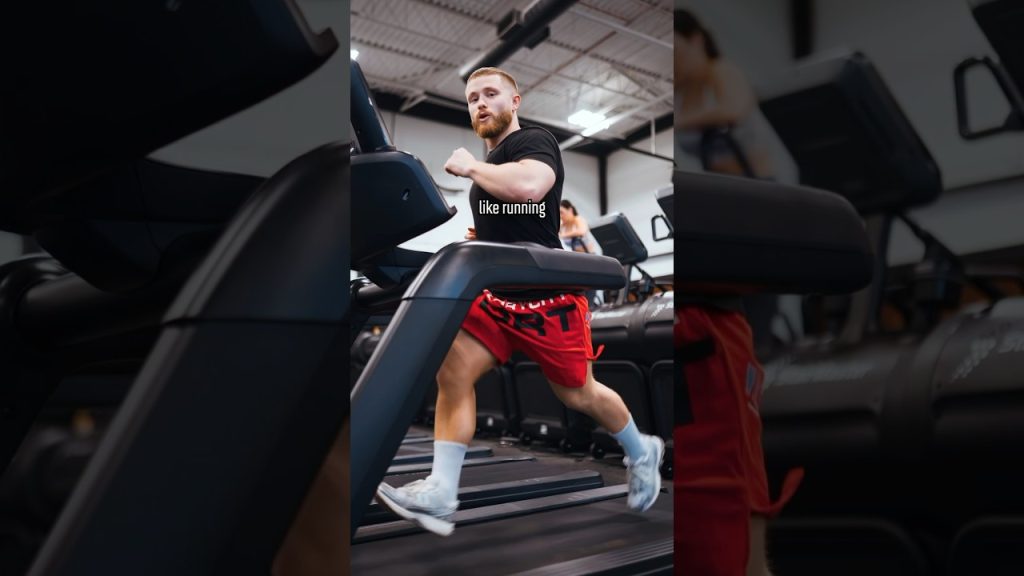
Video by Jeff Nippard on YouTube
Here’s a number that should get your attention: in clinical trials of semaglutide, participants lost an average of 15% of their body weight — but roughly one-third of that loss came from lean mass, not fat. That means for every 30 pounds lost on a GLP-1 medication, approximately 10 pounds could be muscle. For a man trying to get leaner and stronger, that’s not a win. It’s a metabolic liability. The good news? Strength training changes the equation entirely — and the science behind why is worth understanding before you ever pick up a syringe or a barbell.
GLP-1 receptor agonists like semaglutide (Ozempic, Wegovy) and tirzepatide (Mounjaro, Zepbound) have reshaped obesity medicine. They suppress appetite through central nervous system signaling, slow gastric emptying, and improve insulin sensitivity in ways that make sustained caloric restriction finally achievable for millions of men. But the pharmacology doesn’t discriminate between fat and muscle when the body enters a significant caloric deficit. That’s where resistance training becomes not just beneficial — it becomes essential.
The Muscle Loss Problem — and What Resistance Training Does About It
Muscle is metabolically expensive tissue. Your body, when facing a sustained energy deficit, will preferentially break down lean mass alongside fat unless you give it a compelling reason not to. That reason is mechanical tension — the signal produced by resistance training that tells muscle fibers to synthesize protein and adapt rather than atrophy. Research consistently shows that progressive resistance training is the most effective intervention for preserving lean mass during caloric restriction, and this holds true whether you’re cutting calories through willpower, dietary strategy, or pharmacological appetite suppression.
A 2022 study published in Obesity examined body composition changes in individuals on GLP-1 therapy and found that those who incorporated structured exercise — particularly resistance training — preserved significantly more lean mass compared to those who relied on medication alone. The mechanism isn’t complicated: lifting weights creates a mTOR-mediated anabolic signal that competes directly with the catabolic pressure of a caloric deficit. You are essentially telling your body, at a cellular level, that muscle is load-bearing infrastructure it cannot afford to dismantle.
Beyond muscle preservation, strength training independently improves many of the same metabolic markers that GLP-1 medications target. Resistance exercise improves insulin sensitivity, reduces visceral adiposity, and enhances glucose uptake in skeletal muscle — effects that are additive when combined with GLP-1 therapy or any well-structured nutrition plan. If you’re on a GLP-1 medication, think of strength training as amplifying the drug’s metabolic benefits. If you’re not on medication, think of it as your primary metabolic intervention.
How to Structure Your Training When Appetite Is Suppressed
One of the most underappreciated challenges for men on GLP-1 therapy is training in a state of chronically reduced appetite. Eating enough protein — the single most important dietary variable for muscle retention — becomes genuinely difficult when food feels unappealing. Research supports a protein intake of at least 1.6 grams per kilogram of body weight per day for men engaged in resistance training, and some evidence suggests going as high as 2.2 g/kg during active fat loss phases to further protect lean mass. For a 200-pound man, that’s roughly 145 to 200 grams of protein daily — a target that demands intentionality when your appetite is blunted.
Practically, this means prioritizing protein at every eating opportunity, leaning on protein-dense, lower-volume foods like Greek yogurt, cottage cheese, eggs, lean meats, and protein shakes when whole food volume feels like too much. It also means not skipping meals simply because you’re not hungry. GLP-1 medications reduce hunger signals, but your muscles are still sending a protein demand signal that doesn’t pause just because your stomach feels full.
For the training itself, the prescription is straightforward but non-negotiable: compound, multi-joint movements performed with progressive overload, three to four days per week. Squats, deadlifts, rows, presses, and pull-ups build and preserve the largest muscle groups most efficiently. Volume doesn’t need to be extreme — studies suggest that even 10 to 20 sets per muscle group per week is sufficient to drive hypertrophy and preserve lean tissue during a deficit. What matters more than volume is consistency and progressive overload — adding weight, reps, or density over time to keep the adaptive stimulus alive.
Recovery also deserves attention. Men on GLP-1 therapy sometimes experience fatigue during the dose titration phase, and training too hard too frequently can compound that. Two to three full-body sessions per week with adequate sleep — seven to nine hours — is a more sustainable entry point than five-day splits for someone managing medication side effects alongside a training program. As appetite, energy, and tolerance stabilize, volume can be increased.
It’s also worth noting that strength training benefits metabolic health regardless of what else you’re doing. Men who lift weights consistently show lower all-cause mortality, improved cardiovascular risk profiles, and better long-term weight maintenance — outcomes that extend well beyond the scale. If you’re on a GLP-1 medication, you’re using a powerful tool. Strength training ensures the results that tool produces are actually worth keeping.
The Takeaway
GLP-1 medications can be genuinely transformative for men who have struggled with weight loss — but they work best as part of a system, not as a standalone solution. Strength training is the critical variable that determines whether the weight you lose is fat or muscle, and whether the metabolic improvements you gain are durable or temporary. The barbell and the medication are not competing strategies. They are complementary ones. Whether you’re on semaglutide, tirzepatide, or nothing at all, resistance training three to four days a week with adequate protein is the most evidence-backed investment you can make in your long-term metabolic health. Start there, and build everything else around it.