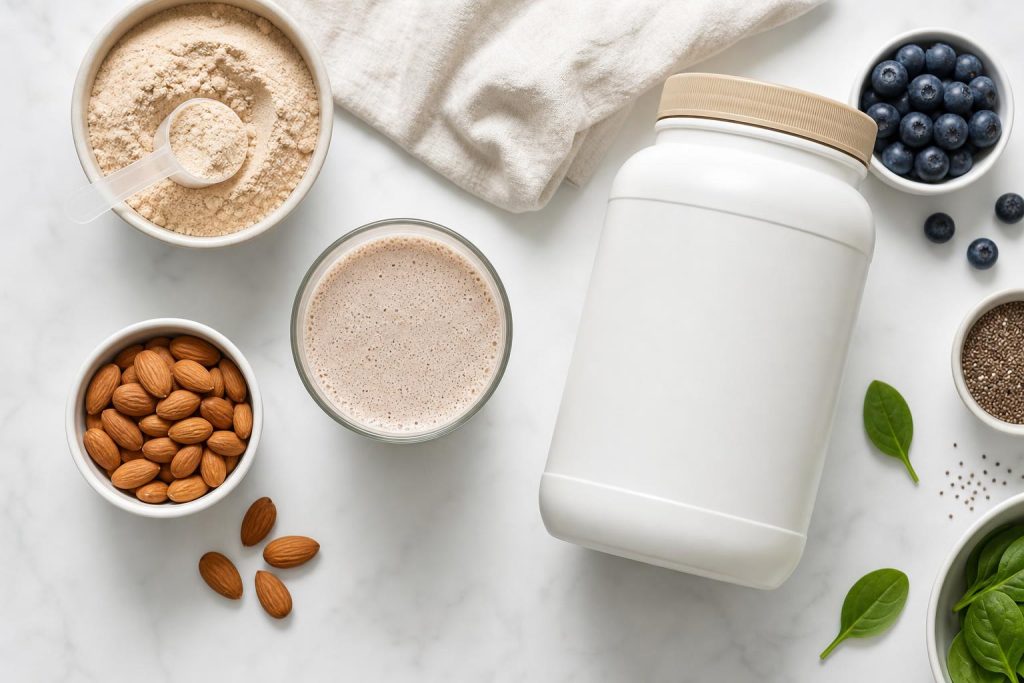
Here’s a number worth knowing: men on GLP-1 medications like semaglutide can lose up to as much as 39% of their total weight loss from lean muscle mass if protein intake isn’t carefully managed. That’s not a minor footnote — that’s the difference between getting leaner and getting weaker. Whether you’re on a GLP-1, cutting calories the old-fashioned way, or just trying to optimize your physique, choosing the right protein powder isn’t about brand loyalty or gym culture. It’s about protecting the tissue that keeps your metabolism firing.
The challenge for GLP-1 users specifically is physiological. These medications slow gastric emptying and dramatically reduce appetite, which means even a moderate-sized protein shake can feel like too much. Nausea, bloating, and early satiety aren’t signs of weakness — they’re pharmacological side effects. But the solution isn’t to skip protein. It’s to find a form your gut can actually process without revolt.
Why Digestibility Matters More Than You Think
Most men grab whatever protein powder is on sale without a second thought about how it’s processed in the body. That’s fine when your stomach is functioning at full capacity. But when digestion is compromised — whether by medication, gut sensitivity, stress, or age — the type of protein you choose becomes a genuine performance variable. Research on protein digestibility-corrected amino acid scores (PDCAAS) and DIAAS confirms that not all proteins are absorbed equally, and bioavailability gaps widen when GI function is impaired.
Whey protein isolate tends to be the gold standard for digestibility in healthy individuals — it’s low in lactose, high in leucine, and absorbed rapidly. Leucine in particular acts as a key trigger for muscle protein synthesis, making it non-negotiable when you’re in a caloric deficit. However, for men dealing with GLP-1-related nausea or existing lactose sensitivity, even isolate can be a problem. In those cases, hydrolyzed whey — where the protein chains are pre-broken into smaller peptides — offers faster absorption with less digestive burden.
Plant-based proteins present their own calculus. Pea protein isolate has emerged as a legitimate alternative, with one randomized trial showing comparable muscle thickness gains to whey over 12 weeks of resistance training. Brown rice protein, while lower in leucine on its own, performs well when blended with pea protein to round out the amino acid profile. For men with multiple sensitivities or strict dietary preferences, a high-quality pea-rice blend processed without harsh additives is worth considering over whole food plant proteins that come with more fermentable fiber and gas potential.
Collagen peptides occupy a separate category. They’re excellent for joints, skin, and connective tissue, but they’re an incomplete protein — low in tryptophan and not a reliable driver of muscle protein synthesis on their own. Use them as a complement, not a foundation.
What to Look For — and What to Avoid
The label matters as much as the macros. Many commercial protein powders are loaded with sugar alcohols like sorbitol and maltitol, which are notorious for triggering GI distress even in men without medication-related sensitivity. Artificial sweeteners like sucralose may also negatively affect gut microbiome composition with repeated use, which is the last thing you want when your digestive system is already working harder. Prioritize powders sweetened with stevia or monk fruit, with minimal filler ingredients and no proprietary blends that obscure actual dosing.
For men on GLP-1 medications, a practical approach is to think smaller and more frequent rather than large single servings. A 20–25g serving of hydrolyzed whey isolate or a clean pea-rice blend mixed into water or a light liquid base is far more manageable than a thick 40g shake when appetite is suppressed. You can spread protein intake across three to four windows during the day to hit your daily target — research suggests distributing protein evenly throughout the day optimizes muscle protein synthesis compared to front- or back-loading.
The Takeaway
Protecting muscle during any fat loss phase — medicated or not — comes down to consistent protein intake from sources your gut can actually use. Hydrolyzed whey isolate is the top pick for men who tolerate dairy, with a high-quality pea-rice blend as a close second for those who don’t. Skip the gimmicks, read the ingredient panel, and treat protein not as a supplement afterthought but as the structural foundation of every cut. The men who come out of a deficit looking athletic rather than depleted are the ones who protected their protein — every single day.