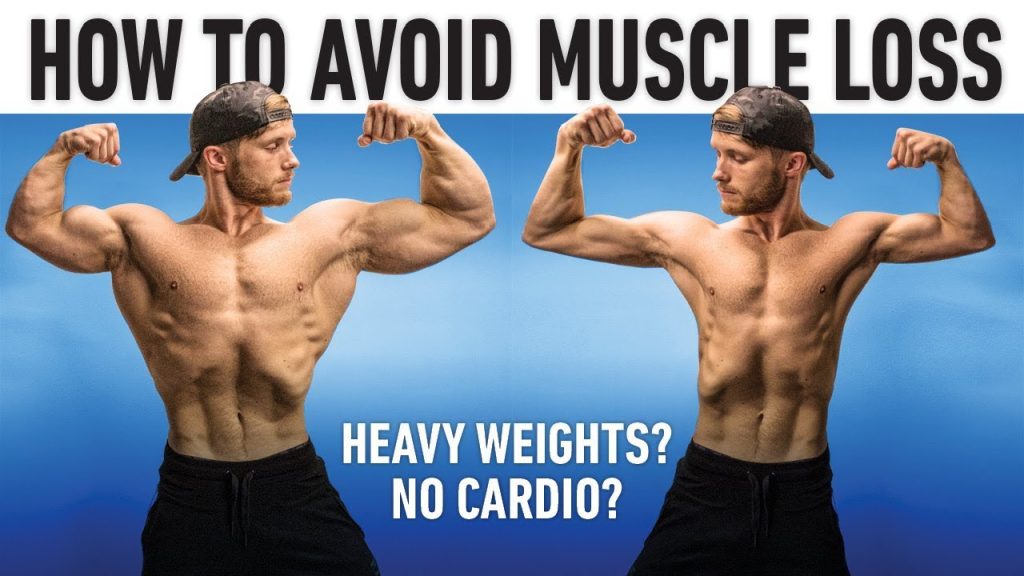
Video by Jeff Nippard on YouTube
Here’s something most prescribing physicians don’t tell their patients: starting a GLP-1 receptor agonist like semaglutide or tirzepatide without simultaneously restructuring your exercise routine is leaving a significant amount of the drug’s benefit on the table — and potentially creating a problem you won’t notice until the weight is already gone. A 2025 study published in the American Journal of Health Promotion found that combining GLP-1 medications with structured physical activity produces synergistic effects that improve blood glucose control, blood pressure, lipid profiles, body composition, and overall cardiometabolic risk far beyond what either intervention achieves alone. The researchers were direct in their conclusion: healthcare professionals need to routinely prescribe physical activity concurrently with GLP-1 therapy. Most don’t.
That gap between what the science recommends and what actually happens in the exam room means millions of men on these medications are essentially running on one engine when they could be running on two. More importantly, they may be quietly losing the one thing that determines how good their body looks and functions when the weight comes off — muscle mass. Understanding why GLP-1 medications change the rules of exercise, and specifically how to adapt, could be the difference between looking lean and looking diminished.
Why GLP-1 Changes the Exercise Equation
GLP-1 receptor agonists work primarily by suppressing appetite, slowing gastric emptying, and improving insulin sensitivity. The result is a significant caloric deficit, often sustained over months. That’s powerful for fat loss. But any time the body operates in a prolonged caloric deficit — whether through medication, aggressive dieting, or both — it becomes opportunistic. Without the right exercise stimulus, it will burn muscle alongside fat. This is not a theoretical concern. Research has consistently shown that rapid weight loss without resistance training accelerates lean mass loss, and GLP-1-driven weight loss is no exception.
This becomes especially critical for older men. examining GLP-1 use specifically in older adults highlighted the complexity of weight management in this population, where muscle preservation is already a physiological challenge. Sarcopenia — the age-related loss of muscle — compounds the risks of medication-driven weight loss when physical activity is not part of the picture. For men over 50 on a GLP-1, resistance training isn’t optional. It’s protective.
The appetite suppression these medications produce also changes how your body responds to training sessions. When you’re eating significantly less, you have fewer circulating amino acids available for muscle protein synthesis following a workout. This means the training stimulus needs to be deliberate and well-timed relative to whatever nutrition you are consuming. Showing up to the gym on a near-empty stomach after two days of low intake because the medication killed your appetite is not a recipe for preserving muscle — it’s a recipe for accelerated loss.
What Your Routine Should Actually Look Like
The practical redesign of your exercise routine while on a GLP-1 starts with one non-negotiable: resistance training must become the anchor. Two to four sessions per week of compound, multi-joint lifting — squats, deadlifts, rows, presses — provides the mechanical tension signal that tells your body muscle is necessary and worth preserving. This is the minimum effective dose for muscle retention during a caloric deficit, and there’s nothing revolutionary about that recommendation. The 2019 ACC/AHA guidelines on cardiovascular disease prevention already established that regular physical activity is the most important lifestyle factor for long-term cardiometabolic health — GLP-1 medications don’t change that foundation, they sit on top of it.
What does change is how you think about cardio. Many men on GLP-1 medications default to doing more steady-state cardio because the weight is coming off and it feels productive. But excessive low-intensity cardio in a deep caloric deficit can further suppress muscle protein synthesis and erode the lean mass you’re trying to protect. A smarter approach is to keep cardio moderate — two to three sessions per week of 20 to 40 minutes at a conversational pace — while treating it as a cardiovascular and metabolic health tool rather than the primary driver of fat loss. The medication is already handling the caloric deficit. Your cardio doesn’t need to chase it.
Protein intake deserves equal attention, because exercise and nutrition are inseparable in this context. When appetite suppression makes eating feel like a chore, protein tends to be the first macronutrient that drops. Prioritizing a protein-forward meal — ideally 30 to 50 grams of high-quality protein — within a few hours of your resistance training session becomes one of the highest-leverage habits you can build. Even if total daily calories are low, keeping protein high protects muscle and improves body composition outcomes. This is not a supplement strategy — it’s basic nutritional architecture that applies to every man trying to build or preserve muscle, medication or not.
The broader health picture also argues for this combined approach. UK primary care data from the IMPACT-O study found that the majority of adults with obesity carry at least one serious obesity-related complication — cardiovascular disease, type 2 diabetes, hypertension, or others. GLP-1 medications can reduce the metabolic burden of those conditions, but as the 2025 AJHP research makes clear, exercise adds synergistic effects on blood pressure, lipid levels, and glucose regulation that the medication alone cannot fully replicate. These aren’t redundant interventions — they work through partially different mechanisms, which is exactly why combining them outperforms either one in isolation.
There’s also a downstream effect worth considering. Men who lose significant weight through GLP-1 therapy and eventually taper or discontinue the medication are far better positioned to maintain their results if they’ve built a consistent training habit and preserved their lean mass during the weight loss phase. Muscle is metabolically active tissue. More muscle means a higher resting metabolic rate, which means greater caloric flexibility when the medication is no longer suppressing appetite. Building that foundation during the weight loss window isn’t just smart for right now — it’s the long game.
The Takeaway
GLP-1 medications are a legitimate and effective tool for men working to improve their metabolic health and body composition. But they are a tool that requires a well-built framework around them to deliver their full potential. The science is clear: physical activity — specifically resistance training paired with strategic cardiovascular work — amplifies everything these medications are trying to accomplish while protecting against their most significant downside risk, which is muscle loss. If you’re on a GLP-1 and you haven’t restructured your training to match this reality, the medication is doing its job. Your routine just hasn’t caught up yet.
Scientific References
-
Arnett, Blumenthal, Albert et al. (2019).
2019 ACC/AHA Guideline on the Primary Prevention of Cardiovascular Disease: Executive Summary: A Report of the American College of Cardiology/American Heart Association Task Force on Clinical Practice Guidelines..
Circulation.
View on PubMed → -
Ablah, Imboden, Zendell et al. (2025).
Benefits of Supplementing a GLP-1 Type Medication With Physical Activity..
American journal of health promotion : AJHP.
View on PubMed → -
Morrow, Hawkins, Griffiths et al. (2026).
Impact of weight-loss interventions on psoriasis severity: A systematic review and meta-analysis..
Journal of the European Academy of Dermatology and Venereology : JEADV.
View on PubMed → -
Toma, Buckley, Early et al. (2026).
Geriatric Pharmacotherapy Case Series: GLP-1 RA for Weight Management in Older Adults..
The Senior care pharmacist.
View on PubMed → -
Khunti, Capehorn, Artime et al. (2026).
Burden of long-term conditions and management of people with overweight and obesity: Data from the United Kingdom primary care cohort of the IMPACT-O study..
Diabetes, obesity & metabolism.
View on PubMed →