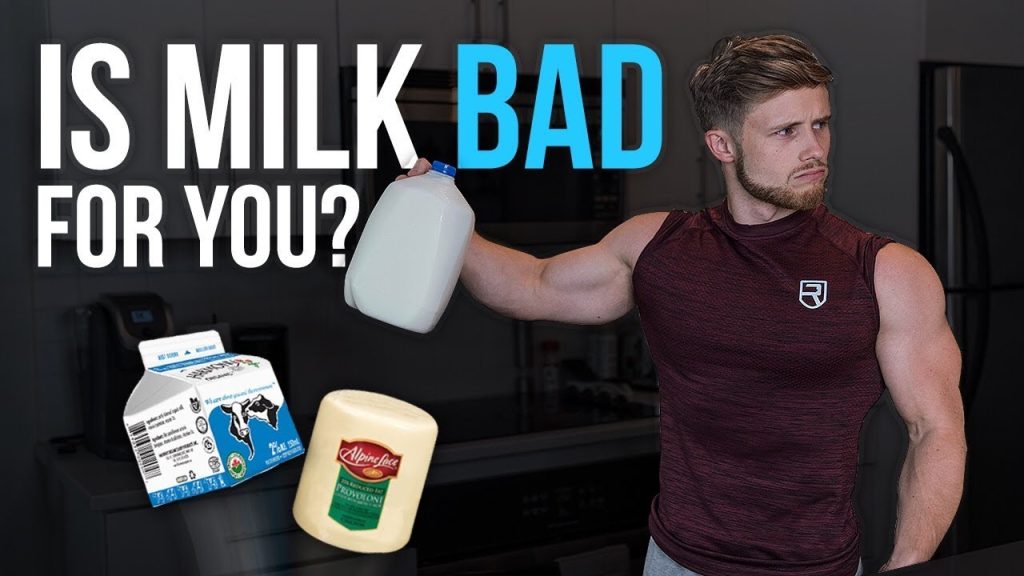
Video by Jeff Nippard on YouTube
There’s a uncomfortable truth buried in the weight loss literature: losing weight without a structured resistance training program almost guarantees you’ll lose muscle alongside fat. A landmark study published in Obesity Reviews found that up to 25% of weight lost during caloric restriction can come from lean mass — not fat. For men on GLP-1 medications like semaglutide or tirzepatide, this risk is even more pressing, given how aggressively these drugs suppress appetite and accelerate caloric deficits. But here’s what’s also true: with the right strength training program, you can protect nearly every pound of that muscle — and often build more while you lose fat.
This guide exists for every man serious about that outcome — whether you’re on a GLP-1 medication, running a traditional cut, doing keto, or simply lifting and eating clean. The principles don’t change. The physiology doesn’t care what tool you’re using to get into a deficit. What matters is that you’re lifting heavy, eating enough protein, recovering properly, and following a program designed around your actual goals.
Below, you’ll find a downloadable-ready breakdown of a science-backed strength training program built for fat loss and muscle preservation — the kind of protocol you’d normally pay a coach to design. We’ve done the work for you.
Why Strength Training Is Non-Negotiable During Fat Loss
The research on resistance training during a caloric deficit is remarkably consistent. A meta-analysis in the British Journal of Sports Medicine confirmed that resistance training preserves lean body mass significantly better than aerobic exercise alone during weight loss interventions. This isn’t a minor difference — it’s the difference between arriving at your goal weight looking lean and athletic versus looking depleted and soft.
For men specifically, muscle mass is intimately tied to metabolic rate. Research shows that skeletal muscle accounts for roughly 20–30% of resting energy expenditure, meaning every pound of muscle you preserve keeps your metabolism running higher — making fat loss easier to sustain long-term. Men on GLP-1 therapy face an amplified version of this challenge: appetite suppression can push daily calories dangerously low, accelerating muscle breakdown if training stimulus is absent. But again, this is a fat-loss problem, not a GLP-1-specific problem. Anyone eating in a significant deficit without lifting is burning muscle for fuel.
The practical implication is simple: if you are not doing structured resistance training at least three days per week while losing weight, you are leaving results on the table — regardless of how you’re managing your diet.
The Free Program: A 3-Day Full-Body Strength Protocol for Fat Loss
The program below is built around compound movements, moderate volume, and progressive overload — the three non-negotiables identified in exercise science for maintaining muscle during a deficit. It runs three days per week, making it sustainable for men with jobs, families, and lives outside the gym. Rest at least one day between sessions.
Day 1 — Squat Focus
Barbell back squat: 4 sets of 6–8 reps. Romanian deadlift: 3 sets of 8–10 reps. Dumbbell bench press: 3 sets of 8–10 reps. Seated cable row: 3 sets of 10–12 reps. Plank hold: 3 rounds of 45 seconds.
Day 2 — Hinge Focus
Conventional deadlift: 4 sets of 5 reps. Incline dumbbell press: 3 sets of 8–10 reps. Pull-ups or lat pulldown: 4 sets of 6–10 reps. Goblet squat: 3 sets of 12 reps. Farmer’s carry: 3 rounds of 40 meters.
Day 3 — Press Focus
Overhead barbell press: 4 sets of 6–8 reps. Bulgarian split squat: 3 sets of 10 reps per leg. Chest-supported dumbbell row: 3 sets of 10–12 reps. Trap bar deadlift or hex bar deadlift: 3 sets of 8 reps. Cable face pull: 3 sets of 15 reps.
Progressive overload is the engine that drives this program. Studies confirm that progressive resistance — gradually increasing load over time — is the primary driver of muscle protein synthesis and hypertrophy. Add weight when you can complete all sets and reps with clean form. Even small increases of 2.5–5 lbs per week compound significantly over months.
To save and print this program, simply highlight the protocol above and paste it into a Google Doc or Word file — or screenshot it to your phone. A printable PDF version formatted for the gym is available to download free from the link at the bottom of this page.
Nutrition: The Protein Target That Changes Everything
No training program works in a nutritional vacuum. For men in a caloric deficit — especially those experiencing reduced appetite from GLP-1 therapy — protein intake becomes the most critical dietary variable. A landmark paper in the Journal of the International Society of Sports Nutrition recommends 1.6 to 2.2 grams of protein per kilogram of bodyweight daily to maximize muscle retention during energy restriction. For a 200-pound man, that’s roughly 145–200 grams of protein per day — a number many men fall well short of, particularly when appetite is suppressed.
Prioritize whole food sources: eggs, chicken, beef, Greek yogurt, cottage cheese, and fish. If appetite is genuinely low and hitting protein targets through food alone feels difficult, a high-quality whey protein supplement can close the gap efficiently. Distribute intake across 3–4 meals to maximize muscle protein synthesis, as research consistently shows that muscle building signals are optimized with doses of 30–40 grams of protein per meal rather than loading everything into one or two sittings.
The Takeaway
Fat loss is relatively straightforward — create a deficit, stay consistent, give it time. Losing fat while keeping the muscle that makes you look and perform the way you want? That requires a plan. This three-day protocol gives you that plan, backed by the same principles exercise scientists recommend for everyone from elite athletes to men just getting started in the gym. Print it, follow it for twelve weeks, hit your protein target every day, and the results will speak for themselves — no matter how you’re managing your diet.