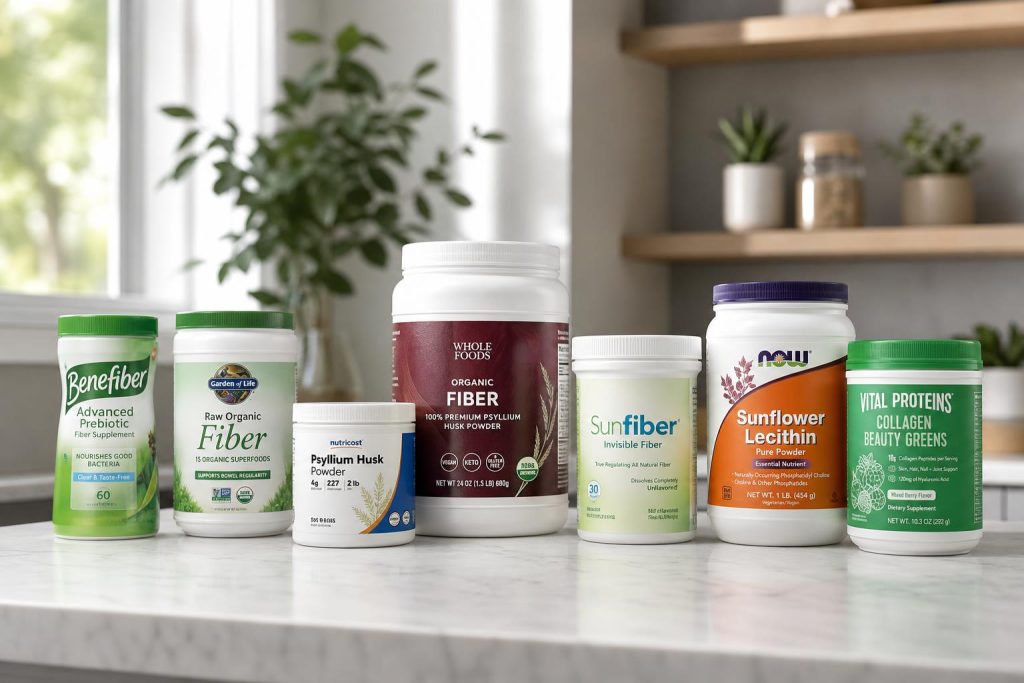
Most men are getting roughly half the fiber they need. According to data from the National Health and Nutrition Examination Survey, the average American adult consumes only about 16 grams of dietary fiber per day — well short of the 38 grams recommended for men under 50. That gap isn’t just a minor nutritional footnote. Research published in Archives of Internal Medicine found that men in the highest fiber intake quartile had significantly lower risks of cardiovascular disease, type 2 diabetes, and all-cause mortality compared to those consuming the least. Fiber isn’t a boring afterthought — it’s one of the most metabolically powerful tools available to any man trying to improve his health.
The interest in fiber has also surged among men using GLP-1 receptor agonists like semaglutide and tirzepatide. These medications slow gastric emptying and reduce appetite dramatically, which means total food volume — and fiber intake — often drops considerably. But the gut health principles here apply equally to anyone: the guy doing a 16:8 intermittent fast, the lifter eating 4,000 calories of clean food, the man who just swapped processed carbs for whole foods. Everyone’s gut microbiome responds to fiber, and everyone benefits from getting more of it strategically.
Why Fiber Is Non-Negotiable for Metabolic and Gut Health
Dietary fiber works through several overlapping mechanisms that touch nearly every system in the body. The most well-understood pathway involves fermentation in the colon. When soluble fiber reaches your large intestine, the resident bacteria ferment it into short-chain fatty acids (SCFAs) — primarily butyrate, acetate, and propionate. A landmark review in Cell Host & Microbe established that butyrate is the primary fuel source for colonocytes (the cells lining your colon) and plays a direct role in reducing intestinal inflammation, strengthening the gut barrier, and modulating immune function. A compromised gut barrier — often called leaky gut — allows bacterial endotoxins to enter systemic circulation, triggering low-grade chronic inflammation that research has linked to insulin resistance, obesity, and metabolic syndrome.
Beyond the microbiome, soluble fiber forms a viscous gel in the digestive tract that slows glucose absorption, blunts postprandial blood sugar spikes, and improves insulin sensitivity over time. A meta-analysis in Obesity Reviews confirmed that viscous fiber supplementation significantly reduced fasting glucose and insulin levels in overweight individuals. For anyone tracking body composition, this matters: lower insulin spikes mean a more favorable hormonal environment for fat oxidation throughout the day. Insoluble fiber, meanwhile, adds bulk to stool, accelerates gut transit time, and reduces the risk of diverticular disease — particularly relevant for men, who develop diverticulosis at higher rates than women.
The satiety effect of fiber is also clinically significant. A 2019 systematic review in Foods found that high fiber intake consistently reduced subjective hunger ratings and increased fullness, partly through stimulation of gut peptides like PYY and GLP-1 — the body’s own appetite-suppressing hormones. This is the natural mechanism that GLP-1 medications amplify pharmacologically. Whether you’re using a medication or not, feeding your gut the fiber it needs is one of the most direct ways to support your body’s own satiety signaling.
Choosing the Right Fiber Supplement: What the Evidence Supports
Not all fiber supplements are created equal, and the differences matter when you’re trying to achieve specific outcomes. Psyllium husk is the most studied fiber supplement in clinical literature. Research in the American Journal of Clinical Nutrition demonstrated that psyllium supplementation (around 10 grams per day) significantly lowered LDL cholesterol and improved glycemic control in men with type 2 diabetes. Psyllium is a soluble, viscous fiber that forms a thick gel, making it excellent for blood sugar management and cholesterol reduction. It’s widely available, affordable, and has decades of safety data behind it. Start with 5 grams once daily with a large glass of water, working up to 10–15 grams per day split across two doses to minimize bloating.
Inulin and fructooligosaccharides (FOS) are prebiotic fibers that preferentially feed Bifidobacterium and Lactobacillus species — the bacterial strains most consistently associated with lean body mass and metabolic health in the microbiome literature. A randomized controlled trial in Gut showed that inulin-type fructan supplementation significantly increased Bifidobacterium abundance and reduced body weight and fat mass compared to placebo. Inulin is fermented rapidly, which means it can cause gas and bloating when introduced too quickly — starting with 3–5 grams per day and building slowly over two to three weeks is important, especially for men with any history of IBS or gut sensitivity.
Beta-glucan, found naturally in oats and available as a concentrated supplement, deserves particular attention for men focused on cardiovascular and metabolic health. A meta-analysis in the European Journal of Clinical Nutrition confirmed that 3 grams of oat beta-glucan daily produced a meaningful reduction in LDL cholesterol — an effect now recognized by the FDA with an approved health claim. Beta-glucan also has a robust evidence base for glycemic control, with studies showing reduced postmeal glucose spikes when consumed before or with carbohydrate-containing meals. For men building or maintaining muscle while managing body fat, the practical approach is adding 3–5 grams of oat beta-glucan to a pre-workout or morning meal.
Partially hydrolyzed guar gum (PHGG) is a newer option gaining traction in functional medicine circles. Unlike many fermentable fibers, PHGG produces significantly less gas during fermentation, making it better tolerated, particularly for men with sensitive guts or those in early stages of increasing fiber intake. Clinical trials have shown PHGG to improve stool consistency, reduce IBS symptoms, and support a healthy gut microbiota composition without the common side effects of other prebiotic fibers. It mixes easily in water or protein shakes, making it a practical addition to any nutrition protocol.
For men using GLP-1 medications specifically, the fiber strategy needs one additional consideration: because gastric emptying is already slowed, adding large doses of viscous fiber too quickly can compound nausea and fullness. The priority is hitting at least 15–20 grams of total daily fiber from food and supplements combined, spread across the day rather than consumed in one sitting, and always taken with adequate hydration. Psyllium and PHGG tend to be the best-tolerated starting points in this context before introducing more fermentable options like inulin.
What This Means For You
The research case for fiber is overwhelming, and the practical barrier to getting enough of it is lower than most men think. Whether you’re dialing in your nutrition around a training program, managing blood sugar, supporting fat loss, or protecting your gut while on a medication that changes how you eat — fiber is one of the highest-return interventions available. Focus on getting as much as you can from whole food sources first: legumes, oats, vegetables, and fruit. Use supplemental fiber to close the gap, not replace the diet. Start low, go slow with fermentable types, drink more water than you think you need, and give your microbiome four to six weeks to adapt before judging results. The gut is responsive — and the men who treat it well consistently show up healthier across every metric that matters.