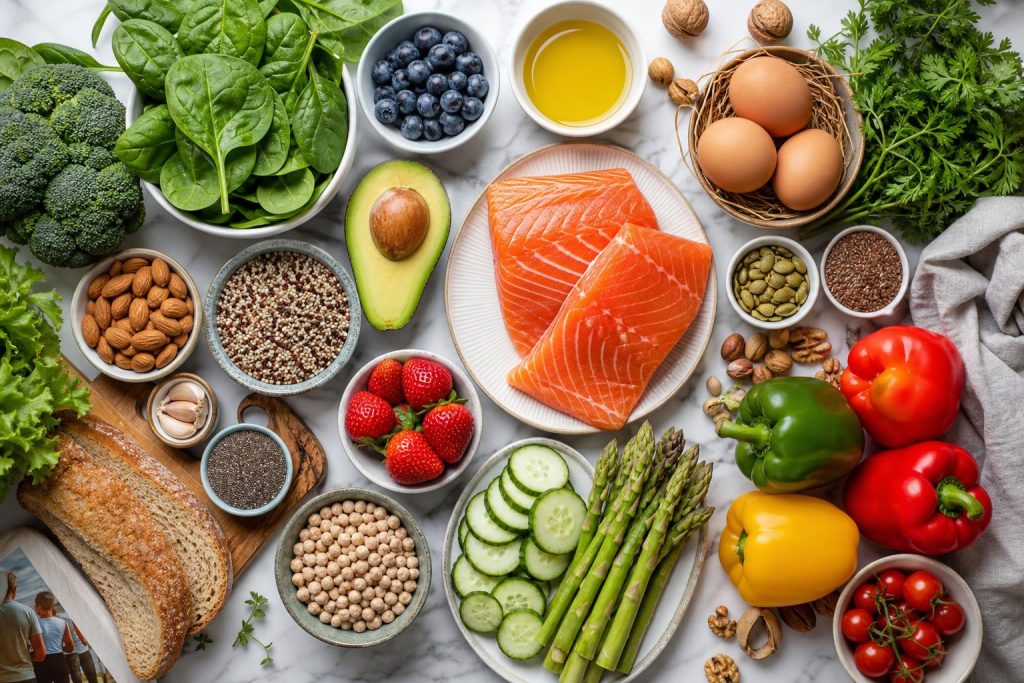
Regardless of whether you’re using GLP-1 medications like semaglutide or pursuing metabolic health through diet and exercise alone, one truth remains: what you eat matters more than how you lose weight.
Recent research shows that men using GLP-1 medications while following a structured nutrition plan achieve better long-term fat loss and metabolic markers than medication alone. But here’s the critical insight: the principles that make GLP-1 work—high protein intake, stable blood sugar, nutrient density—are the same principles that optimize metabolic health for everyone.
This guide covers the evidence-based nutritional framework for supporting your metabolic health, whether you’re using GLP-1 as a tool or building your results through traditional diet and training.
1. Prioritize Protein: The Foundation of Metabolic Health
Research demonstrates that high-protein diets improve body composition, increase satiety, and preserve lean muscle mass during weight loss—benefits that matter whether you’re on medication or not.
For men pursuing metabolic health, protein should be your nutrition anchor:
Practical Protein Guidelines
- Baseline intake: 0.8–1.0g per pound of body weight daily (or 1.6–2.2g per kg). This range supports fat loss while preserving muscle and enhancing satiety.
- For GLP-1 users specifically: studies show that maintaining 1.0g+ per pound helps prevent muscle loss when appetite is suppressed, preventing the “sarcopenic obesity” trap where you lose muscle alongside fat.
- Timing matters: Distribute protein across 3–4 meals (25–40g per meal) rather than concentrating it at dinner. Research on muscle protein synthesis shows this approach maximizes muscle maintenance across the day.
- Preferred sources: Lean meats (chicken, turkey, lean beef), fish, eggs, Greek yogurt, cottage cheese, and plant-based options like legumes and tempeh.
Why Protein Matters on GLP-1
GLP-1 medications reduce appetite, which is their mechanism of action. But reduced appetite can mean reduced overall calorie intake—including protein. Men who intentionally prioritize protein on GLP-1 report better energy, faster recovery, and improved body composition compared to those who simply “eat less.”
2. Master Blood Sugar Stability: Nutrition for Metabolic Resilience
One of the most underrated aspects of metabolic health is blood sugar regulation. Stable glucose levels improve energy, reduce cravings, and optimize fat loss and muscle retention.
While GLP-1 medications help regulate blood sugar, your food choices are what truly drive daily glucose stability:
Blood Sugar Stabilization Protocol
- Prioritize whole foods over processed ones: Whole grains, vegetables, legumes, and fruits cause slower, more gradual blood sugar rises than refined carbohydrates and added sugars.
- The protein-fat-fiber rule: Every meal should contain protein, healthy fat, and fiber. This trio significantly slows carbohydrate digestion and glucose absorption. Research shows combining these three macronutrients reduces postprandial glucose spikes by 30–50%.
- Carbohydrate quality matters: Focus on resistant starch (cooled potatoes, legumes), vegetables, and whole grains. Minimize refined grains, sugary drinks, and pastries.
- Meal sequencing: Eating protein and fat first, followed by carbohydrates, reduces blood sugar spikes by 20–30% compared to reverse order.
Practical Example Meal Structure
Breakfast: 3 whole eggs + 2 slices whole grain toast + ½ avocado + side of berries
Lunch: 6oz grilled chicken + 1 cup brown rice + large mixed green salad with olive oil dressing
Dinner: 8oz salmon + roasted sweet potato + steamed broccoli with butter
Snack (if needed): Greek yogurt + almonds + berries
This structure ensures stable energy, supports muscle preservation, and optimizes the metabolic benefits whether you’re using GLP-1 or relying entirely on lifestyle.
3. Strategic Calorie Balance: The Non-Negotiable Variable
Here’s an uncomfortable truth: you cannot out-supplement or out-medicate a caloric surplus. Research confirms that weight loss—whether via GLP-1, keto, or traditional calorie restriction—fundamentally requires energy deficit.
The advantage of GLP-1 is that it makes achieving this deficit easier by reducing appetite. But the diet still matters enormously.
Calorie Deficit Strategy for Fat Loss
- Establish baseline: Calculate your maintenance calories using the Mifflin-St Jeor equation or track your current intake for 1–2 weeks.
- Create a deficit: Aim for 300–500 calories below maintenance. This supports steady fat loss (0.5–1lb per week) while preserving muscle and avoiding metabolic adaptation.
- On GLP-1: Many users naturally eat 500–1000 calories less due to appetite suppression. This is fine, but avoid going below 1800–2000 total daily calories without professional guidance. Very low calorie intake on GLP-1 increases risk of muscle loss, nutrient deficiency, and gallstone formation.
- Track strategically: Use an app (MyFitnessPal, Cronometer) for 2–4 weeks to calibrate portion sizes. After that, many men can eyeball portions reliably.
4. Nutrient Density: Prevent Deficiency, Optimize Performance
Eating fewer calories naturally means eating less total food—which can increase risk of micronutrient gaps. This is especially true on GLP-1, where appetite suppression can reduce overall intake.
Nutrient-Dense Food Priorities
- Organ meats: Liver is exceptionally nutrient-dense (iron, B vitamins, choline). Aim for 3–4oz once weekly.
- Fatty fish: Salmon, mackerel, and sardines provide omega-3s, vitamin D, and selenium. Target 2–3 servings weekly.
- Colorful vegetables: Red peppers, dark leafy greens, broccoli, and carrots offer different micronutrient profiles. Aim for 5+ servings daily.
- Eggs: One of the most nutrient-dense foods available—complete protein, choline, lutein, and micronutrients.
- Legumes: Beans, lentils, and chickpeas provide fiber, plant protein, and minerals.
- Supplementation consideration: A basic multivitamin and vitamin D3 (2000–4000 IU daily) are reasonable insurance policies, particularly on GLP-1. Discuss B12 supplementation or injections with your doctor if you’re at risk.
5. Practical Implementation: Building Your Real-World Diet
Theory is useful. But here’s what actually works: a simple, repeatable system you’ll follow for months.
The 80/20 Framework
80% of your diet should be:
- Lean proteins (chicken, turkey, fish, beef, eggs)
- Whole grains and starchy vegetables (rice, oats, potatoes, sweet potatoes)
- Non-starchy vegetables (broccoli, spinach, peppers, zucchini)
- Healthy fats (olive oil, avocado, nuts, fatty fish)
- Legumes and beans
20% can be: Flexible foods you enjoy—pasta, pizza, desserts, alcohol, etc. This maintains compliance and mental health.
Weekly Meal Prep Protocol
Spend 2 hours on Sunday:
- Cook 2–3 lbs of protein (grilled chicken, ground turkey, salmon)
- Prepare 2–3 carbohydrate sources (rice, sweet potatoes, oats)
- Roast or steam 3–4 vegetable types
- Portion into containers for the week
This removes decision fatigue and ensures you hit protein and calorie targets consistently.
For GLP-1 Users Specifically
A few adjustments:
- Smaller, more frequent meals: Some users tolerate 4–5 smaller meals better than 3 large ones. Adjust based on comfort.
- Softer textures: Early on, some men report difficulty with tough meats. Ground meats, fish, and tender poultry are easier initially.
- Hydration: GLP-1 can reduce thirst cues. Aim for 3–4 liters of water daily. Dehydration can impair fat loss and increase side effects.
- Alcohol consideration: Alcohol on GLP-1 carries increased hypoglycemia risk and nausea. If you drink, do so moderately with food.
Bottom Line
The best diet for metabolic health—whether you’re using GLP-1 or not—is built on these universal principles:
- Protein first: 0.8–1.0g per pound daily, distributed across meals
- Blood sugar stability: Whole foods, fiber, and the protein-fat-fiber combination at each meal
- Caloric awareness: A moderate deficit (300–500 cal/day) for steady fat loss without muscle loss
- Nutrient density: Prioritize whole, nutrient-rich foods and supplement strategically
- Consistency over perfection: An 80/20 diet you follow for 12 months beats a perfect diet you quit in 8 weeks
GLP-1 medications are a powerful tool—they reduce appetite and improve blood sugar control. But they’re not a replacement for smart nutrition. Men who combine medication (if using it) with intentional eating, regular strength training, and lifestyle habits see the best results.
Your next step: Choose one principle above and implement it this week. If you’re new to tracking, start with protein intake. If you’re already high-protein, focus on blood sugar stability. Small, consistent wins compound into metabolic transformation.
Learn how to structure training alongside your nutrition for maximum fat loss and muscle preservation →