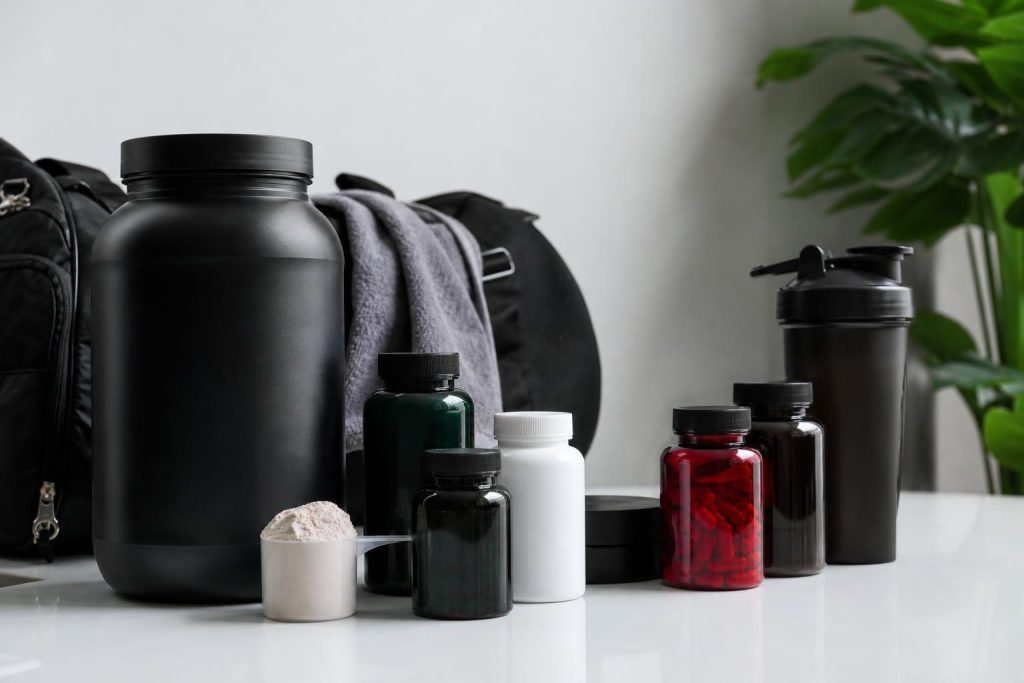
Protein Supplementation During Tirzepatide Treatment: Evidence-Based Protocol for Muscle Preservation and Fat Loss
Tirzepatide—the dual GIP/GLP-1 receptor agonist marketed as Zepbound and Mounjaro—has demonstrated remarkable efficacy for weight loss, with clinical trials showing 20.9% body weight reduction over 72 weeks. But here’s what most people miss: without strategic protein supplementation and resistance training, up to 40% of that weight loss can come from lean muscle mass—a metabolic catastrophe that undermines long-term metabolic health and body composition.
This comprehensive guide reveals the science-backed protein strategy that tirzepatide users need to preserve muscle, accelerate fat loss, and sustain metabolic improvements long after treatment ends.
Why Protein Matters More on Tirzepatide: The Appetite Suppression Problem
Tirzepatide works by slowing gastric emptying and increasing satiety signals in the brain—which is excellent for calorie reduction but creates a unique nutritional challenge: severe appetite suppression makes it difficult to consume adequate protein through whole foods alone.
Research on GLP-1 agonists shows that users experience reduced appetite for all macronutrients, but protein-dense foods (meat, fish, eggs) are often the hardest to stomach due to their density and satiety-triggering properties. This creates a dangerous deficit: your body needs MORE protein during a caloric deficit to preserve muscle, yet tirzepatide makes consuming that protein exceptionally difficult.
The solution: High-quality protein supplementation bypasses this bottleneck by delivering concentrated protein in liquid or powder form—easier to consume when appetite is suppressed.
Additionally, protein’s thermic effect (the energy required to digest it) remains elevated even in a hypocaloric state, meaning supplemental protein not only preserves muscle but also slightly increases metabolic expenditure—a compounding benefit when fat loss is the primary goal.
Optimal Protein Dosing for Tirzepatide Users: The Evidence-Based Protocol
Standard protein recommendations (0.8g per kg body weight for sedentary adults) are insufficient for people taking tirzepatide while strength training. Meta-analyses demonstrate that 1.6-2.2g of protein per kg of lean body mass maximally stimulates muscle protein synthesis during caloric deficits—and tirzepatide users are almost always in a caloric deficit.
Practical Protocol:
- Target: 1.8-2.0g per kg of total body weight (or 2.2-2.4g per kg of lean body mass if you know your body composition)
- Example: An 90kg person should aim for 162-180g of protein daily
- Distribution: Spread across 3-4 meals/shakes. Research suggests 25-40g per feeding optimally triggers muscle protein synthesis
- Timing: Within 2 hours post-resistance training, but total daily intake matters more than timing
For tirzepatide users specifically, protein supplementation should comprise 40-60% of total daily caloric intake—higher than standard recommendations—because suppressed appetite means you’re eating less volume overall. Prioritizing protein ensures the calories you do consume are directed toward metabolic recovery rather than fat accumulation.
Selecting the Right Protein Supplement: What the Research Actually Shows
Not all protein supplements are created equal—especially for GLP-1 users managing suppressed appetite and gastrointestinal sensitivity.
Whey Protein Isolate remains the gold standard. Whey isolate demonstrates superior bioavailability and the highest leucine content (3-4g per serving), the amino acid most critical for activating mTOR and stimulating muscle protein synthesis. It’s also the fastest-absorbing option, making it ideal when appetite is compromised—you can consume a meaningful dose of protein in a liquid shake rather than a heavy meal.
Why avoid cheap protein blends? Many mass-market protein powders contain high filler ratios, artificial sweeteners (which may trigger GI distress during tirzepatide treatment), and lower bioavailability. For tirzepatide users, every calorie and gram of protein counts—choose quality.
High-quality whey protein isolate powders from brands using third-party testing (NSF Certified or Informed Choice) ensure you’re getting what’s listed on the label without contaminants. Look for products with minimal additives, <1g sugar per serving, and 25g+ protein per scoop.
Casein or Blended Proteins? While casein provides sustained amino acid delivery over 5-7 hours, tirzepatide users should prioritize whey for daily use because slower digestion can exacerbate nausea or fullness. Reserve casein for evening consumption if tolerated.
Plant-Based Alternatives: Pea and rice protein blends have improved, but leucine content is 30-40% lower than whey, and bioavailability is reduced. If you use plant-based protein, increase your intake by 10-20% to match whey’s muscle-building effect.
Integrating Protein Supplementation Into Your Tirzepatide Nutrition Plan
The challenge isn’t knowing you need protein—it’s actually consuming it when tirzepatide suppresses appetite and causes food aversion. Here’s a practical framework:
Daily Structure (Using a 90kg Person Targeting 180g Protein):
- Breakfast: 30g protein (whole eggs + 1 shake = whey isolate, 25g)
- Lunch: 40g protein (3-4oz lean meat + vegetables)
- Mid-Afternoon: 40g protein (protein shake with nut butter for calories)
- Dinner: 45g protein (5oz fish or poultry)
- Evening (if hungry): 25g protein (casein shake or Greek yogurt)
Pro Tip for GI Tolerance: Whey isolate with added digestive enzymes (protease, lipase) reduces GI distress and speeds nutrient absorption. If nausea or bloating occurs, reduce shake volume (use less liquid) and sip slowly—concentrate the protein rather than diluting it.
Combining Protein with Resistance Training: Protein supplementation alone doesn’t preserve muscle—it’s the stimulus. Resistance training 3-4x weekly combined with adequate protein intake reduces lean mass loss during caloric deficits by 60-80% compared to diet alone. Prioritize compound movements (squats, deadlifts, presses) to maximize the muscle-building signal your protein is working to support.
Common Pitfalls: What Tirzepatide Users Get Wrong About Protein
Myth #1: “More protein = more weight loss.” False. Beyond 2.0-2.2g per kg, excess protein is simply converted to glucose or stored as fat. Your caloric deficit—not protein amount—drives fat loss. Protein’s role is preservation and satiety, not acceleration.
Myth #2: “I can’t digest that much protein.” Most people can. The issue is volume and stomach capacity, not digestive capacity. Protein supplements solve this by concentrating nutrients in liquid form. Start with 25-30g shakes and build tolerance over 2-3 weeks.
Myth #3: “Protein supplements cause kidney damage.” Extensively debunked. Even high protein intake (2.5g per kg) for extended periods doesn’t harm kidney function in people with normal baseline renal health. If you have pre-existing kidney disease, consult your physician—but otherwise, this is not a legitimate concern.
The Real Risk: Inadequate protein intake during tirzepatide treatment. Muscle loss accelerates aging, reduces metabolic rate (making future weight regain easier), and impairs strength and function. Undereating protein is the costly mistake, not overconsuming it.
Supplementation Beyond Protein: What Else Tirzepatide Users Need
While protein is non-negotiable, a few complementary supplements enhance outcomes:
- Creatine Monohydrate (5g daily): Creatine increases muscle phosphate stores, enhancing strength and recovery during caloric deficits. It’s one of the most researched, safe, and effective supplements. Micronized creatine monohydrate is affordable and mixes easily into protein shakes.
- Vitamin D3 (2000-4000 IU daily): Tirzepatide users often experience reduced food intake, increasing micronutrient deficiency risk. Vitamin D supports immune function, mood, and bone health—critical when losing weight rapidly.
- Electrolytes (Sodium, Potassium, Magnesium): Severe appetite suppression can lead to subtle electrolyte imbalances. An electrolyte drink or supplement supports hydration, muscle function, and prevents cramping during training.
Skip These: Amino acid supplements (BCAAs, EAAs) are unnecessary if you’re consuming adequate total protein. Fat burners and thermogenics add cost without meaningful benefit—a caloric deficit from diet and training is far more powerful than any supplement.
Bottom Line: Your Tirzepatide + Protein Supplementation Protocol
Tirzepatide is a powerful tool for fat loss, but without adequate protein intake and resistance training, you’ll lose muscle alongside fat—undermining your metabolic health and long-term sustainability.
Your action steps:
- Calculate your protein target: 1.8-2.0g per kg of body weight daily
- Source 40-60% of that protein from supplementation using high-quality whey protein isolate in 25-40g servings
- Time your largest protein intake post-resistance training, but prioritize total daily intake over meal timing
- Combine protein with 3-4 weekly resistance training sessions—this is the stimulus that makes protein effective for muscle preservation
- Consider creatine and vitamin D3 as complementary support for strength, recovery, and micronutrient status
- Expect 2-3 weeks of adaptation as your GI system adjusts to supplemental protein—start conservatively and titrate up
Done correctly, this protocol transforms tirzepatide from a weight-loss drug into a body recomposition tool—you’ll lose fat, preserve muscle, and emerge with a faster metabolism and stronger, leaner physique.
Next Step: Ready to dive deeper into GLP-1 treatment optimization? Explore our complete guide to tirzepatide dosing and side effect management and learn how to structure your resistance training while on GLP-1 medications for maximum muscle preservation and metabolic benefit.