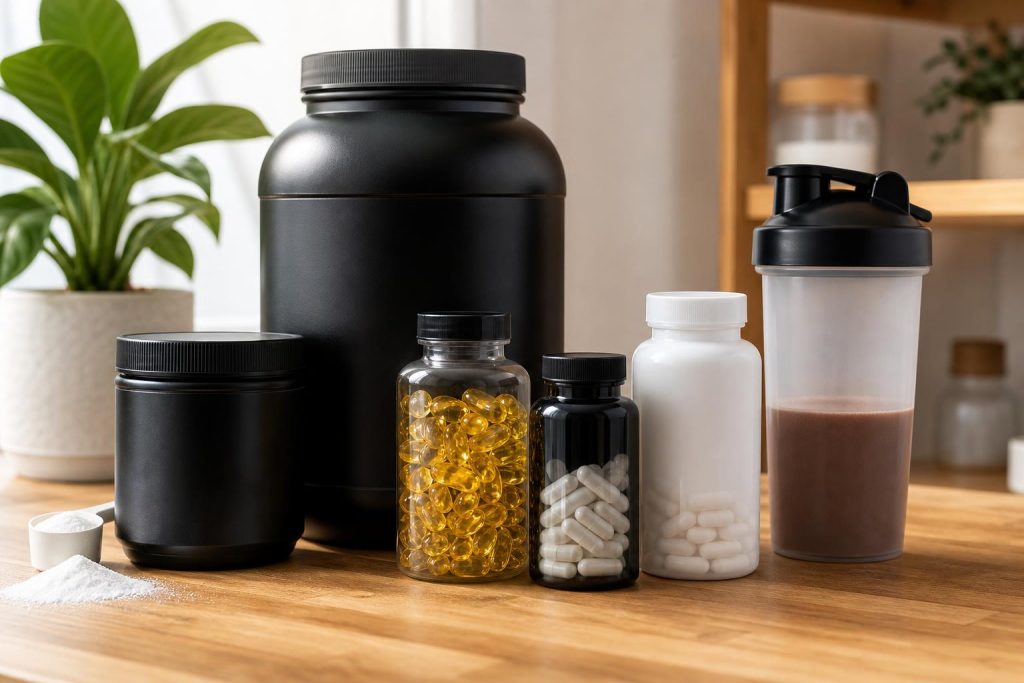
Electrolyte Supplements for GLP-1 Users: Science-Backed Hydration & Mineral Strategy
GLP-1 medications like semaglutide and tirzepatide are metabolic game-changers—but they come with a hidden challenge most users don’t anticipate: electrolyte depletion and dehydration.
When you’re on a GLP-1, appetite suppression often leads to reduced food and fluid intake. Research shows GLP-1 users experience delayed gastric emptying and reduced caloric intake by 20-30%, which means fewer minerals, less water, and increased risk of electrolyte imbalance.
The result? Fatigue, muscle cramps, dizziness, headaches, and compromised workout performance—exactly what you don’t want when you’re trying to preserve lean mass during a fat loss phase.
This guide covers the electrolyte science specific to GLP-1 metabolism, which supplements actually work, and a practical protocol to optimize hydration while maximizing fat loss and muscle preservation.
Why GLP-1 Users Face Electrolyte Risk
GLP-1 medications trigger several mechanisms that increase electrolyte loss:
Reduced caloric intake: A clinical trial found GLP-1 users reduced daily intake by 300-500 calories on average, directly lowering sodium, potassium, and magnesium consumption from whole foods.
Gastrointestinal effects: Nausea and delayed gastric emptying from GLP-1 therapy can increase fluid loss and mineral depletion.
Increased urine output: As weight drops and metabolic rate adjusts, some users experience mild polyuria (increased urination), further depleting sodium and potassium.
Muscle preservation threat: Low potassium and magnesium impair protein synthesis and muscle function. Studies confirm electrolyte balance is critical for preserving lean mass during caloric deficits.
For GLP-1 users pursuing body recomposition (fat loss + muscle gain), electrolyte management isn’t optional—it’s foundational.
The Three Essential Electrolytes for GLP-1 Users
Sodium (Na⁺)
Target intake: 3,000-5,000 mg daily (higher than standard recommendations due to reduced food intake).
Sodium regulates fluid balance and supports muscle contractions. Research shows sodium depletion increases fatigue and reduces exercise performance by 5-15%.
Why GLP-1 users need more: If you’re eating 1,200-1,500 calories versus 2,500, you’re losing 1,000+ mg of dietary sodium daily.
Practical source: Electrolyte drinks, bone broth, or 1/4 teaspoon sea salt in your morning water.
Potassium (K⁺)
Target intake: 2,600-3,400 mg daily.
Potassium is critical for muscle function and nerve signaling. Low potassium increases muscle cramps and cardiac arrhythmia risk, especially in calorie-restricted populations.
GLP-1 consideration: Nausea may prevent you from eating potassium-rich foods (leafy greens, avocado, banana). Supplementation becomes essential.
Practical source: Electrolyte powders (like LMNT or Liquid IV), potassium-rich broths, or foods you can tolerate (coconut water, low-sugar electrolyte beverages).
Magnesium (Mg²⁺)
Target intake: 300-400 mg daily.
Magnesium supports protein synthesis and muscle recovery. Clinical evidence shows magnesium deficiency impairs muscle protein synthesis by up to 30%, directly undermining your body recomposition efforts.
GLP-1 bonus: Magnesium also reduces nausea and improves gut function—common GLP-1 side effects.
Practical source: Magnesium glycinate (gentle on stomach), electrolyte powders, or magnesium-rich foods like almonds and dark leafy greens.
Best Electrolyte Supplementation Protocol for GLP-1 Users
Daily Protocol:
- Morning: 1/4 teaspoon sea salt in 16 oz water + 200 mg magnesium glycinate with breakfast (or first meal).
- Mid-day: 1 serving electrolyte powder (LMNT, Liquid IV, or similar) in 16 oz water. Choose products with 300-500 mg sodium, 100-200 mg potassium, and minimal sugar.
- Pre-workout: Additional 200-300 mg sodium + 8 oz water (30 minutes before training) to support performance and prevent cramping.
- Post-workout: Electrolyte drink with 4:1 potassium-to-sodium ratio within 30 minutes of training to support muscle recovery.
Practical tip: Track your hydration. GLP-1 users should aim for 3-4 liters of water daily (more if training intensely or in hot climates). Clear urine indicates adequate hydration.
Quality markers: Choose electrolyte supplements with:
- Third-party testing (NSF, Informed Choice)
- No artificial sweeteners if possible (or stevia/monk fruit only)
- Balanced sodium-potassium ratio (ideally 2:1 to 1:1)
- Added magnesium (bonus for muscle and nausea management)
Bottom Line
Electrolyte supplementation isn’t glamorous, but for GLP-1 users pursuing sustainable fat loss and muscle preservation, it’s non-negotiable. Research confirms proper electrolyte balance improves exercise performance, muscle retention, and metabolic outcomes during caloric restriction.
Quick summary:
- GLP-1 reduces food intake → reduced electrolyte intake from whole foods
- Target: 3,000-5,000 mg sodium, 2,600-3,400 mg potassium, 300-400 mg magnesium daily
- Use quality electrolyte powders + sea salt + magnesium glycinate
- Prioritize hydration: 3-4 liters water daily minimum
- Time electrolytes around workouts for maximum muscle preservation and performance
Your next step: Start with a simple electrolyte powder (added to water) and magnesium glycinate at night. Track your energy, workout performance, and muscle soreness for 2-3 weeks. Adjust sodium based on appetite, energy levels, and training intensity.
Ready to optimize your entire GLP-1 protocol? Read our complete guides on nutrition strategies for GLP-1 users, muscle preservation during weight loss, and training protocols for body recomposition on semaglutide.