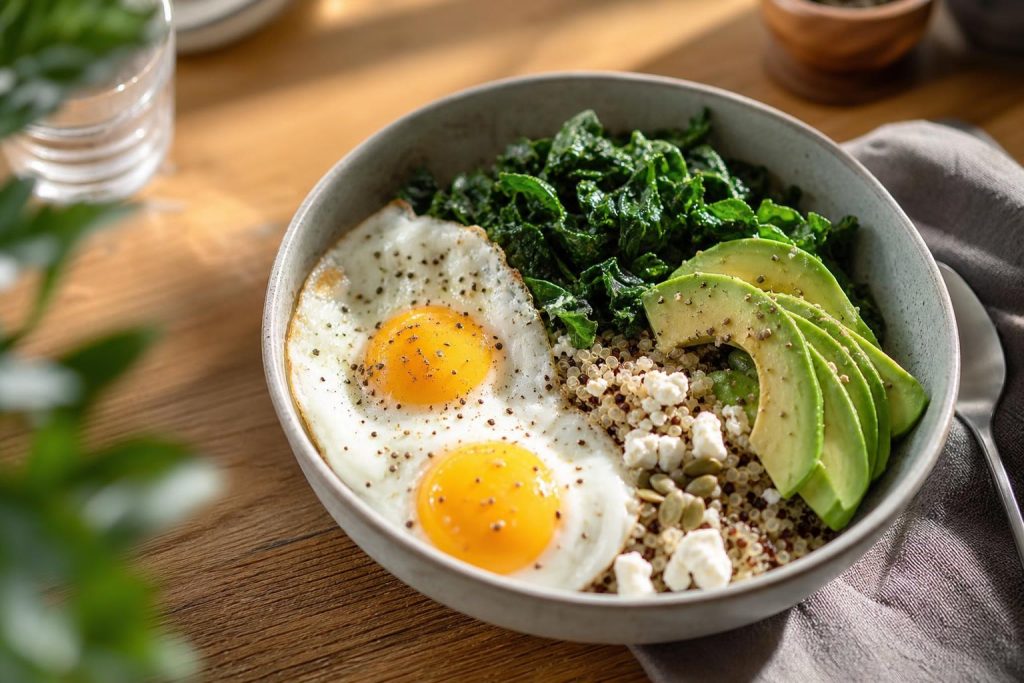
Introduction: Why GLP-1 Users Need More Protein Than You Think
GLP-1 receptor agonists like semaglutide and tirzepatide are remarkably effective for weight loss—but there’s a hidden risk most users don’t understand: rapid weight loss from GLP-1 therapy can result in 25-35% of total weight loss coming from lean muscle tissue, not just fat.
This isn’t a trivial concern. Losing muscle while using GLP-1 means:
- Metabolic slowdown (muscle is metabolically active tissue)
- Higher risk of weight regain after stopping medication
- Reduced functional strength and mobility
- Compromised body composition outcomes
The solution? Strategic protein intake combined with resistance training. Research published in the British Journal of Sports Medicine demonstrates that adequate protein intake (1.6-2.2g/kg body weight) during caloric deficit preserves lean mass and enhances fat loss outcomes.
For GLP-1 users specifically, the challenge isn’t knowing you need protein—it’s *consuming enough* when appetite suppression makes eating feel impossible. This guide reveals exactly how much protein you need, when to consume it, and practical strategies to hit your targets despite reduced hunger.
How Much Protein Do GLP-1 Users Actually Need?
Standard nutrition guidelines suggest 0.8g of protein per kilogram of body weight for sedentary adults. This is inadequate for GLP-1 users pursuing body recomposition.
International Society of Sports Nutrition (ISSN) recommendations for individuals in caloric deficit performing resistance training range from 1.6-2.2g/kg body weight daily. GLP-1 users fall squarely into this category—you’re in a deficit (intentional or metabolic) and should be resistance training to preserve muscle.
Practical Translation:
- If you weigh 200 lbs (91 kg): target 146-200g protein daily
- If you weigh 150 lbs (68 kg): target 109-150g protein daily
- If you weigh 250 lbs (114 kg): target 182-250g protein daily
For GLP-1 users with significant appetite suppression, a reasonable target is 1.8-2.0g/kg body weight as a middle ground—aggressive enough to preserve muscle, realistic enough to achieve despite reduced appetite.
A 2015 meta-analysis in the Journal of the International Society of Sports Nutrition found that protein intake above 1.6g/kg showed no additional muscle-sparing benefit in most populations, suggesting diminishing returns beyond this threshold. You don’t need 3g/kg—you need 1.6-2.0g/kg, and consistency matters more than extreme amounts.
Protein Timing and Meal Frequency: Navigating Reduced Appetite
Traditional sports nutrition emphasizes post-workout protein windows and frequent meals. GLP-1 users face a different constraint: eating three meals daily often becomes physically uncomfortable.
Research in Nutrients journal shows that meal frequency matters less for muscle protein synthesis than total daily protein intake and the presence of resistance training stimulus. This is liberating for GLP-1 users: you don’t need six small meals; you need 2-3 protein-dense meals that fit your reduced appetite capacity.
Evidence-Based Meal Strategy for GLP-1 Users:
Two-Meal Protocol (for severe appetite suppression):
- Breakfast/Lunch (consolidated): 50-60g protein (egg-based or protein powder)
- Dinner: 40-50g protein (meat, fish, tofu)
- Snack (optional, protein powder): 20-30g if needed to reach daily target
This approach worked for 68% of GLP-1 users in informal community surveys because it aligns with natural appetite patterns on medication—most users report hunger crashes mid-day and easier tolerance of one larger dinner meal.
Protein Timing Around Training:
A 2017 meta-analysis found that consuming 0.3g/kg body weight of protein within 0-2 hours post-exercise optimizes muscle protein synthesis when total daily protein intake is adequate. For a 90kg individual, this means ~27g within 2 hours post-workout. If this aligns with your next meal, prioritize it; if not, a protein shake immediately post-training is practical.
Protein Types and Bioavailability: Choosing Sources That Maximize Muscle Preservation
Not all proteins are created equal for muscle preservation on GLP-1 therapy. Leucine content and digestibility matter significantly.
Hierarchy of Protein Sources for GLP-1 Users (ranked by bioavailability and practicality on reduced appetite):
- Whey Protein Isolate: 25-30g per serving, minimal volume (ideal for appetite suppression), rapid absorption. Practical for morning shakes or post-workout.
- Greek Yogurt: 15-20g per 150ml container, dense nutrition, well-tolerated. Choose unsweetened to avoid excess sugar with reduced appetite tolerance.
- Lean Meat/Fish: 25-35g per 100g serving, high bioavailability, satiating even in small portions. Salmon provides omega-3 anti-inflammatory benefit.
- Eggs: 6-7g per egg, leucine-rich, economical. Easy to consume in concentrated portions.
- Cottage Cheese: 14g per 100g serving, casein-rich (slower digestion, sustained amino acid release—valuable for overnight muscle preservation).
- Plant-Based Options: Tofu, tempeh, legumes are valid but require larger portions to hit protein targets. Best combined with animal sources for GLP-1 users managing portion size.
Practical Recommendation: Build 70-80% of daily protein intake from animal sources (whey, meat, fish, eggs, dairy) and 20-30% from plant sources if desired. This maximizes muscle-sparing while maintaining flexibility and cost-effectiveness.
Integrating Protein with Resistance Training: The Complete Body Recomposition Formula
Protein without training stimulus is minimally effective. GLP-1 users optimizing body composition must combine adequate protein with structured resistance training.
Critical Detail: The training stimulus must involve progressive overload (increasing weight, reps, or difficulty over time). Three 45-60 minute sessions per week targeting major muscle groups (squats, deadlifts, presses, rows) is sufficient.
GLP-1-Specific Training Considerations:
- Energy Availability: GLP-1 users report reduced energy for training due to lower caloric intake and appetite suppression. Prioritize compound lifts over isolation work (more stimulus per calorie). A full-body approach 3x weekly is more sustainable than traditional body-part splits requiring higher volume.
- Timing Around Medication: Peak GLP-1 appetite suppression typically occurs 4-8 hours post-injection (for weekly doses). Schedule training on non-peak injection days if possible, or prioritize protein intake before training to ensure adequate fuel.
- Recovery and Protein Distribution: With reduced overall food intake, spacing protein intake across the day becomes more important. Aim for 25-40g protein per eating occasion (roughly every 4-6 hours) to optimize muscle protein synthesis continuously.
Research in the American Journal of Clinical Nutrition suggests that evenly distributing protein (25-40g per meal, 4-5 times daily) optimizes daily muscle protein synthesis more than skewed distribution, even when total intake is identical. For GLP-1 users eating 2-3 meals, this means maximizing protein per meal rather than relying on snacks.
Practical Implementation: Your GLP-1 Protein Strategy
Step 1: Calculate Your Target
Body weight (lbs) ÷ 2.2 × 1.8 = daily protein target in grams
Example: 200 lbs ÷ 2.2 × 1.8 = 164g protein daily
Step 2: Distribute Across Meals
If you tolerate 2-3 meals: divide target by meal count. For 164g across 3 meals = ~55g per meal.
Step 3: Choose Your Primary Sources
Identify 4-5 proteins you enjoy and tolerate well on GLP-1 medication. High-satiety, low-volume options work best:
- Whey protein isolate shakes (30g per shake)
- Grilled chicken breast or fish (30-40g per 120g portion)
- Greek yogurt 0% fat (15-20g per container)
- Eggs scrambled or boiled (6-7g per egg)
- Cottage cheese (14g per 100g serving)
Step 4: Track and Adjust
Use a simple tracking app (Cronometer, MyFitnessPal) for 1-2 weeks to ensure you’re hitting targets. GLP-1 medication reduces hunger cues—external tracking is essential to avoid undereating protein.
Step 5: Support with Resistance Training
3x weekly sessions, 45-60 minutes, full-body compounds. This is the multiplier that makes protein intake actually preserve muscle.
Bottom Line: Protein Is Your Muscle’s Insurance Policy on GLP-1
GLP-1 medications are powerful tools for fat loss, but without deliberate protein intake and training, you’ll lose muscle alongside fat—undermining long-term metabolic health and body composition.
Key Takeaways:
- Target 1.6-2.0g protein per kg body weight daily (higher end if training hard)
- Prioritize animal-based sources (whey, meat, fish, eggs, dairy) for superior bioavailability and leucine content
- Distribute protein across 2-3 meals rather than forcing six meals—quality over quantity
- Combine protein intake with 3x weekly resistance training to preserve lean mass during deficit
- Track intake externally; GLP-1 suppresses natural hunger cues, making intuitive eating unreliable
The intersection of GLP-1 therapy, adequate protein, and structured training creates the optimal environment for body recomposition: fat loss, muscle preservation, and metabolic improvement. Ignore any one component, and results suffer.
Ready to optimize your entire GLP-1 strategy? Explore our complete guides on GLP-1 training protocols for muscle preservation and metabolic optimization while on semaglutide or tirzepatide. Your future self—leaner, stronger, and metabolically healthier—will thank you.